I’ve been obsessed with plants since I was a kid, sneaking seeds from my mom’s garden to grow in old tin cans by the back porch. There’s something about watching something small turn into something alive that never gets old. This site is where I share the lessons I’ve learned—from the triumphs (that first tomato!) to the disasters (the time the squash vines took over the whole yard). I aim to make gardening approachable, whether you’re a beginner with a windowsill or a veteran with a full plot.
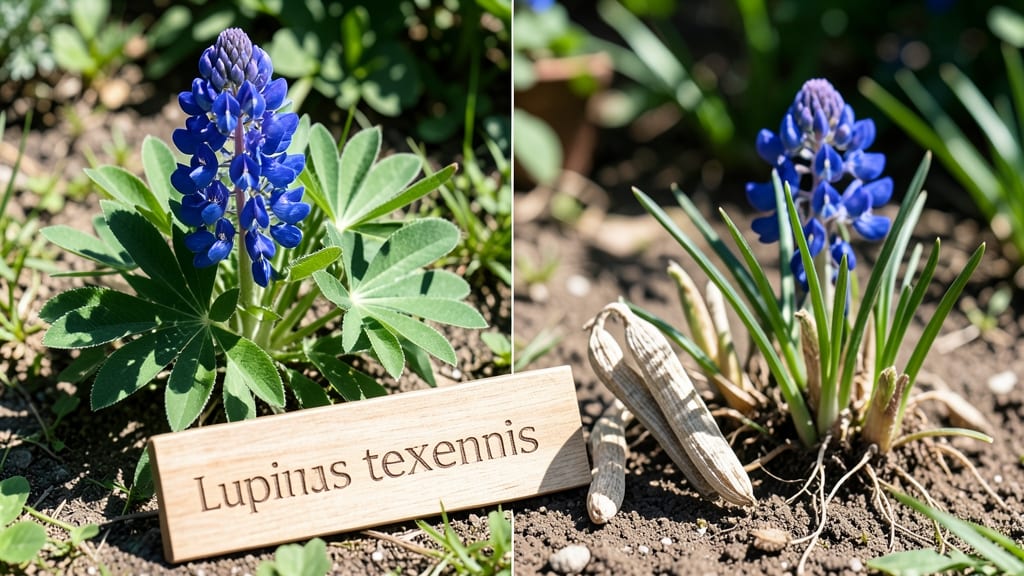
💥 Quick Answer Bluebonnets are perennials in Texas but often behave as annuals because their lifespan typically lasts only 2-3 years before declining from cold sensitivity and natural aging, unless replanted or…
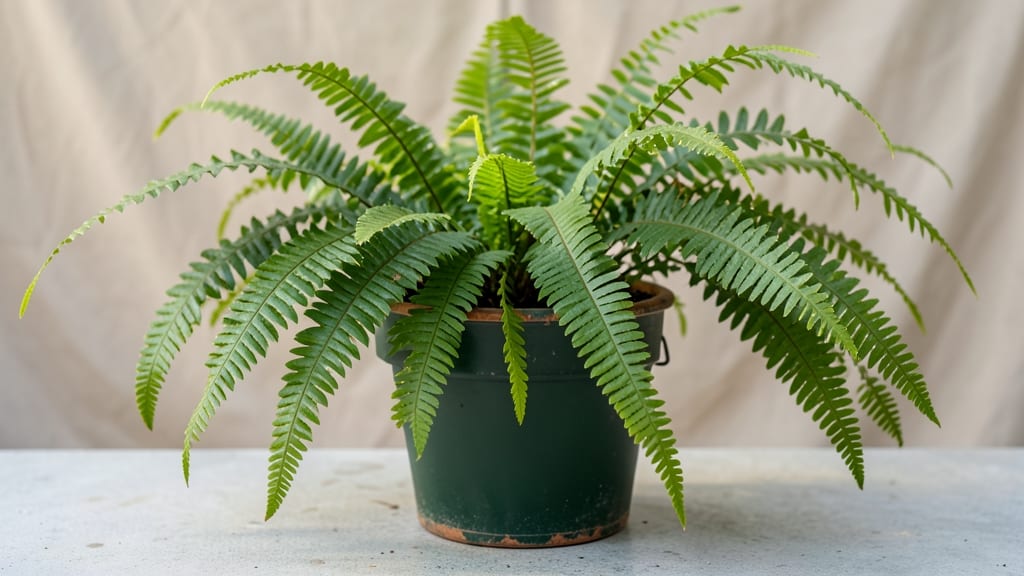
💥 Quick Answer Boston ferns qualify as perennials in USDA zones 8-11, where they maintain lush growth year-round with proper moisture and shade. In colder regions, their fronds die back seasonally but survive through…
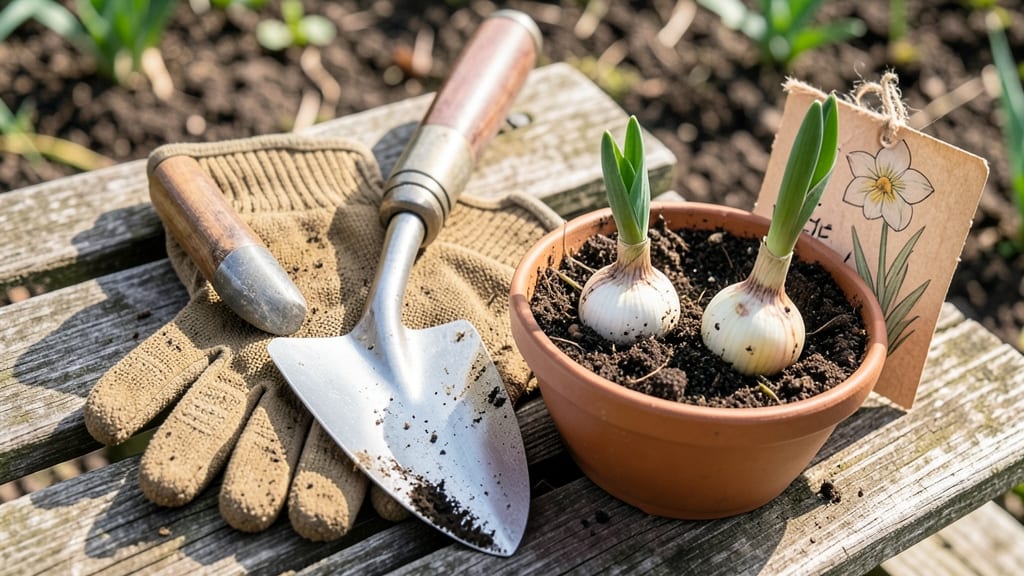
💥 Quick Answer Bulbs are not annual plants—they are perennial, regrowing each season from underground storage structures, though some like tulips often need replanting every few years due to their shorter natural…
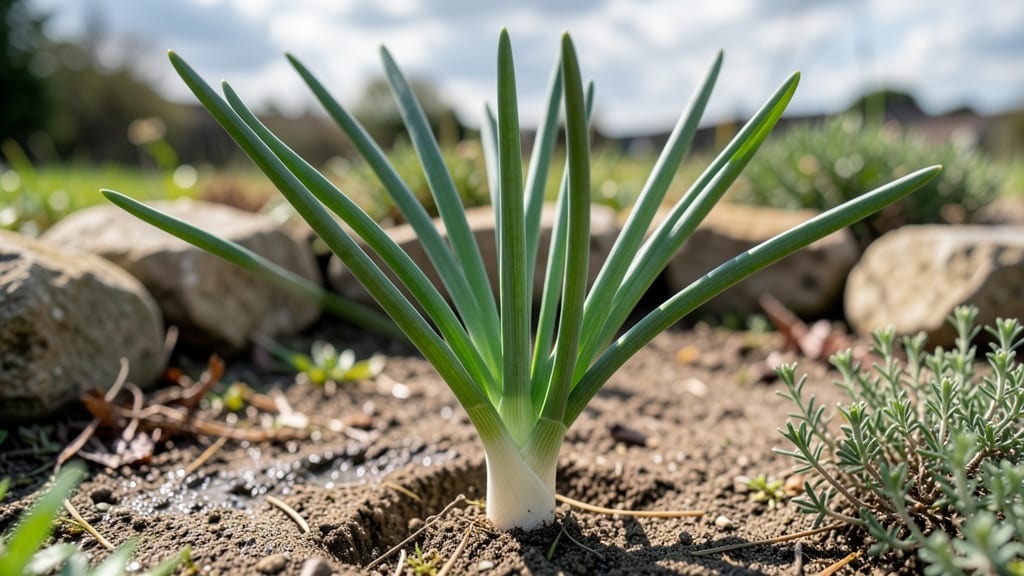
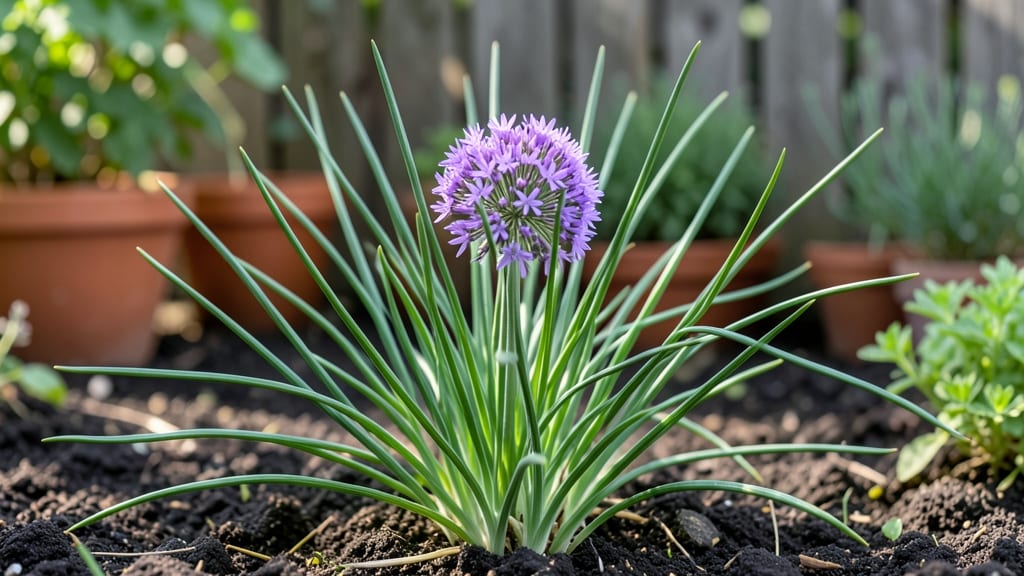
💥 Quick Answer Yes, bunching onions are perennial plants that regrow each year from their base when grown in suitable climates with proper care. These hardy vegetables thrive in USDA zones 3-10, though they may die back…
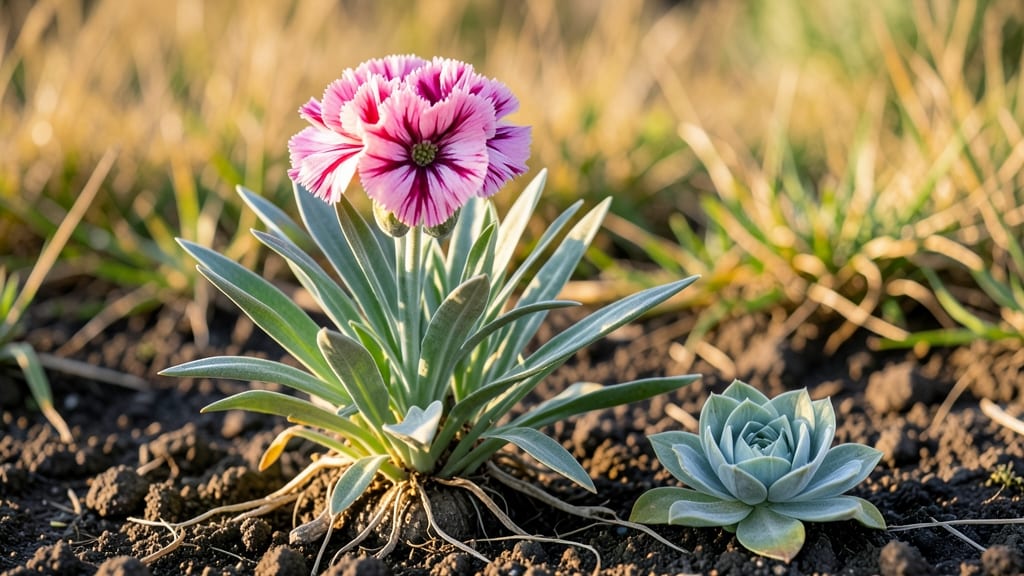
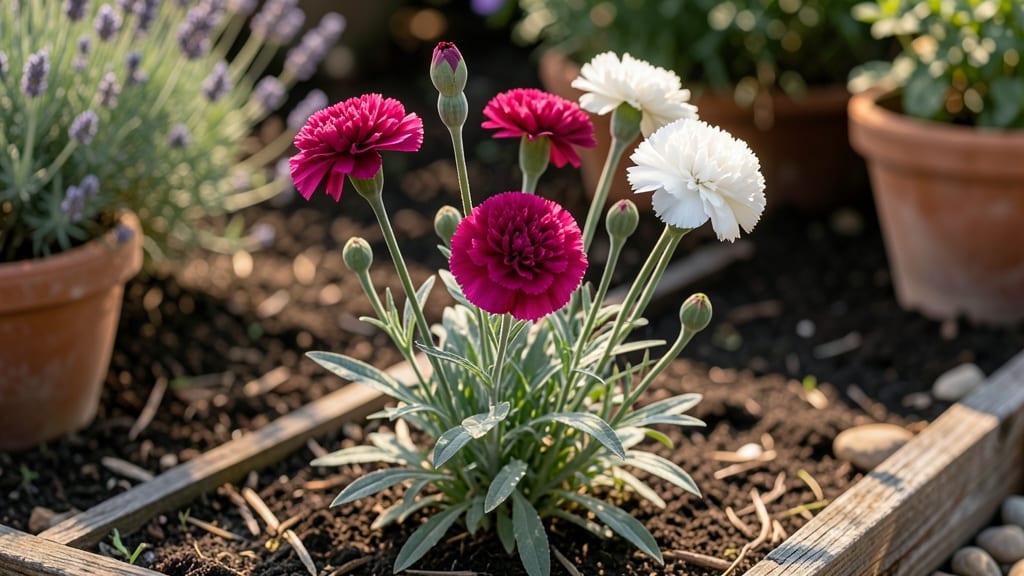
💥 Quick Answer Carnations behave as annuals in most climates because cold winters kill their foliage, but they're actually perennials in warmer zones (USDA 7-11), regrowing from their roots each spring with proper…
💥 Quick Answer Carnations aren't true perennials in most climates, but they behave like short-lived perennials in frost-free zones like USDA 8-10. In colder regions, they die back each winter but often regrow from roots…
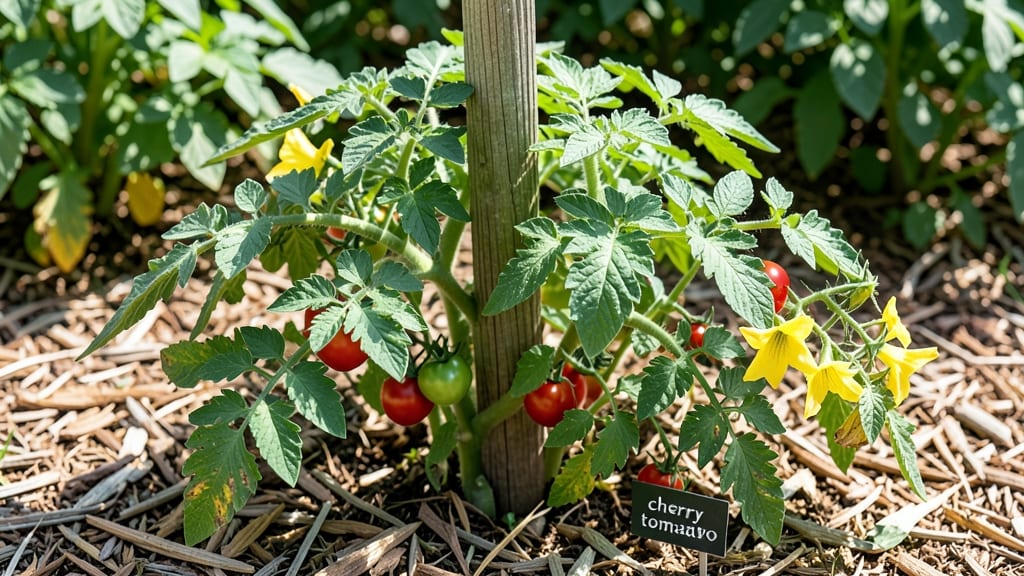
💥 Quick Answer Cherry tomatoes are not perennials in most climates, but their roots can regrow in warm regions with winter protection or when replanted yearly. In colder areas, they typically die back annually but…
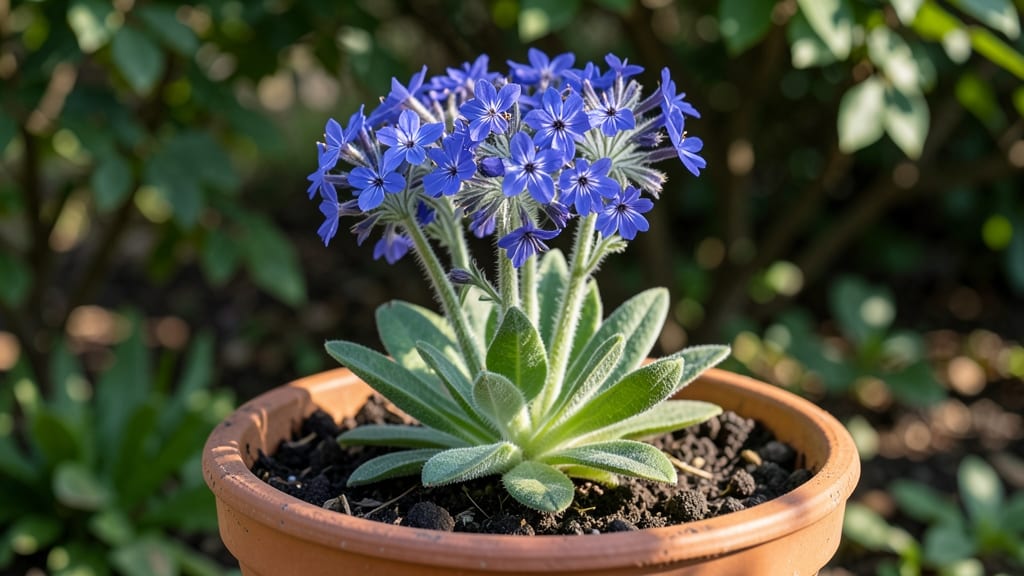
💥 Quick Answer Chinese forget-me-nots aren't true perennials—they act like annuals or short-lived perennials, often dying back completely in cold winters and rarely returning the following year. Their hardiness peaks in…
💥 Quick Answer Chives are perennial herbs that regrow annually from their root system, thriving for years with minimal care. Their cold-resistant nature lets them survive winter dormancy and bounce back strong each…
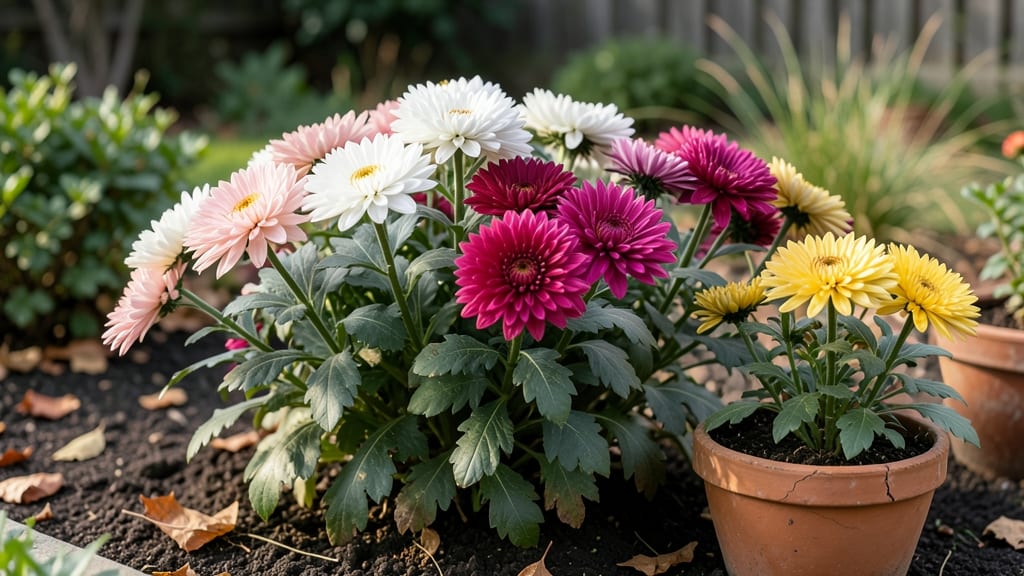
💥 Quick Answer Chrysanthemums are perennials in USDA hardiness zones 5-9, where they naturally return each year with proper care, though they may go dormant in winter before regrowing from their roots in spring. In…