
Vegetables
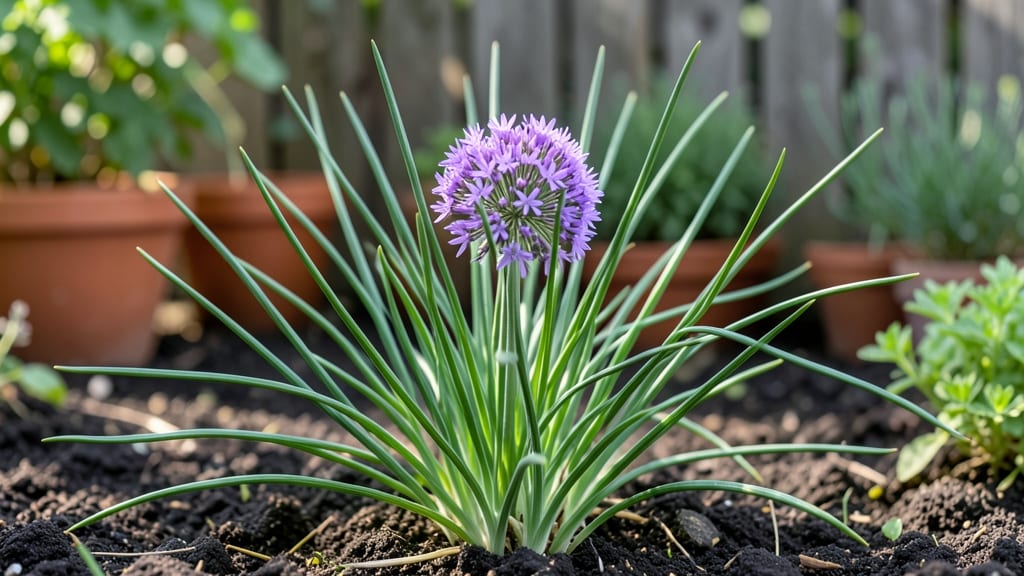
Chives are perennial herbs that regrow annually from their root system, thriving for years with minimal care. Their cold-resistant nature lets them survive winter dormancy and bounce back strong each spring, making them a gardener's favorite.
This hardy herb's secret lies in its deep, fibrous roots that store energy underground during winter months. 🌱 Unlike annual herbs that die back completely, chives simply enter a dormant state, conserving resources until temperatures rise.
I've seen chives return even after light frosts, though heavy snow cover can sometimes delay their spring emergence. The key to their longevity is consistent moisture during growing seasons and well-draining soil that prevents rot.
What makes chives particularly rewarding is how they reward patience—properly established clumps can produce fresh green shoots for 5+ years with just occasional division to prevent overcrowding. Unlike delicate annuals, they don't require replanting each season, making them perfect for both beginner and experienced gardeners.
💡 In This Article
- How Chives Survive Winter as Hardy Perennials
- Tips for Growing Chives Long-Term in Your Garden
How chives survive winter as hardy perennials
Chives belong to the Allium family—same as onions and garlic—and share their remarkable cold resistance. Their secret weapon is a thick, fibrous root system that extends 8-12 inches deep, allowing them to access moisture even when surface soil freezes.
This root structure stores carbohydrates during summer growth, fueling regrowth when temperatures rise. Most chives thrive in USDA Hardiness Zones 3-9, meaning they can survive winters as cold as -30°F with proper mulching.
The overwintering process begins when temperatures drop below 40°F. Chives enter dormancy, slowing metabolic processes to conserve energy. Their leaves yellow and die back, but the root crown remains alive underground, protected by a layer of insulating mulch.
In early spring, when soil temperatures reach 50°F, the roots send up new shoots within 2-3 weeks. This rapid regrowth happens because the roots have been storing energy all winter—like a natural battery system.
What's fascinating is how chives handle snow cover differently than other perennials. A 6-inch layer of snow actually provides insulation, maintaining stable ground temperatures. However, heavy snow can sometimes smother emerging shoots in late winter.
I've noticed that chives planted in slightly elevated beds (rather than low spots) recover faster because cold air settles in depressions. The key is balancing protection without creating waterlogged conditions that could rot the roots.
Light plays a crucial role too. Chives need 6-8 hours of sunlight daily to build energy reserves during summer months. Without adequate light, their root systems weaken, making them more vulnerable to winter dieback.
In my garden, I've seen chives in partial shade still survive winters but produce thinner, less vigorous regrowth compared to those in full sun. This is why location matters—choose spots where they get morning sun and afternoon shade if you're in hotter zones.
One common misconception is that all chives look identical after winter. Actually, there are two main types: common chives (Allium schoenoprasum) and garlic chives (Allium tuberosum). Garlic chives are slightly less cold-hardy, typically thriving in zones 5-9, while common chives handle zone 3 winters better.
The difference comes from their genetic adaptations—common chives have evolved deeper root systems for northern climates.
For gardeners in marginal zones (like zone 4), adding 3-4 inches of straw mulch after the first frost creates an insulating blanket that can raise soil temperatures by 5-10°F.
This simple technique has helped my chives survive winters where other perennials fail. The mulch also prevents soil heaving—a common problem in freeze-thaw cycles that can damage shallow roots.