I’ve been obsessed with plants since I was a kid, sneaking seeds from my mom’s garden to grow in old tin cans by the back porch. There’s something about watching something small turn into something alive that never gets old. This site is where I share the lessons I’ve learned—from the triumphs (that first tomato!) to the disasters (the time the squash vines took over the whole yard). I aim to make gardening approachable, whether you’re a beginner with a windowsill or a veteran with a full plot.
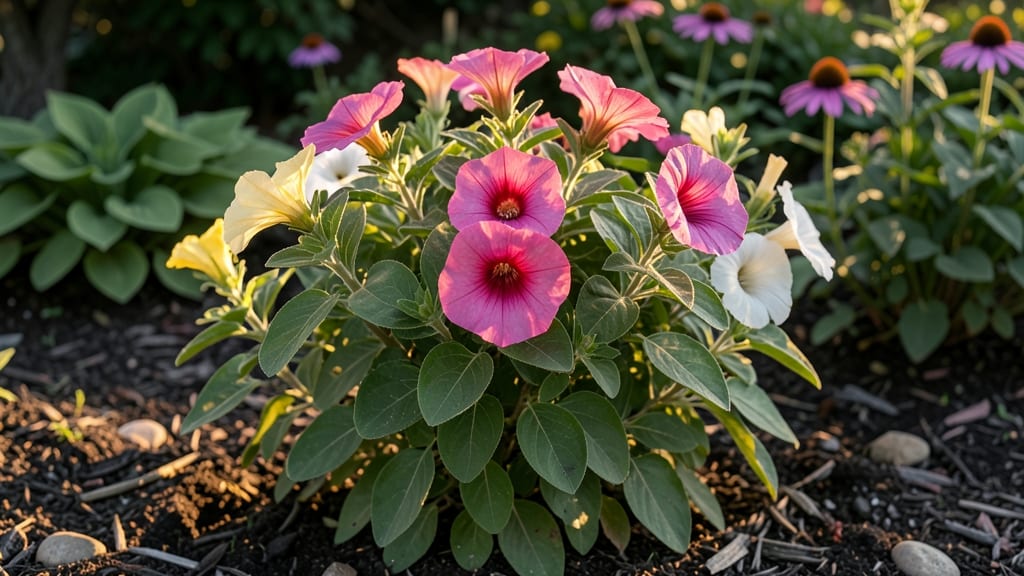
💥 Quick Answer Deciding whether the four o'clocks are perennials or annuals depends on your climate: they thrive as perennials in warm regions but are typically treated as annuals where frost kills their tubers. With…
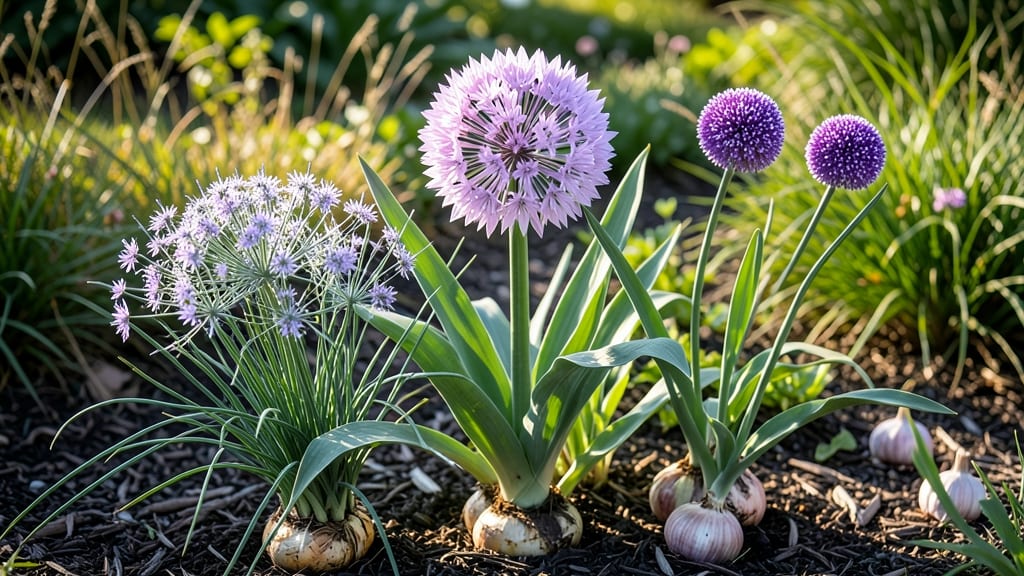
💥 Quick Answer Alliums are perennials in most climates, though they may die back completely after flowering, tricking gardeners into thinking they’re annuals. Their underground bulbs or rhizomes persist year-round…
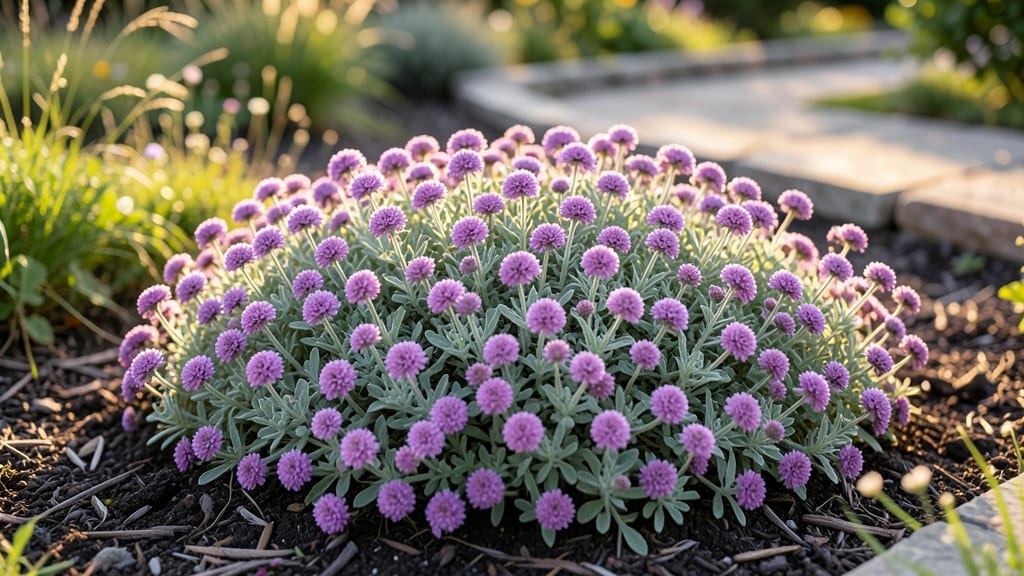
💥 Quick Answer Alyssum flowers are cold-hardy perennials that die back completely in winter but regrow vigorously each spring, demonstrating their adaptability to frost and seasonal changes. Alyssum's winter dieback…
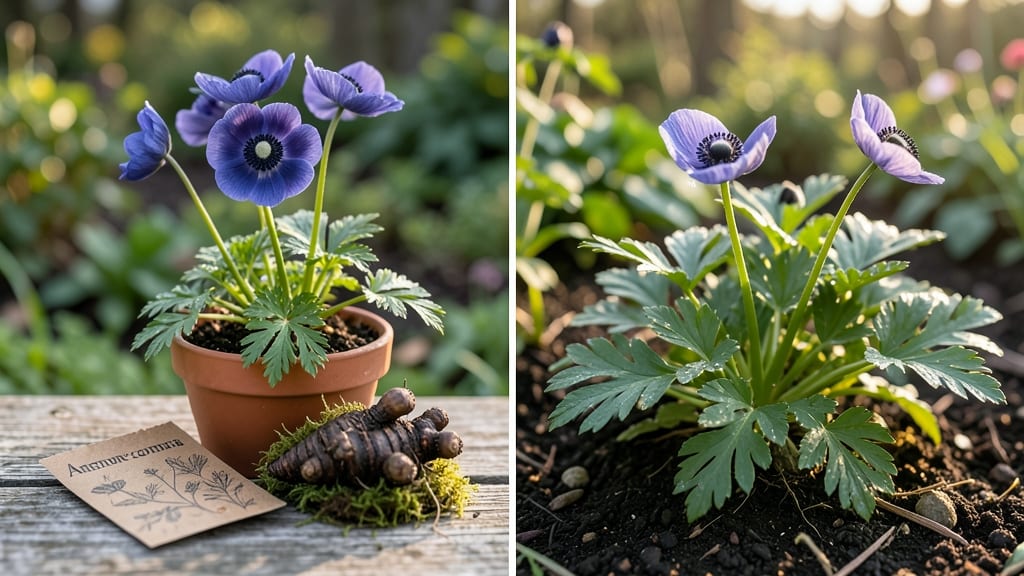
Deciding between anemone annuals or perennials feels like choosing between fireworks and a sunset—both stunning, but for different seasons. 🌸 Annuals burst with color for one season, while perennials reward you with…
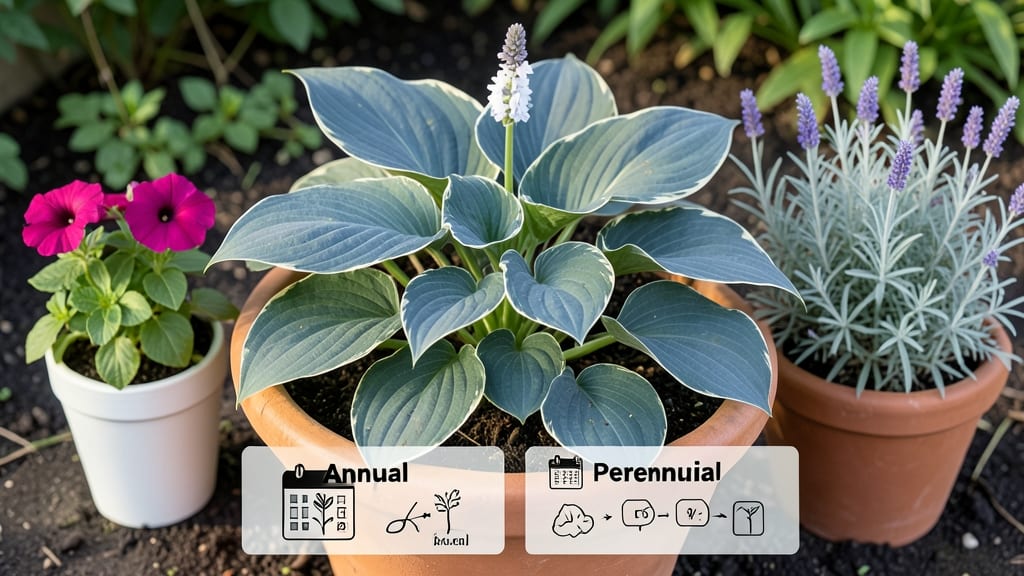
💥 Quick Answer The key annual vs perennial difference is that annual plants live and bloom for just one growing season, while perennials return year after year from the same root system, enduring winter dormancy. This…
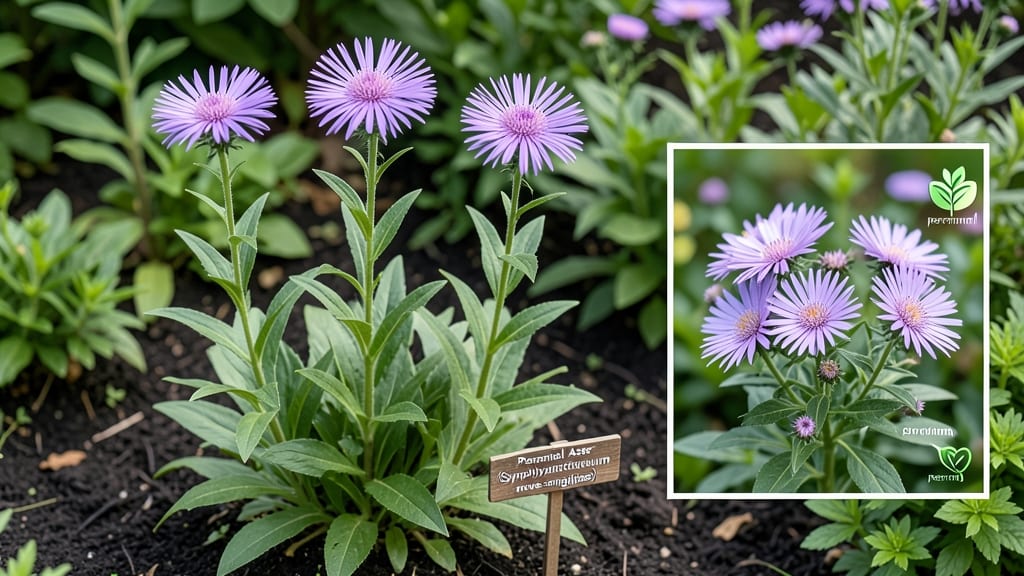
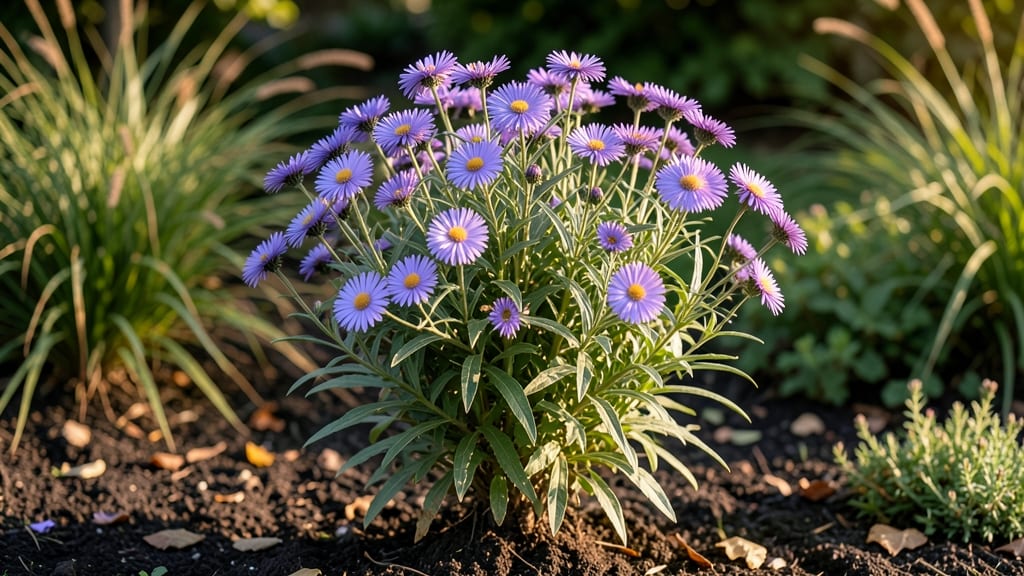
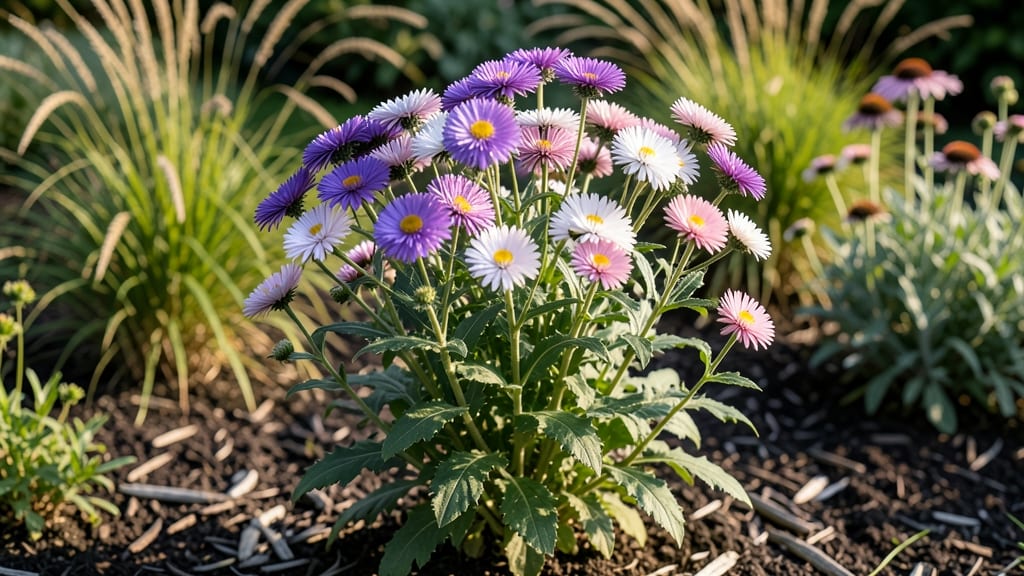
💥 Quick Answer Not all asters are perennials—while many aster varieties thrive year after year in USDA zones 3-8, others like Callistephus chinensis (China aster) must be replanted annually. Perennial types such as New…
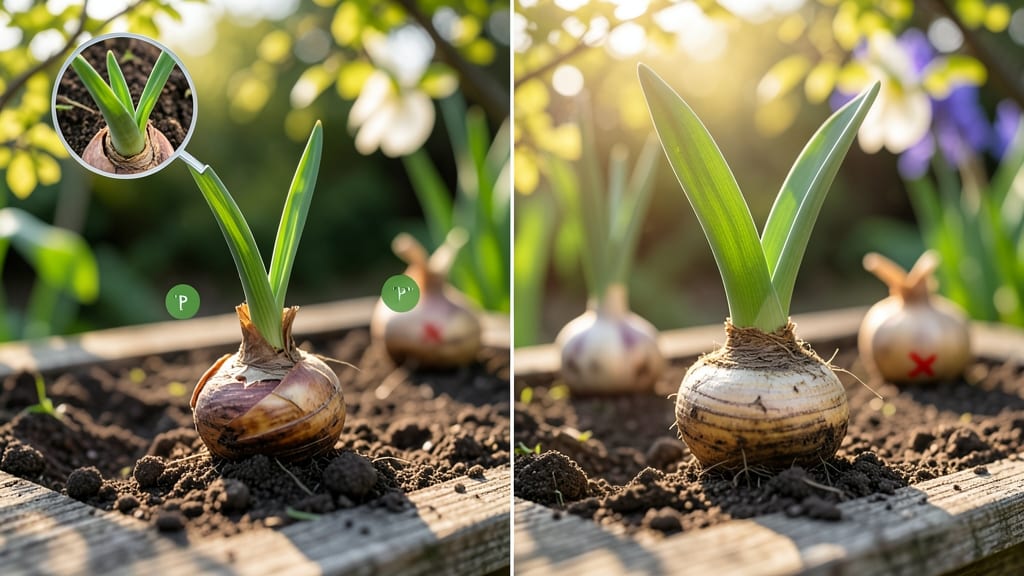
💥 Quick Answer Not all bulbs are perennials—some like tulips and daffodils return each year after dying back, while others such as onions or garlic complete their life cycle in just one or two seasons. True perennial…
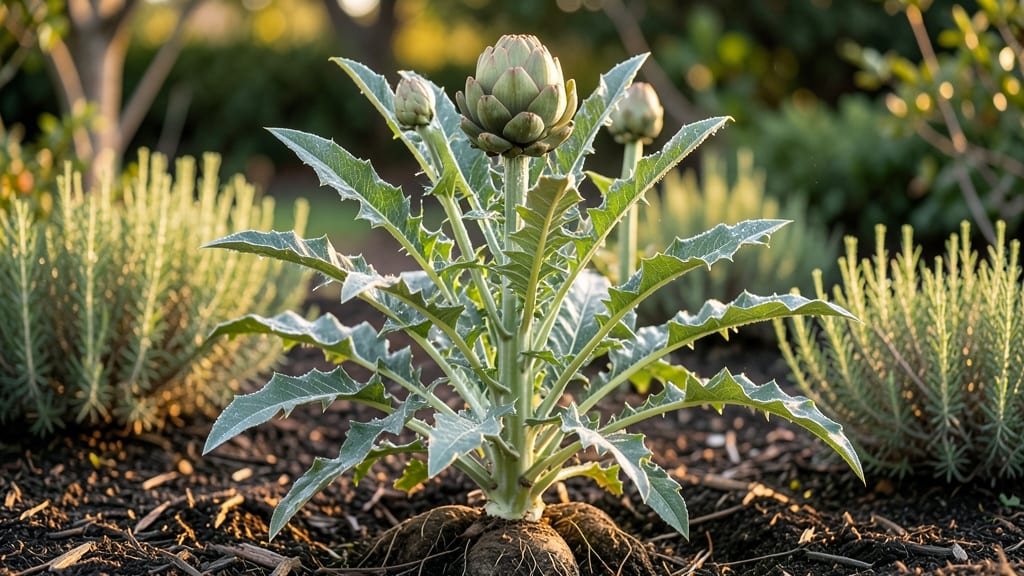
💥 Quick Answer Artichokes are perennial plants in warm climates but often treated as annuals in colder regions due to frost sensitivity. Their lifespan extends beyond one season if protected from freezing temperatures…
💥 Quick Answer Asters in Zone 6 are indeed perennials, but they go dormant in winter, losing their foliage before regrowing from deep roots each spring. Most varieties thrive for 3-5 years before needing division to…
💥 Quick Answer Asters are perennials in most U.S. growing zones (3–9), thriving year after year with consistent care, though some varieties may die back during harsh winters or prolonged drought. Their long-term…