
Plants
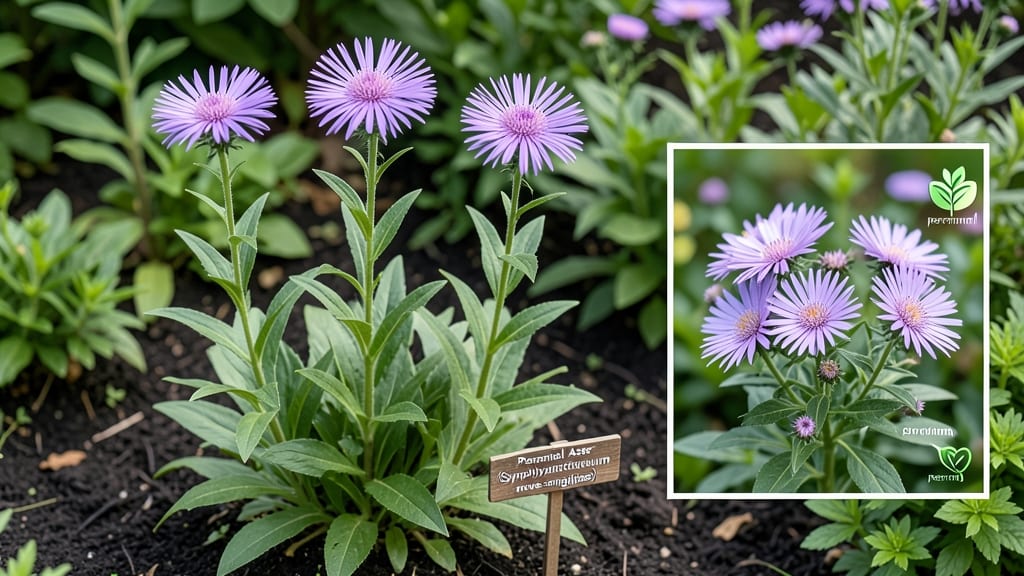
Not all asters are perennials—while many aster varieties thrive year after year in USDA zones 3-8, others like Callistephus chinensis (China aster) must be replanted annually. Perennial types such as New England aster (Symphyotrichum novae-angliae) return reliably, but annuals offer vibrant seasonal color without long-term commitment.
When you're planning your garden, knowing whether your asters will come back depends on their type and your climate zone. 🌱 Perennial asters develop deep root systems that store nutrients, allowing them to survive winter dormancy and regrow in spring.
In contrast, annual asters complete their life cycle in one season, dying off after flowering. For example, the New England aster (Symphyotrichum novae-angliae) thrives in zones 3-8, while China aster (Callistephus chinensis) needs replanting each year but blooms prolifically from summer to frost.
The key difference lies in their growth habits—perennials invest energy in roots, while annuals focus on rapid flowering.
💡 In This Article
- How Perennial Asters Survive Winter: Root Systems and Cold Tolerance
- Annual vs Perennial Asters: Best Varieties for Year-Round Color
How perennial asters survive winter: root systems and cold tolerance
Perennial asters like Symphyotrichum novae-angliae (New England aster) survive harsh winters thanks to their deep, fibrous root systems that extend 2-3 feet underground. These roots store carbohydrates produced during summer growth, acting like a natural energy reserve.
When temperatures drop below 20°F, the plant enters dormancy, shutting down aboveground growth while roots remain active—this process is called cold acclimation.
The key to their cold tolerance lies in their ability to produce antifreeze proteins, which prevent ice crystals from forming in their cells.
This mechanism allows them to withstand temperatures as low as -30°F in protected microclimates. 🌡️ Unlike annuals, which have shallow roots (6-12 inches deep), perennials can access deeper moisture and nutrients, giving them a survival advantage in dry winters. The trade-off?
Their slower growth rate compared to annuals that prioritize rapid flowering.
USDA zones 3-8 provide ideal conditions for most perennial asters because these regions experience cold winters but not extreme freeze-thaw cycles that can damage roots. For example, Aster lateriflorus (calico aster) thrives in zone 4, while Aster amellus (European aster) extends to zone 5.
The deeper the root system, the better the plant handles soil temperature fluctuations—critical when ground temps can drop 10-15°F colder than air temperatures.
Annual asters, on the other hand, lack this root infrastructure. Their energy goes into producing seeds quickly rather than building storage reserves. When frost hits, their entire structure dies back—no dormant buds remain to regrow.
This is why you'll see annuals like Callistephus chinensis blooming vigorously for 3-4 months but disappearing entirely by winter. 🌱 The contrast highlights nature's growth strategies: perennials play the long game, while annuals maximize seasonal impact.
One fascinating adaptation is how perennial asters time their dormancy. They begin storing carbohydrates in late summer, peaking by October when days shorten. This stored energy fuels early spring regrowth before new leaves can photosynthesize. Annuals, meanwhile, never develop this capability—their entire life cycle depends on current-year resources.