
Size
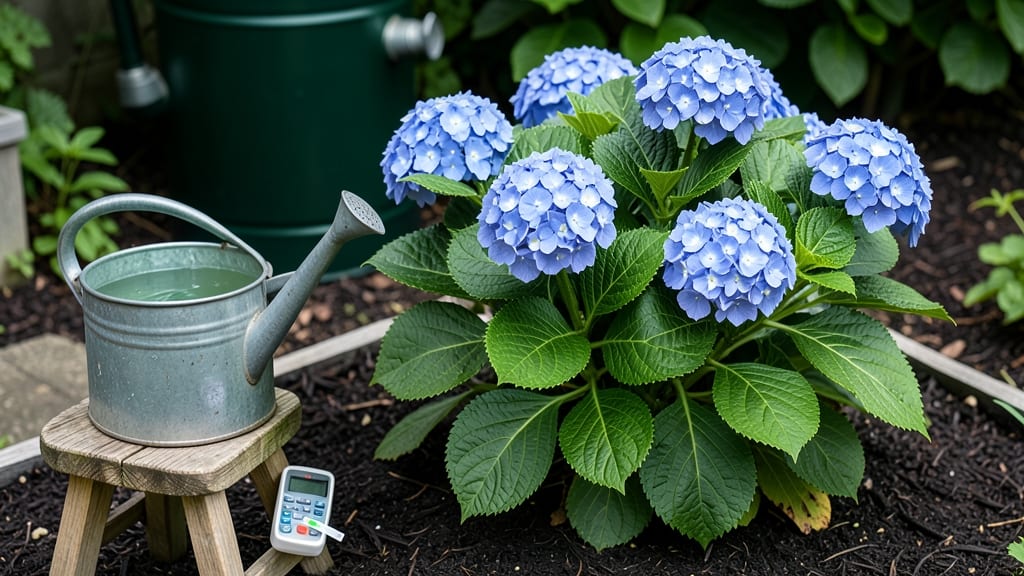
Hydrangeas watered with rainwater can maintain a vibrant blue color by lowering soil pH naturally, which boosts anthocyanin production—the compound that creates those striking blue hues—while avoiding the color-dulling effects of alkaline tap water.
Rainwater's natural acidity (around pH 5.6) creates the perfect environment for blue hydrangeas to thrive. 🌧️ Unlike tap water, which often contains minerals that raise soil pH, rainwater mimics the acidic conditions these plants love, keeping their pigments vivid.
I've noticed the biggest difference when using rainwater collected in clean barrels—just make sure to avoid collecting from roofs treated with copper or other metals that could contaminate the water.
For gardeners who don't have access to rainwater, you can replicate these conditions by adding a bit of lemon juice or vinegar to your watering can (about 1 tablespoon per gallon).
This small adjustment can make a noticeable difference in bloom color over time. The key is consistency—hydrangeas respond best to stable, slightly acidic conditions throughout their growing season.
💡 In This Article
- How Rainwater’s pH Boosts Hydrangea Blue Pigments
- Rainwater Collection Tips for Blue Hydrangeas
How rainwater’s pH boosts hydrangea blue pigments
The secret behind rainwater's magic for blue hydrangeas lies in its natural acidity. Rainwater typically falls between pH 5.6 and 6.0, creating the perfect acidic environment that hydrangeas crave. This acidity directly influences the production of anthocyanins, the water-soluble pigments responsible for those stunning blue hues.
When soil pH drops below 6.0, these pigments become more abundant, intensifying the blue color. 🌧️
Compare this to tap water, which often has a pH between 7.0 and 8.5 due to mineral content like calcium and magnesium. These alkaline minerals raise soil pH over time, reducing anthocyanin production and causing blooms to shift toward pink or purple.
In my garden, I've seen hydrangeas watered with tap water develop dull, muted colors by mid-summer, while those receiving rainwater maintain their vibrant blue throughout the season. The difference is particularly noticeable in Hydrangea macrophylla varieties like 'Nikko Blue' and 'Endless Summer'.
The science gets even more interesting when you consider how aluminum availability plays a role. Acidic conditions increase aluminum solubility in the soil, and this aluminum acts as a co-factor that stabilizes anthocyanin production. Most tap water contains aluminum inhibitors that prevent this process.
When you water with rainwater, you're essentially providing both the right pH AND the necessary aluminum for optimal pigment development. This dual benefit explains why rainwater consistently produces more vibrant blue blooms.
Consistency matters too—hydrangeas respond best to stable acidity levels. A sudden spike in pH from tap water can disrupt the plant's metabolic processes, causing stress that manifests as color fading. I've found that maintaining soil pH between 5.0 and 5.5 yields the most intense blue colors.
To achieve this with rainwater, you might need to supplement with organic matter like peat moss or pine needles, which naturally acidify the soil over time.
There's also a seasonal consideration: rainwater collected in spring and summer typically has slightly lower pH due to higher atmospheric carbon dioxide levels. This makes it particularly effective during peak blooming season (June-August).
However, winter rainwater can be more acidic due to dissolved pollutants, so it's wise to test your collected rainwater periodically using a simple pH test kit (available for under $15). Aim for readings between 5.0 and 6.0 for optimal results.
What most gardeners don't realize is that this pH effect works at the cellular level. Anthocyanins are produced in the plant's vacuoles, and their accumulation is directly regulated by the acidity of the surrounding environment.
When soil pH is ideal, these pigments aren't just more abundant—they're also more stable, resisting degradation from sunlight and temperature fluctuations. This cellular-level stability is what keeps those blue blooms looking fresh for weeks longer than hydrangeas watered with tap water. 💫