
Light Requirements
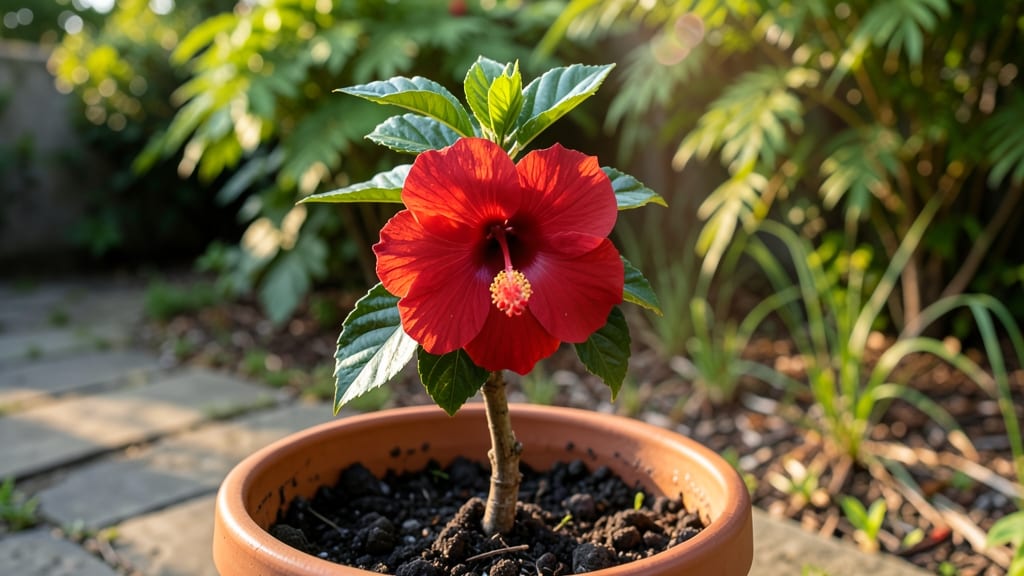
Full-sun potted perennials that thrive year after year? 🌿 I've tested dozens of varieties, and these sun-loving plants deliver bold color, texture, and resilience with almost no care once established. The secret lies in matching their natural habitat with the right container, soil, and a few smart companion plants.
Think lavender with its silvery foliage and lavender-blue spikes, sedum that turns fiery red in fall, or ornamental grasses that sway in the breeze. These plants handle heat, drought, and even occasional neglect better than most annuals.
Pair them with a drought-tolerant annual like salvia or a contrasting foliage plant like purple fountain grass for instant curb appeal.
You'll end up with containers that look stunning from spring through fall, then overwinter to return bigger and better next season. The best part? No deadheading, no replanting, and no wilting in the afternoon heat. These perennials just keep coming back, year after year.
Perfect for balconies, patios, or small urban spaces where you want lasting color without the annual replanting hassle. Let's create a sun-soaked display that requires almost no summer maintenance.
📚 In This Guide
- What you need
- Instructions
- Tips and common mistakes
- Wrapping up and next steps
What you need
- ● Containers: At least 2-5 large pots (12-18" in diameter) with drainage holes. Opt for terracotta, ceramic, or fiberglass for durability and heat retention.
- ● Potting Soil: 1-2 bags (1-2 cubic feet each) of high-quality well-draining potting mix (avoid garden soil—it compacts!). Mix in perlite or sand (20-30%) for extra aeration.
- ● Perennial Plants: Choose 3-5 full-sun perennials like lavender, sedum, black-eyed Susans, or Russian sage. Pick dwarf varieties for smaller pots.
- ● Drainage Layer: 1-2 inches of gravel, pebbles, or broken pottery per pot to prevent root rot.
- ● Fertilizer: Slow-release granular fertilizer (10-10-10 or 20-20-20) or organic options like composted manure (follow package rates).
- ● Mulch: Pebbles or bark chips to retain moisture and regulate soil temp.
- ● Self-watering system: A wicking bed kit or drip irrigation for low-maintenance hydration.
- ● Plant supports: Stakes or cages for taller perennials like coneflowers or bee balm.
- ● Soil moisture meter: To check water levels before overwatering.
- ● Decorative elements: Gravel, moss, or painted pots to elevate your setup!
How to select and care for perennial potted plants in full sun
Here's how to choose and maintain sun-loving perennials that will reward you with vibrant blooms year after year.
🌿 Step 1: Choose the Right Perennial Varieties for Pots
Select drought-tolerant perennials like lavender, sedum, or Russian sage—these thrive in full sun (6+ hours daily) and need minimal water once established. Avoid moisture-loving plants like hostas or ferns; they'll wilt in pots without constant hydration. I always check the mature plant size to ensure it fits the container—nothing worse than a sedum bursting out of a 6-inch pot by summer.
For 4 containers, choose plants that complement each other in height and bloom time. Pair a tall 3-foot Russian sage with a 18-inch lavender and a 12-inch sedum for visual balance. Check the label for "perennial" status—annuals will die back after one season, leaving you starting over. Containers dry out faster than garden beds, so prioritize plants with deep root systems that store moisture.
☀️ Step 2: Select Containers and Soil for Optimal Drainage
Use terracotta or fabric pots (12-18 inches deep) with drainage holes—these materials breathe and prevent root rot in intense sun. I avoid plastic because it traps heat and can scorch roots. Place a 2-inch layer of gravel or expanded clay pebbles at the bottom of each pot to improve drainage further. The soil mix should be 60% potting soil, 30% perlite, and 10% compost—this ensures air pockets while retaining enough moisture.
Fill containers to 1 inch below the rim to prevent overflow when watering. Press the soil gently but don't compact it—you want roots to spread freely. For 4 containers, use 3 gallons of soil mix per pot (12 gallons total). Mulch the surface with ½ inch of decorative gravel to reduce evaporation and keep roots cool. This step prevents the number-one killer of potted perennials: root suffocation from poor drainage.
💧 Step 3: Water Deeply and Establish a Routine
Water each container until water runs freely from the drainage holes—this ensures roots get moisture throughout the soil. I water in the early morning (6-8 AM) to let foliage dry before evening, reducing fungal risks. For 4 containers, expect to use 1 gallon per watering session (4 gallons total) during hot spells. After the first month, you'll notice plants develop deeper roots and need watering only when the top 2 inches of soil feel dry.
Fertilize lightly with a balanced 10-10-10 granular fertilizer at planting and again in early summer. Over-fertilizing burns roots in full sun—stick to ½ teaspoon per container mixed into the top inch of soil. Watch for wilting in peak summer heat; if leaves feel crispy, move containers to a shadier spot (3-4 hours of sun) for a few days to recover. This adjustment saves many plants from permanent damage.
✂️ Step 4: Prune for Health and Seasonal Renewal
Deadhead spent blooms regularly to encourage continuous flowering—this is especially critical for sedum and lavender. Use clean, sharp pruners and cut back to the nearest leaf node. I prune Russian sage back by ⅓ in early spring to promote bushier growth. Avoid cutting into old wood, as these perennials bloom on previous year's growth. For 4 containers, a 5-minute pruning session weekly keeps plants tidy and flowering prolifically.
In late fall, cut back all foliage to 2-3 inches above the soil line to protect roots from winter cold. Remove any dead or diseased stems immediately—this prevents pests from overwintering in your pots. I always sterilize my pruners with rubbing alcohol between cuts to avoid spreading pathogens. With proper pruning, your perennials will return stronger each year, proving that full-sun containers aren't high-maintenance—they're just different.
🪴 Step 5: Overwinter and Refresh for Next Season
Move containers to a protected spot (sheltered from wind but still sunny) if winter temps drop below 20°F. Group pots together to create a microclimate that retains warmth. Wrap the pots in burlap or frost cloth if nights dip below freezing—this prevents soil from freezing solid. I never use plastic wraps, as they trap moisture and promote rot. Check soil moisture monthly during winter; water lightly only if the soil feels bone-dry.
In early spring, refresh the soil by removing the top 2 inches of old mix and replacing it with fresh potting soil. This removes salt buildup from winter fertilizers and replenishes nutrients. Divide congested plants like lavender every 3-4 years to prevent overcrowding. You'll know it's time when new shoots emerge from the base—gently separate these and replant in fresh containers. This simple step rejuvenates plants and keeps them blooming vigorously for years.
Tips & tricks for perfect perennial potted plants in full sun
Here's what nobody tells you about keeping your sun-loving perennials thriving in containers with minimal fuss.
Plant Selection: Focus on drought-tolerant varieties like Russian sage or sedum—they're the workhorses of full-sun pots. I've learned the hard way that lavender needs excellent drainage, so always check the label for specific care requirements. The key is matching plant needs to container size: a 6-inch pot will never support a mature sedum's root system. For that 3-foot Russian sage, plan for a 12-inch minimum container depth to accommodate its extensive roots.
Container Strategy: Terracotta pots are my go-to for full-sun perennials because they wick away excess moisture and prevent root rot. The 2-inch gravel layer at the bottom isn't just about drainage—it creates crucial air pockets that prevent soil compaction. I've seen plants thrive in fabric pots too, but avoid plastic at all costs: it traps heat and can scorch delicate roots during those scorching afternoon sun sessions.
Watering Wisdom: The early morning watering routine (6-8 AM) is non-negotiable—it gives foliage time to dry before evening, which drastically reduces fungal diseases. I've ruined too many pots by watering in the evening, so trust me on this. For those 4 containers, keep a watering can with a long spout handy; you'll need to water until it runs freely from the drainage holes. After the first month, you'll notice your plants develop deeper roots and become more drought-tolerant.
Seasonal Adjustments: When summer heat hits and leaves start feeling crispy, move containers to a shadier spot for 3-4 hours of relief. This simple adjustment has saved many of my plants from permanent damage. In fall, that 2-3 inch pruning back creates a neat base for winter protection while preventing pests from overwintering in your pots. I always sterilize my pruners with rubbing alcohol between cuts—it's a small step that prevents pathogen spread.
Pro Tips for Perennial Potted Plants Full Sun
- Here's what nobody tells you about keeping your sun-loving perennials thriving in containers with minimal fuss.
- Plant Selection: Focus on drought-tolerant varieties like Russian sage or sedum—they're the workhorses of full-sun po...
- Container Strategy: Terracotta pots are my go-to for full-sun perennials because they wick away excess moisture and p...
Frequently asked questions
Which perennials actually thrive in full sun without wilting?
Look for sun-loving stars like lavender, sedum, black-eyed Susan, and Russian sage. These tough plants handle heat and drought once established. Avoid moisture-lovers like hostas or heucheras—they’ll crisp in direct sun. Pro tip: Check your plant’s tag for light needs!
How often should I water potted perennials in full sun?
Water deeply 2-3 times per week in summer (or daily in extreme heat). Potted plants dry out faster than in-ground ones—stick your finger 1-2 inches into soil. If it’s dry, water until it drains from the bottom. Mulch helps retain moisture!
Why are my leaves turning brown or crispy?
Brown edges? Overwatering or poor drainage are likely culprits. Yellowing? Too much shade or underwatering. Full sun = heat stress—move pots to partial shade midday if needed. Prune damaged leaves to encourage new growth.
Can I keep these plants in pots year-round?
Most perennials need winter protection. Move pots to a sheltered spot (like a garage or under eaves) or wrap them in burlap. Avoid freezing temps—root damage can kill plants. Drainage holes are a must to prevent winter rot!
What’s the best soil mix for full-sun perennials in pots?
Use a well-draining mix: 60% potting soil, 30% perlite or sand, and 10% compost. Avoid heavy garden soil—it compacts and bakes in sun. Add slow-release fertilizer at planting for a nutrient boost.
Wrapping up and next steps
Choosing perennial potted plants for full sun doesn’t have to be complicated—it’s all about picking the right varieties and giving them a little TLC! 🌞 From hardy succulents to vibrant lavender, these low-maintenance beauties will reward you with season-after-season color and resilience.
Whether you’re a busy gardener or a beginner, these sun-loving stars thrive with minimal fuss.
Ready to transform your space? Start small: Pick one plant from this list, grab a pot, and let nature do the rest! 🌱 Soon, you’ll be basking in blooms that outshine even the sunniest days.