
Planting
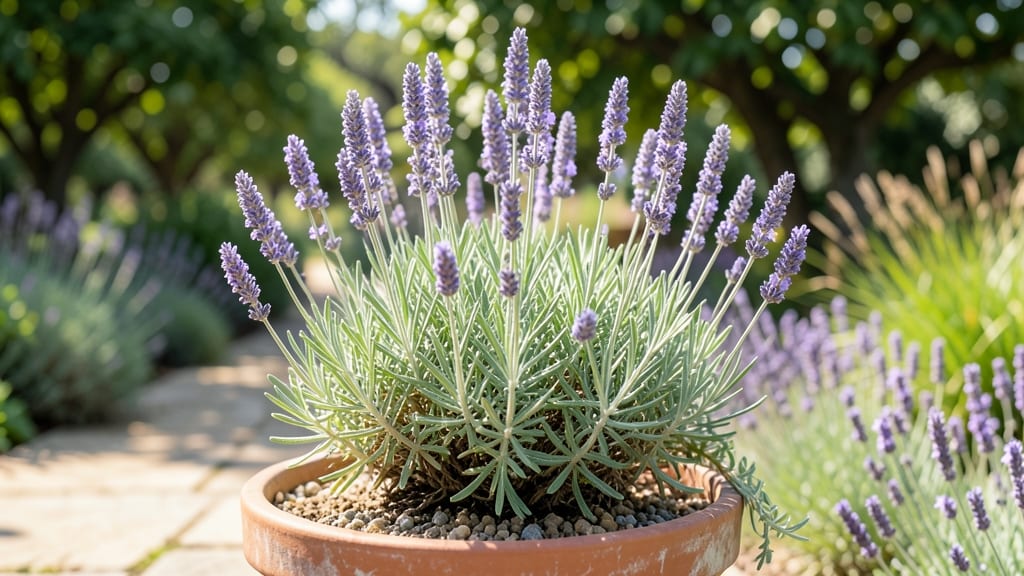
Fragrant perennials in Zone 5 don’t just survive—they perfume your garden from spring through fall. 🌸 I’ve learned the hard way that the right placement turns a pretty border into a sensory experience: lavender by the patio, peonies near the front door, and phlox along the fence where the breeze carries their scent into the house.
The secret isn’t just choosing hardy plants—it’s pairing them with companions that amplify fragrance. Plant Russian sage near catmint to create a summer-long aromatic cloud, or tuck sweet woodruff under roses for a springtime carpet of vanilla-scented leaves.
Even in Zone 5’s short growing season, these combos ensure your garden never loses its perfume. By mid-June, your garden will hum with bees while filling the air with juniper-like lavender, honeyed peony, and citrusy phlox—all thriving through winter’s chill.
The key is morning sun for most and well-drained soil to prevent mildew, which can dull those intoxicating notes. For small spaces, try containers with dwarf lavender and mint—just keep them near seating areas.
And if you love evening strolls, evening primrose and four-o’clocks (yes, they’re technically annuals) extend the fragrance party into twilight. Your garden will smell like a botanical spa without the price tag.
📚 In This Guide
- What you need
- Instructions
- Tips and common mistakes
- Wrapping up and next steps
What you need
- ● Fragrant perennials (Zone 5 hardy varieties): 5–10 plants of Lavender (e.g., 'Munstead' or 'Grosso')
- ● 3–5 plants of Russian Sage (Perovskia atriplicifolia)
- ● 3–5 plants of Peony (e.g., 'Sarah Bernhardt' or 'Bowl of Beauty')
- ● 3–5 plants of Catmint (Nepeta, e.g., 'Walker’s Low')
- ● 3–5 plants of Dianthus (e.g., 'Firewitch' or 'Matrona')
- ● Garden tools: 1 trowel (stainless steel or ergonomic)
- ● 1 pair of pruning shears (bypass-style)
- ● 1 garden fork (for amending soil)
- ● 1 wheelbarrow or bucket (5-gallon capacity)
- ● 1 hose with adjustable nozzle or watering can
- ● Soil amendments: 5–10 lbs of compost (well-aged, organic)
- ● 2–3 lbs of perlite or coarse sand (for drainage)
- ● 1 lb of slow-release fertilizer (10-10-10 or similar)
- ● Mulch: 2–3 bags of organic mulch (e.g., shredded bark or straw)
- ● Garden markers: Stakes or flags to label plants (e.g., 6–10 markers)
- ● Gloves: Heavy-duty gardening gloves (for thorny plants like roses or peonies)
- ● Edging tools: For clean garden beds (e.g., half-moon edger)
- ● Fragrance-enhancing companions: 1–2 Rosemary bushes (drought-tolerant, aromatic)
- ● 1 Thyme ground cover (spreading variety)
- ● Decorative accents: Garden stakes or trellises (for climbing varieties like Clematis)
- ● Solar-powered garden lights (to highlight fragrant evening bloomers)
Instructions for planting fragrant perennials in Zone 5
Here's how to establish cold-hardy, fragrant perennials that return stronger each season.
🌱 Step 1: Select and Prepare Planting Sites
Choose locations with 6+ hours of sunlight daily—most fragrant perennials like lavender, Russian sage, and peonies thrive in full sun. Test soil drainage by digging a 12-inch deep hole and filling it with water; if it drains within 4 hours, the site is suitable. Amend heavy clay soil with 2-3 inches of compost mixed into the top 6 inches of soil to improve aeration and microbial activity.
Fragrant perennials often have shallow roots, so avoid areas where water pools after rain. If your soil is sandy, work in 1 inch of organic matter like leaf mold to retain moisture without suffocating roots. I always plant mine where evening breezes carry their scent toward seating areas—this ensures you'll enjoy the fragrance most.
🌿 Step 2: Plant at the Right Depth and Spacing
Dig holes twice as wide as the root ball but only as deep as the container's base. This prevents burying the crown, which causes rot in damp winters. Gently loosen the roots of container-grown plants before placing them in the hole—this encourages outward growth rather than circling roots. Space plants according to mature size: 18-24 inches apart for compact varieties like catmint, 3-4 feet apart for large shrubs like butterfly bush.
Fill the hole with native soil, pressing lightly to eliminate air pockets. Water deeply to settle the soil around roots, then add a 2-inch layer of mulch (avoid wood chips near lavender—they acidify soil). The mulch should cover only the soil, not the plant stems. You'll know spacing is correct when plants have room to grow without competing for nutrients.
☀️ Step 3: Establish Watering Routines for First Season
Water newly planted perennials deeply every 3-4 days until they're established, which takes about 4-6 weeks. The goal is to encourage deep root growth—not surface moisture. Check moisture by sticking your finger 2 inches into the soil**; if it feels dry, water again. Overwatering in Zone 5's humid summers leads to fungal diseases like powdery mildew, which can ruin foliage.
I set a timer to remind myself—most fragrant perennials wilt slightly when thirsty but bounce back quickly after a deep drink. Once established, most only need supplemental water during prolonged dry spells. The key is consistency: too much water creates soggy soil, while too little stresses plants during their critical first year.
✂️ Step 4: Prune Strategically for Winter Hardiness
Cut back dead foliage in late fall after the first hard frost, but leave 3-4 inches of stems on perennials like coneflowers and bee balm. This protects the crown from freezing and provides insulation. For woody perennials like Russian sage, prune in early spring before new growth begins—never prune in fall, as this invites disease. I always clean my pruners with rubbing alcohol between cuts to prevent spreading pathogens.
Remove any diseased or pest-infested stems immediately. Fragrant perennials attract beneficial insects, but aphids and spider mites can still become problems. A strong jet of water from the hose often dislodges pests without chemicals. In Zone 5, a 3-inch layer of mulch around the base helps regulate soil temperature and retain moisture through winter.
🌱 Step 5: Monitor and Maintain for Long-Term Fragrance
Fertilize lightly in early spring with a 5-10-10 formula, using only half the recommended rate. Too much nitrogen produces lush foliage at the expense of flowers and fragrance. I top-dress with compost each spring instead—it feeds the soil microbes that help plants absorb nutrients. Watch for yellowing leaves, which often signal overwatering or nutrient deficiencies.
Divide clumps every 3-4 years in early spring to prevent overcrowding. Dig up the entire plant, separate the roots with your hands, and replant the strongest sections. Fragrant perennials often reward patience—some, like peonies, take 3-5 years to reach peak fragrance but then return reliably for decades. The more you tend to them now, the more they'll reward you with scent and beauty year after year.
Tips & tricks for perfect fragrant perennial gardens in Zone 5
Between us, these cold-hardy plants reward patience—but only if you nail a few key details. Here's what nobody tells you about getting the most fragrance from your perennials.
Soil Drainage Test: That 4-hour drainage test in Step 1 is non-negotiable. I once planted lavender in heavy clay and watched it struggle for years—until I finally amended the soil properly. For sandy soils, mix in that 1 inch of organic matter like leaf mold, but do it gradually over two seasons to avoid shocking the roots. The goal is to mimic the well-draining conditions these Mediterranean natives prefer.
Root Loosening Technique: When loosening container-grown roots in Step 2, don't just pull them apart—tease them gently with your fingers. I learned this the hard way after seeing plants develop circling roots that strangled themselves. This simple step makes the difference between plants that thrive and ones that fight you every season. The extra 30 seconds pays off in stronger establishment.
Watering Consistency: Those 3-4 days between waterings in Step 3 are a guideline, not a rule. Check that 2-inch soil depth every time—especially in Zone 5's unpredictable summers. I keep a small notebook by my garden hose to track when I water and how the plants respond. Overwatering is the silent killer of fragrant perennials, so when in doubt, wait another day. The wilt test works because these plants are tough—they'll bounce back from mild thirst.
Mulch Depth Strategy: That 2-inch layer in Step 2 and 3-inch layer in Step 4 might seem like a small detail, but it's everything. Too little mulch means temperature swings stress the plants, while too much can suffocate roots. I use straw mulch for its neutral pH—especially important near acid-sensitive plants like lavender. And always keep it clear of stems to prevent rot. The right mulch layer is like a cozy blanket for your perennials' roots.
Pro Tips for Fragrant Perennials Zone 5
- Between us, these cold-hardy plants reward patience—but only if you nail a few key details. Here's what nobody tells ...
- Soil Drainage Test: That 4-hour drainage test in Step 1 is non-negotiable. I once planted lavender in heavy clay and ...
- Root Loosening Technique: When loosening container-grown roots in Step 2, don't just pull them apart—tease them gentl...
Frequently asked questions
Got questions about fragrant perennials in Zone 5? You’re not alone!
Here are answers to the most common concerns—from planting tips to troubleshooting—so you can enjoy a garden that smells as good as it looks.
What are the easiest fragrant perennials to grow in Zone 5?
Start with lavender, peony, or Russian sage—they’re tough, low-maintenance, and thrive in Zone 5’s climate. Coneflower and catmint are also great choices for beginners. These plants handle cold winters well and reward you with long-lasting fragrance.
When is the best time to plant fragrant perennials in Zone 5?
Plant in early spring (April–May) or early fall (September–October) for the best results. Avoid extreme heat or frost, which can stress young plants. Fall planting gives roots time to establish before winter, while spring ensures a head start for blooming season.
How do I keep fragrant perennials smelling strong?
Deadhead spent blooms regularly to encourage new growth and fragrance. Water deeply but infrequently—overwatering can dilute scent oils. Mulch around plants to protect roots and retain moisture. Avoid over-fertilizing, as it can make flowers less aromatic.
Do fragrant perennials survive Zone 5 winters?
Most cold-hardy perennials (like phlox or shasta daisies) handle Zone 5 winters with minimal care. Mulch heavily (3–4 inches) in late fall to insulate roots. Cut back dead foliage in early spring, but leave some stems for overwintering insects and protection.
What if my fragrant perennials aren’t blooming?
Check for sunlight (most need 6+ hours/day), proper soil (well-draining, not soggy), and age (some take 2–3 years to bloom). Divide overcrowded plants every 3–4 years. If pests (like aphids) are present, use neem oil or insecticidal soap for a gentle fix.
Wrapping up and next steps
Transforming your Zone 5 garden into a scented sanctuary is easier than you think—with the right fragrant perennials, you’ll enjoy blooms that return year after year with minimal effort. 🌸 From hardy lavender to sweet pea vines, these cold-resistant stars bring beauty, fragrance, and joy to your outdoor space.
Now’s the perfect time to plan your planting—start small, experiment with combinations, and watch your garden flourish!
💡 Next step: Pick 1-2 perennials from this list, grab your gloves, and download our Zone 5 planting guide for timing and care tips. Happy gardening!