
Shrubs
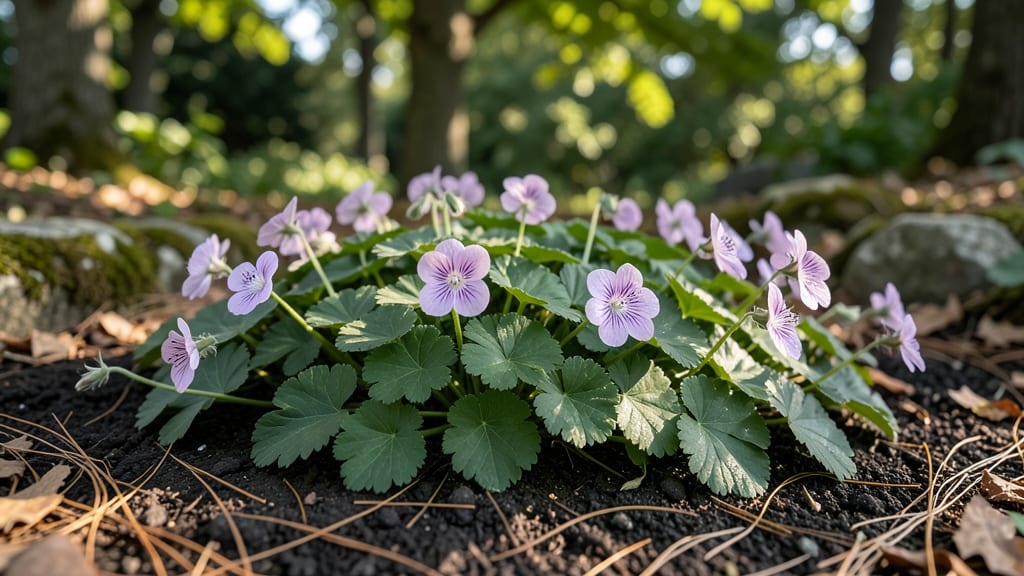
Growing perennial geraniums in shade feels like uncovering a secret garden—these cold-hardy plants defy the myth that geraniums need full sun. 🌿 I’ve grown Geranium macrorrhizum and G. endressii in dappled shade for years, and they’ve become my go-to for reliable blooms under trees and along north-facing walls.
The key isn’t forcing them to thrive; it’s letting them be exactly what they are: shade-loving survivors with fragrant foliage and delicate flowers.
These geraniums love moist, well-draining soil rich in organic matter, but they won’t sulk if your shade spot is a little dry. Water them once a week in dry spells, letting the top inch of soil dry out between waterings—overwatering is their only real enemy.
Prune back leggy stems in early spring and again after flowering to keep them bushy and encourage more blooms. The varieties G. macrorrhizum (cranesbill) and G. endressii (Alpine geranium) handle shade best, spreading slowly to form lush ground covers.
By midsummer, you’ll have a carpet of silvery-green leaves dotted with pink, purple, or white flowers that last well into fall. These plants multiply over time, making them perfect for filling in shady spots without constant maintenance.
They even handle light foot traffic, so they’re great under patio umbrellas or along garden paths. The secret? Treat them like the low-maintenance stars they are, and they’ll reward you with years of effortless beauty.
Pair them with hostas, ferns, or astilbes for a layered shade garden that stays vibrant all season. If your spot gets only partial shade, these geraniums will still perform—just expect slightly fewer blooms than in dappled light.
For full shade, choose the darker-leaved varieties like G. endressii ‘Elke’. The best part? They come back year after year, proving that shade gardens can be just as stunning as sunny ones.
📚 In This Guide
- What you need
- Instructions
- Tips and common mistakes
- Wrapping up and next steps
What you need
- ● Perennial geranium plants: Choose cold-hardy varieties like Geranium macrorrhizum (cranesbill) or Geranium renardii. Buy 3–5 plants for a full, lush look.
- ● Well-draining potting mix: 2–3 cubic feet of a blend designed for woodland or shade-tolerant plants (e.g., 60% peat/compost, 30% perlite, 10% sand).
- ● Containers or garden bed: Containers: 5–10-gallon pots with drainage holes (one per plant). Opt for fabric grow bags or terracotta for breathability.
- ● Garden bed: A 3–4 ft. wide × 2–3 ft. deep area with 6+ hours of dappled shade (e.g., under trees or a pergola).
- ● Slow-release fertilizer: 1–2 tbsp of 10-10-10 or 5-10-5 formula per plant (applied at planting).
- ● Mulch: 2–3 inches of pine bark nuggets or cocoa hulls to retain moisture and suppress weeds.
- ● Watering can or hose: With a gentle spray nozzle to avoid disturbing roots.
- ● Shade cloth: 30–50% density to filter harsh afternoon sun if your shade isn’t perfect.
- ● Epsom salt: 1 tbsp per gallon of water monthly for magnesium boost (great for leaf health!).
- ● Decorative rocks or pebbles: For a polished look around containers.
- ● Plant supports: Small stakes or cages if your geraniums flop in windy areas.
Step-by-step guide to growing perennial geraniums in shade
Here's how to cultivate these cold-hardy beauties that reward patience with vibrant blooms season after season.
🌱 Step 1: Select the Right Varieties for Your Shade Conditions
Not all geraniums thrive in shade—focus on cranesbill types like Geranium macrorrhizum (creeping) or Geranium phaeum (dusky), which tolerate partial to full shade while still blooming reliably. These varieties handle USDA zones 3-8, making them ideal for northern climates or wooded gardens.
I always check the mature plant height when choosing locations—creeping varieties (6-12 inches) work beautifully as ground covers, while upright types (18-24 inches) need slightly more space. Plant them where they'll receive at least 3-4 hours of dappled light daily—this prevents leggy growth while maintaining bloom production.
🪴 Step 2: Prepare the Planting Site with Well-Draining Soil
Perennial geraniums hate soggy roots, so amend your native soil with 2-3 inches of compost and 1 part perlite or coarse sand to improve drainage. The ideal planting medium should crumble easily when dry but still hold moisture—think of it as a well-aerated sponge, not compacted clay.
Dig holes twice as wide as the root ball but only as deep as the container's base. Loosen the roots gently if they're circling in the pot—this encourages outward growth rather than a tangled mass. I always water the hole deeply before planting to eliminate air pockets that could stress the roots.
☀️ Step 3: Plant and Water for Immediate Establishment
Set the geranium at the same depth it grew in its container, then backfill with native soil mixed with compost. Press gently around the base to remove air gaps, but don't compact—firmness, not density, is key. Space plants 12-18 inches apart for upright varieties or 6-12 inches for spreading types to prevent overcrowding.
Water deeply right after planting until moisture reaches 6 inches down—this helps roots establish quickly. I like to use a soaker hose for the first week to encourage deep root growth without surface evaporation. Avoid overhead watering, which can spread fungal spores and cause leaf spots.
🌿 Step 4: Maintain Through the Growing Season
Once established, these shade-tolerant geraniums need moderate watering—keep the soil evenly moist but never soggy. You'll know it's time to water when the top 1-2 inches of soil feel dry to the touch. Mulch with 2-3 inches of shredded bark to retain moisture and suppress weeds, but keep mulch 3 inches away from stems to prevent rot.
Deadhead spent blooms regularly to encourage continuous flowering through late summer. I snip stems just above a set of leaves with clean pruners—this prevents the plant from redirecting energy to seed production. In early spring, trim back any leggy growth by one-third to promote bushier, more compact plants.
⏰ Step 5: Prepare for Winter Dormancy
Perennial geraniums are cold-hardy, but their foliage may yellow and die back in winter. Leave the dead stems in place until late winter—they provide natural insulation for the crown. I only cut back growth in early March, just as new shoots begin to emerge from the base.
If your winters are particularly harsh (below -10°F), add a 2-3 inch layer of mulch around the base for extra protection. These plants will bounce back beautifully in spring, often blooming earlier than annual varieties. The key is patience—first-year plants focus on root growth, but by year two, you'll enjoy months of vibrant flowers.
Tips & tricks for perfect perennial geraniums in shade
These cold-hardy beauties reward patience with vibrant blooms, but a few strategic moves will help you avoid common pitfalls and maximize their potential.
Variety Selection Wisdom: When choosing between creeping (6-12 inches) and upright (18-24 inches) varieties, consider your space and light conditions. Creeping types like Geranium macrorrhizum thrive in tight spots, while upright varieties need room to stretch. For best results, place them where they'll receive at least 3-4 hours of dappled light daily—this prevents leggy growth while maintaining those stunning blooms.
Soil Preparation Secret: The 2-3 inches of compost and 1 part perlite mix isn't just about drainage—it's about creating a well-aerated sponge-like medium. I've found that adding a handful of worm castings to this mix gives an extra nutrient boost without overwhelming the plants. Test your soil first: if it's heavy clay, you might need to increase the perlite to sand ratio for better results.
Watering Technique: That deep watering until moisture reaches 6 inches down is crucial, but timing matters too. Water in the morning so foliage dries quickly, reducing fungal risks. I use a rain gauge to track watering—aim for 1 inch of water per week during growing season, adjusting for rain. Overhead watering spreads disease, so always water at the base using a soaker hose or drip irrigation.
Winter Protection Strategy: For those harsh winters below -10°F, don't just pile on mulch—create a protective mound around the base using 2-3 inches of shredded leaves or straw first, then add the mulch layer. This extra insulation prevents temperature fluctuations that can stress the crown. I've seen geraniums survive -20°F with this method, though they may need a second layer in extreme zones.
Pro Tips for Perennial Geranium For Shade
- These cold-hardy beauties reward patience with vibrant blooms, but a few strategic moves will help you avoid common p...
- Variety Selection Wisdom: When choosing between creeping (6-12 inches) and upright (18-24 inches) varieties, consider...
- Soil Preparation Secret: The 2-3 inches of compost and 1 part perlite mix isn't just about drainage—it's about creati...
Frequently asked questions
Got questions about growing perennial geraniums in shade? You’re not alone! Here are some of the most common concerns—and their solutions—to help you cultivate a thriving, low-maintenance garden.
Can perennial geraniums survive in deep shade?
Most cranesbill geraniums (like G. macrorrhizum) tolerate partial shade but struggle in deep, dense shade (less than 4 hours of sunlight). For full shade, opt for G. phaeum or G. nodosum, which handle 3–4 hours of dappled light. If your shade is heavy, pair them with hostas or ferns for a layered look.
When is the best time to plant shade-loving geraniums?
Plant in early spring or early fall to avoid extreme heat or cold. Spring planting gives roots time to establish before summer, while fall (6–8 weeks before frost) helps them settle before winter. Avoid summer heat—it stresses tender roots! Water deeply after planting to reduce shock.
How do I keep perennial geraniums blooming in shade?
Shade reduces flowering, but you can boost blooms with these tips:
- Deadhead spent flowers regularly to encourage new growth.
- Use a balanced fertilizer (10-10-10) in early spring.
- Ensure well-draining soil—geraniums hate soggy roots!
- If blooms are sparse, gradually increase light (e.g., near a north-facing window or under a tree with filtered light).
What pests or diseases should I watch for in shaded geraniums?
Shade can reduce pest pressure, but keep an eye out for:
- Japanese beetles (chew leaves—handpick or use neem oil).
- Powdery mildew (white fungus in humid shade; improve airflow and avoid overhead watering).
- Root rot (from overwatering; ensure soil drains well).
Most issues stem from poor drainage or overcrowding, so space plants 12–18 inches apart and mulch to regulate moisture.
Are there shade-tolerant geranium alternatives?
If geraniums don’t thrive, try these shade-friendly perennials with similar charm:
- Astilbe (feathery plumes, loves shade).
- Heuchera (coral bells) (colorful foliage, low-maintenance).
- Lungwort (Pulmonaria) (early blooms, spotted leaves).
- Bleeding heart (Dicentra) (delicate heart-shaped flowers).
All handle partial to full shade and add texture to your garden!
Wrapping up and next steps
Ready to transform your shady garden into a vibrant, year-round paradise? Perennial geraniums for shade are your secret weapon—cold-hardy, low-maintenance, and packed with color! Whether you’re a seasoned gardener or just starting out, these tough beauties prove that shade doesn’t mean sacrificing style. 🌿
Your next step? Pick your favorite variety—like ‘Johnson’s Blue’ or ‘Erlighem Red’—and plant it in well-draining soil with a little afternoon sun. Before you know it, you’ll be the envy of the neighborhood with blooms that outlast the seasons! Happy gardening! 🌸