
Blooming
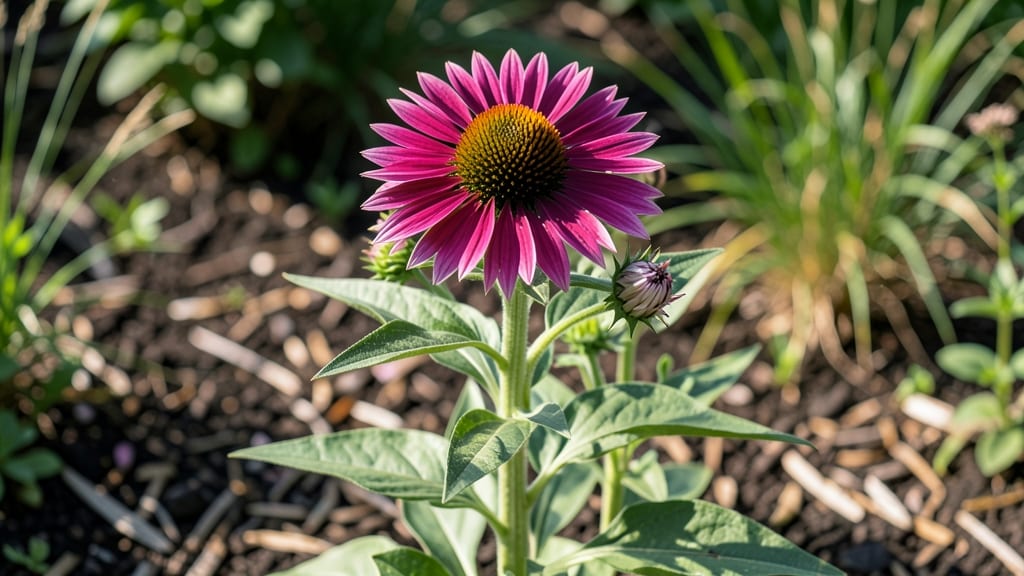
Long-blooming perennials for Zone 4 that thrive from June to frost—yes, they exist in our challenging climate. 🌸 I've spent years testing varieties that refuse to give up when temperatures drop, and these are the ones that consistently deliver months of color even through our short summers. The secret isn't just picking the right plants, but also preparing the soil and timing your care to match our unpredictable climate.
Start with well-draining soil mixed with compost—these perennials reward good soil with longer blooms. Most need full sun (6+ hours daily), though a few like asters tolerate partial shade. Plant in early spring or fall when soil temps are stable, and space them properly to prevent disease.
My go-to list includes coneflowers (they keep going until hard frost), black-eyed Susans (drought-tolerant once established), and daylilies (which bounce back after cold snaps).
You'll see the first blooms appear in early summer, and with proper deadheading, some plants will keep producing until November. The key is watering deeply but infrequently—once established, these perennials hate soggy roots.
A light fertilizer in early spring gives them the boost they need for that second flush of blooms many varieties produce.
For Zone 4 gardeners, the real magic happens in year two when roots get established. Mulch heavily in fall to protect crowns, and you'll have perennials that outperform annuals while requiring almost no effort.
These plants are the backbone of my low-maintenance garden, and they've never let me down—even in our toughest winters.
📚 In This Guide
- What you need
- Instructions
- Tips and common mistakes
- Wrapping up and next steps
What you need
- ● Long-blooming perennials (Zone 4 hardy varieties): 5–10 plants per variety (e.g., Echinacea purpurea, Rudbeckia fulgida, Sedum spp., Daylilies, or Coneflowers)
- ● Check labels for cold-hardy tags (Zone 3–4) to ensure survival.
- ● Garden soil: Well-draining, amended with compost or aged manure (1–2 inches mixed into the top 6–12 inches of soil).
- ● Mulch: 2–3 inches of organic mulch (straw, shredded leaves, or wood chips) to protect roots in winter.
- ● Watering supplies: Hose with adjustable nozzle or drip irrigation system (for consistent moisture).
- ● Watering can (for seedlings or small pots).
- ● Gardening tools: Trowel (for transplanting seedlings).
- ● Hand pruners (sharp, sterilized).
- ● Garden fork or spade (for digging and dividing).
- ● Gloves (heavy-duty for handling thorny plants like Roses or Barberries).
- ○ Fertilizer (optional but recommended): Balanced 10-10-10 or slow-release granular fertilizer (apply in early spring).
- ● Bone meal (for phosphorus boost, especially for root development).
- ● Soil amendments: Perlite or sand (if your soil is too dense), or lime (if soil is acidic).
- ● Plant supports: Stakes or cages for tall perennials like Delphinium or Hollyhocks.
- ● Pest control: Neem oil or insecticidal soap (for aphids or Japanese beetles).
- ● Season extenders: Frost cloth (for early/late-season protection in Zone 4’s unpredictable springs/falls).
- ● Plant markers: Labels or flags to track varieties (especially useful for long-blooming mixes).
Step-by-Step guide to establishing long-blooming perennials in Zone 4
Here’s how I select, prepare, and plant cold-hardy perennials that return year after year with minimal fuss.
🌱 Step 1: Choose the Right Perennials for Zone 4
Focus on varieties proven to thrive in your climate, like coneflowers, black-eyed Susans, Russian sage, or daylilies. These handle Zone 4 winters (-30°F to -20°F) with ease. I always check the USDA database or local nursery recommendations—some perennials labeled "hardy" still struggle with our harsh winters.
Look for plants with deep root systems and woody stems—they recover better after frost. Avoid tender tropicals or those with thin foliage. For example, beard tongue (Penstemon) and catmint (Nepeta) are my go-tos for their resilience and long bloom cycles.
🪴 Step 2: Prepare the Planting Site Early
Start in late summer or early fall—this gives roots time to establish before winter. Clear the area of weeds and loosen the soil to a depth of 12 inches. Amend with 2-3 inches of compost to improve drainage and fertility. I always test soil pH (aim for 6.0-7.0 for most perennials) and adjust with lime or sulfur if needed.
Choose a location with at least 6 hours of sunlight daily, though some shade-tolerant varieties like astilbe or heuchera can handle partial shade. Mark planting spots with stakes to avoid disturbing the soil later. If your soil drains poorly, consider raised beds—waterlogged roots kill perennials faster than cold does.
☀️ Step 3: Plant at the Right Time and Depth
Plant bare-root perennials in early spring or container-grown plants in early fall. Dig holes twice as wide as the root ball but only as deep. Place the plant so the top of the root ball sits 1 inch below soil level—this prevents crown rot. Gently backfill with native soil, tamping lightly to remove air pockets.
Water deeply immediately after planting to settle the soil and eliminate air gaps. Mulch with 2-3 inches of shredded bark or straw to retain moisture and protect roots from temperature swings. Avoid heavy mulch—it can suffocate plants in winter. I always water again in 10-14 days to encourage root growth.
✂️ Step 4: Maintain for Long-Term Blooms
Deadhead spent blooms regularly to redirect energy to new growth. For perennials like coneflowers, I leave some seed heads for winter interest but remove the rest by mid-summer. Fertilize lightly in early spring with a balanced 10-10-10 formula—too much nitrogen promotes leafy growth at the expense of flowers.
Divide clumps every 3-4 years in early spring or fall to prevent overcrowding. Dig up the plant, separate the roots with a knife, and replant the healthiest sections. This rejuvenates blooms and keeps plants vigorous. In Zone 4 winters, add a 4-inch layer of mulch after the first frost to insulate roots.
Tips & tricks for perfect long-blooming perennials in Zone 4
Here's what nobody tells you about making these cold-hardy beauties thrive for seasons to come.
Zone 4 Survival Secret: The key to long-term success in our harsh winters isn't just choosing hardy plants—it's preparing their roots properly. Focus on varieties with woody stems like Russian sage or beard tongue, as these can withstand -30°F to -20°F temperatures without protection. I've found that plants with deep taproots (like coneflowers) handle freeze-thaw cycles better than shallow-rooted varieties. The trick is to plant them 1 inch deeper than recommended—this extra depth provides insulation during winter's worst freezes.
Soil Prep Strategy: When amending your planting area with 2-3 inches of compost in Step 2, don't stop there. Mix in 1 part perlite to 3 parts compost for better drainage—this prevents waterlogged roots that freeze more easily. I always test soil pH before planting, aiming for 6.0-7.0, because acidic soils can stress plants during winter dormancy. For clay-heavy soils, consider raised beds—they warm up faster in spring and drain better during heavy rains.
Planting Timing Hack: The early fall planting window (Step 3) is your secret weapon for Zone 4. Plants get established before winter sets in, so they're better prepared for cold. If you must plant in spring, do it as soon as the ground is workable—don't wait for perfect weather. I've learned this the hard way after planting too late in spring and watching perennials struggle through their first winter. When planting, make sure to water immediately after and again in 10-14 days—this establishes roots before dormancy begins.
Winter Protection Tip: That 4-inch layer of mulch you add after the first frost isn't just for looks—it's insulation. Use straw or shredded leaves rather than wood chips, as they break down more slowly and provide better insulation. I always pull back mulch in early spring to prevent rot, then replace it after the last frost. For newly planted perennials, consider adding a layer of burlap over the mulch for extra protection during our most brutal winter months.
Pro Tips for Long Blooming Perennials Zone 4
- Here's what nobody tells you about making these cold-hardy beauties thrive for seasons to come.
- Zone 4 Survival Secret: The key to long-term success in our harsh winters isn't just choosing hardy plants—it's prepa...
- Soil Prep Strategy: When amending your planting area with 2-3 inches of compost in Step 2, don't stop there. Mix in 1...
Frequently asked questions
Which long-blooming perennials in Zone 4 handle drought best?
Look for drought-tolerant varieties like Russian sage (Perovskia atriplicifolia) or coneflowers (Echinacea purpurea). These thrive with minimal water once established. Black-eyed Susans (Rudbeckia) and daylilies (Hemerocallis) also handle dry spells well—just mulch to retain moisture.
How do I extend the blooming season in Zone 4?
Choose sequential bloomers like shasta daisies (Leucanthemum) or beebalm (Monarda), which flower in waves. Deadhead spent blooms regularly (but leave some seed heads for winter interest!). Fertilize lightly in early spring, and protect tender perennials with mulch to shield roots from cold snaps.
Will these perennials survive Zone 4 winters without extra care?
Most cold-hardy perennials (like hostas, peonies, or catmint) bounce back with no winter prep. However, tender varieties (e.g., lavender) may need mulch or burlap wraps. Cut back dead foliage in early spring—never in fall—to avoid rot and pests.
What’s the best alternative if my soil is poor?
Amend soil with compost before planting, but low-maintenance picks like sedum (Stonecrop) or wild bergamot (Monarda fistulosa) tolerate rocky/poor soil. Russian sage and yarrow (Achillea) also thrive in sandy or clay-heavy zones—just ensure good drainage.
How do I keep pests away from my long-blooming perennials?
Prevent issues with neem oil (for aphids) or row covers (for slugs). Dahlias and canas attract pests—plant garlic or marigolds nearby as natural repellents. Deadhead diseased foliage immediately, and rotate crops every 3–4 years to break pest cycles.
Wrapping up and next steps
Transforming your Zone 4 garden into a long-blooming paradise is totally doable—even with cold winters! 🌸 From hardy Echinacea to resilient Sedum, these perennials prove that beauty and durability go hand in hand. With the right care and placement, you’ll enjoy months of vibrant color with minimal effort.
Ready to get started? Pick 2-3 plants from our list, prep your soil, and watch your garden flourish! Pro tip: Sketch a rough layout first to maximize blooms and ease of maintenance. Happy gardening—your future garden will thank you! 🌿✨