
Plants
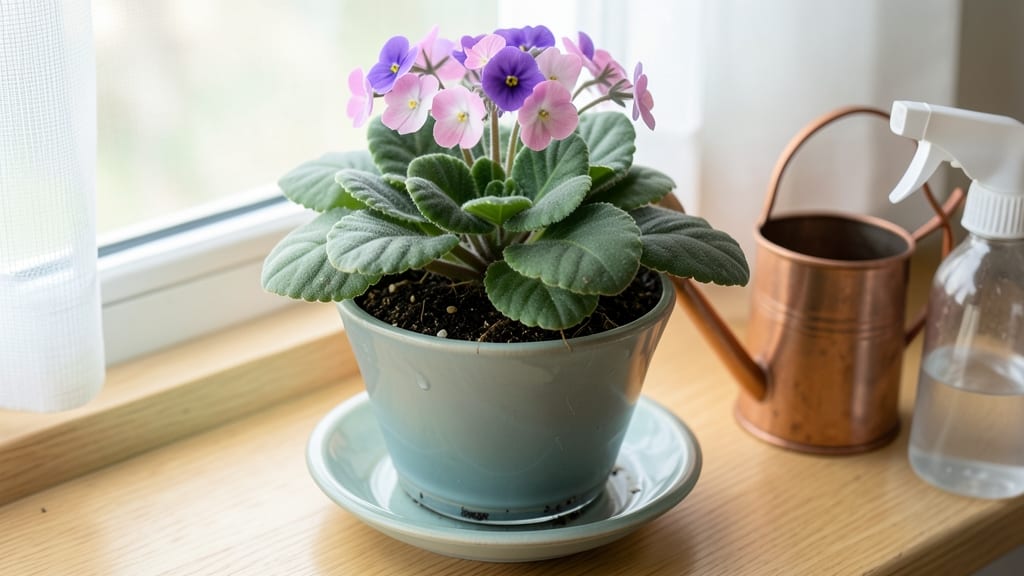
Plants that like bottom watering include pothos, peace lilies, and snake plants, as they absorb moisture gradually through their roots without needing frequent top-watering. This method helps prevent overwatering while maintaining consistent soil dampness.
Bottom watering is especially beneficial for plants with delicate root systems or those that prefer drier conditions between waterings. 🌱 The method mimics natural rainfall patterns, allowing roots to draw up water as needed rather than sitting in soggy soil.
I've noticed that tropical plants like philodendrons and ZZ plants also respond well to this technique, as they thrive in environments with steady moisture without becoming waterlogged.
For container-grown plants, this approach works particularly well because it reduces evaporation from the soil surface. Many gardeners swear by using saucers or trays filled with water—just enough to saturate the root zone without drowning the plant.
The key is monitoring soil moisture closely, as some plants may need adjustments based on their specific needs or seasonal changes.
💡 In This Article
- How Bottom Watering Benefits Specific Plant Types
- Testing Soil Dryness for Bottom-Watered Plants
How bottom watering benefits specific plant types
Bottom watering works wonders for plants with shallow root systems or those that prefer moisture to be drawn upward naturally. Take pothos, for example—its fibrous roots spread horizontally near the soil surface, making it perfect for absorbing water from below.
When you place a pothos pot in a tray of water, the roots drink up moisture gradually, avoiding the risk of over-saturation that top-watering often causes. This method also keeps the foliage dry, reducing fungal risks like powdery mildew that thrive in damp leaves.
The science behind this lies in how roots behave: when water enters from the bottom, roots expand slightly to access it, increasing oxygen uptake. Peace lilies, with their thick, tuberous roots, benefit especially from this—these roots store water efficiently but can rot if submerged too long.
Bottom watering gives them just enough hydration without drowning them. 🌿 Succulents like snake plants also thrive here because their roots are adapted to dry conditions; bottom watering lets them absorb moisture only when needed, mimicking their natural arid environments.
Contrast this with top-watering, which often leads to surface evaporation and uneven moisture distribution. Imagine pouring water on a pothos pot—half the soil stays wet while the other half dries out quickly. Bottom watering eliminates this inconsistency by letting roots regulate their own hydration.
For plants like philodendrons, this means fewer brown leaf tips from inconsistent moisture and fewer fungal spores spreading from wet foliage.
Another key advantage is how bottom watering prevents soil compaction. When you water from above, the force of the stream can compress soil particles, reducing air pockets that roots need to breathe. With bottom watering, water rises gently through capillary action, keeping soil structure loose and aerated.
This is particularly important for tropical plants like ferns, which need well-drained yet consistently moist soil without becoming waterlogged.
Consider the case of ZZ plants—these drought-tolerant beauties store water in their rhizomes (thickened underground stems). Bottom watering lets them absorb moisture slowly over time, preventing the sudden water shocks that can cause root rot. The result?
Healthier plants with fewer brown leaves and more vibrant growth. For gardeners using self-watering pots, this method is a game-changer, as it automates hydration while still giving plants control over how much they drink.
What most people don't realize is that bottom watering also helps maintain a more stable soil temperature. Top-watering can cool the soil surface dramatically, creating temperature stress for roots. Bottom watering keeps the root zone warmer and more consistent—ideal for tropical plants that prefer warmth.
This subtle difference can mean the difference between thriving and struggling, especially in cooler climates where indoor temperatures fluctuate.
For container gardens, this technique is a lifesaver during travel or busy schedules. A tray of water beneath your pothos or peace lily can keep it hydrated for days without risking overwatering.
The key is using well-draining soil—think cactus mix for succulents or a peat-based blend for tropicals—and ensuring the container has drainage holes to prevent water from pooling at the roots. 💧