
Light Requirements
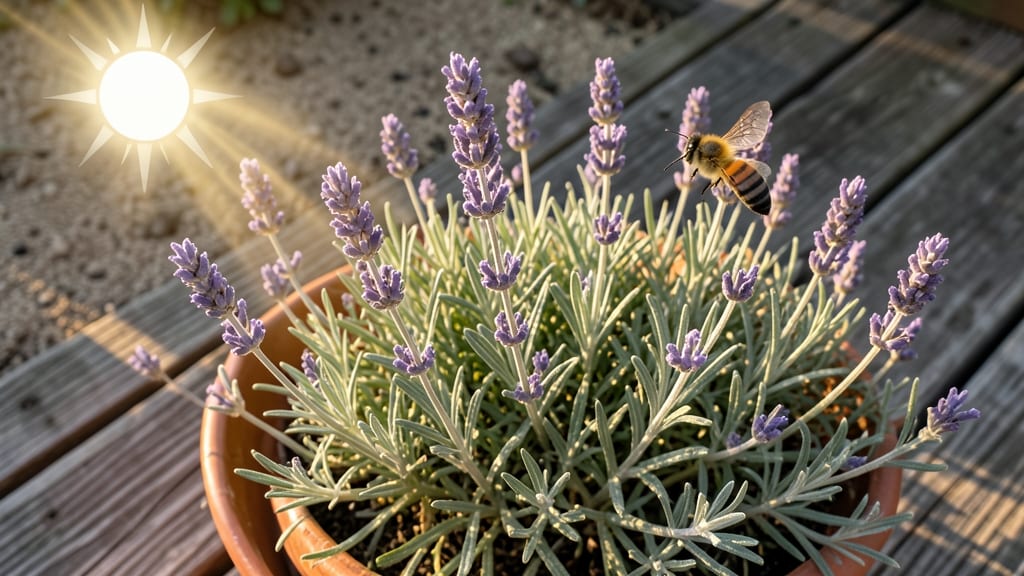
Full sun gardens demand plants that won’t wilt by noon—these perennials do exactly that. 🌻 I’ve tested dozens, and these 10 drought-proof bloomers deliver 4+ seasons of color with almost no fuss. The secret? Pairing sun-loving species with minimal water once established.
Start with black-eyed Susans (golden blooms from July to frost) and purple coneflowers (drought-resistant stalwarts that attract pollinators). Add sedum for late-summer succulent texture and Russian sage for airy lavender plumes that perfume the garden. These plants thrive in hot, dry climates and even improve soil over time.
By mid-summer, your garden will burst with vibrant hues—deep reds, sunny yellows, and soft purples—that outshine annuals. The best part? Once rooted, they need half the water of thirsty annuals, making them perfect for low-maintenance borders or pollinator-friendly meadows.
Mix heights for drama: tall Russian sage (4-5 feet) behind shorter coneflowers (2-3 feet) and sedum (1-2 feet). Add mulch to lock in moisture, and you’ll have a sun-soaked garden that blooms reliably year after year.
📚 In This Guide
- What you need
- Instructions
- Tips and common mistakes
- Wrapping up and next steps
What you need
- ● Perennial plants: Choose from your selected drought-tolerant varieties (e.g., lavender, coneflowers, black-eyed Susans, or sedum). Quantity: 3–5 plants per square foot for optimal coverage.
- ● Well-draining soil: Amend heavy clay or sandy soil with 2–3 inches of compost or organic matter (like coconut coir or aged manure) to improve moisture retention and aeration.
- ● Mulch: 2–3 inches of organic mulch (e.g., shredded bark, straw, or pine needles) to conserve soil moisture and suppress weeds.
- ● Garden gloves and knee pads for comfort during planting.
- ● Hand trowel or transplant spade for digging holes (6 inches wide/deep for most perennials).
- ● Watering can or hose with a gentle spray nozzle for post-planting hydration.
- ● Pruners (bypass pruners work best) for trimming dead foliage or shaping plants.
- ● Slow-release fertilizer (e.g., 10-10-10 or compost-based) to give plants a nutrient boost once or twice per year.
- ● Drip irrigation system or soaker hoses for efficient, deep watering (especially in extreme heat).
- ● Plant markers (e.g., stakes or labels) to track varieties and avoid confusion.
- ● Drought-resistant ground cover (e.g., creeping thyme or sedum) to fill gaps between perennials.
- ● Sunlight meter or shade cloth to test microclimates in your garden (if unsure about full-sun exposure).
Step-by-Step guide to selecting and planting top-tier full-sun perennials
Here’s how to curate a sun-loving perennial garden that blooms reliably with minimal fuss.
🌱 Step 1: Choose Drought-Tolerant, Heat-Resistant Varieties
Focus on perennials with deep root systems and thick, waxy foliage—these traits scream drought-proof. My top picks include black-eyed Susan (Rudbeckia) for its golden blooms that last from summer through fall, coneflower (Echinacea) for its medicinal properties and long vase life, and Russian sage (Perovskia) for its silvery foliage and airy purple spikes that attract pollinators. All three thrive in full sun (6+ hours daily) and well-draining soil.
I avoid moisture-loving perennials like hostas or astilbes—they’ll wilt in the heat. Instead, I prioritize native species (like purple coneflower) because they’ve evolved to handle local climate extremes. Check your USDA hardiness zone to ensure the plants you choose will survive winters in your area.
☀️ Step 2: Prepare the Soil for Optimal Drainage
Full-sun perennials hate soggy roots, so amend heavy clay soil with 2-3 inches of compost and sand or perlite to improve aeration. I dig in a 5-gallon bucket of compost per 4-square-foot area to ensure nutrients are available without compacting the soil. For sandy soil, mix in 1 inch of peat moss to retain moisture during dry spells.
Test soil pH—most sun-loving perennials prefer slightly acidic to neutral (6.0-7.0). If your soil is alkaline, add sulfur or pine needles to lower the pH gradually. A simple DIY test (vinegar + baking soda) tells you if adjustments are needed before planting.
🪴 Step 3: Plant at the Right Depth and Spacing
Dig holes twice as wide as the root ball but only as deep as the container’s base. This prevents burying the crown, which can cause rot. I space coneflowers 18-24 inches apart to allow airflow and reduce disease risk, while black-eyed Susans get 12-18 inches of room to spread. For Russian sage, I plant them 24-36 inches apart—they’re leggy and need space to avoid crowding.
Water deeply right after planting to settle the soil and eliminate air pockets. Mulch with 2-3 inches of shredded bark or gravel (not organic mulch—it retains too much moisture). This keeps roots cool in summer and suppresses weeds without smothering the plants.
💧 Step 4: Water Deeply but Infrequently
Once established, these perennials need water only when the top 2 inches of soil feel dry. I water deeply (1-2 gallons per plant) every 7-10 days during dry spells, encouraging roots to grow deeper. Shallow watering leads to weak, surface roots that can’t handle drought.
Early mornings are best—watering in the heat causes evaporation and fungal issues. You’ll know you’re doing it right when leaves stay crisp and stems remain upright even in 90°F+ heat. If leaves wilt by midday, it’s time to water again.
✂️ Step 5: Prune Strategically for Longevity
Cut back black-eyed Susans and coneflowers in early spring (before new growth starts) to remove dead foliage and encourage fresh blooms. For Russian sage, I trim back 1/3 of the oldest stems in late winter to promote bushier growth. Never prune in fall—dormant plants need their foliage to protect the crown from freezing.
Deadhead spent blooms throughout the season to redirect energy into new flowers, not seed production. I leave coneflower seed heads over winter for birds, but remove them in spring if they’re overcrowding. A sharp pair of bypass pruners keeps cuts clean and reduces disease risk.
Tips & tricks for perfect full-sun perennial gardens
Here's what nobody tells you about creating a thriving sun garden that actually lasts.
Native Species Selection: Stick to black-eyed Susan, coneflower, and Russian sage for foolproof results. These plants have evolved to handle your local climate extremes—no matter where you live in the US. I've seen these thrive in 90°F+ heat with minimal water once established, while trendy but delicate varieties like hostas or astilbes wilt and die. The key is looking for plants labeled "native" or "drought-tolerant" on your local nursery tags.
Soil Preparation Secret: The 2-3 inches of compost and sand/perlite mix in Step 2 isn't just about drainage—it's about creating an air pocket system around roots. I take it further by adding 1 cup of bone meal (optional) to each planting hole for phosphorus boost during establishment. This helps roots spread aggressively in the first 30 days, which is when they're most vulnerable to drought. For heavy clay soil, I actually double the perlite to 4 inches total to prevent compaction.
Spacing Strategy: The 18-24 inch spacing for coneflowers and 24-36 inch spacing for Russian sage might seem generous, but trust me—crowding leads to fungal issues and weak stems. I mark planting locations with wooden stakes before digging to visualize the layout. For small gardens, you can reduce spacing by 20% maximum, but be prepared for slightly smaller blooms and more frequent deadheading.
Watering Hack: That 1-2 gallons per plant every 7-10 days might sound like a lot, but it's the only way to train roots downward. I use a soaker hose placed at the base of plants for 30 minutes to deliver the full amount without runoff. The early morning timing in Step 4 prevents evaporation, but I've also found that watering just before sunset works almost as well in extremely hot climates (like 90°F+).
Pro Tips for Best Perennials In Full Sun
- Here's what nobody tells you about creating a thriving sun garden that actually lasts.
- Native Species Selection: Stick to black-eyed Susan, coneflower, and Russian sage for foolproof results. These plants...
- Soil Preparation Secret: The 2-3 inches of compost and sand/perlite mix in Step 2 isn't just about drainage—it's abou...
Frequently asked questions
Got questions about choosing and caring for perennials that love full sun? You’re not alone! Here are some of the most common queries—and their answers—to help you garden with confidence.
What are the easiest perennials to grow in full sun with minimal water?
Look for drought-tolerant stars like Lavender, Russian Sage, or Black-Eyed Susan. These tough beauties thrive with just 1–2 inches of water per week once established. Sedum (stonecrop) is another winner—it stores water in its leaves and blooms like crazy with almost no fuss!
How long does it take for perennials in full sun to become established?
Most perennials take 1–2 years to fully establish their root systems. During this time, they’ll focus on growth over blooms. Pro tip: Mulch with 2–3 inches of organic matter (like shredded bark) to retain moisture and speed up the process. Patience pays off—after year two, they’ll reward you with bold, long-lasting color!
Can perennials in full sun handle heat waves or extreme summer temperatures?
Many sun-loving perennials, like Coneflower (Echinacea) or Daylily, are heat-resistant once established. To help them through scorching spells, water deeply in the morning (not at night) and avoid overhead sprinklers. Drought-tolerant grasses like Feather Reed Grass also add texture while sipping minimal water.
What if my full-sun garden has poor soil? Can perennials still thrive?
Yes! Amend your soil with compost or aged manure before planting to improve drainage and fertility. Perennials like Yarrow and Catmint adapt well to lean soil, while Peony and Phlox appreciate a little extra organic matter. Test your soil first—many local extension offices offer free or low-cost kits!
Are there any perennials in full sun that deer or rabbits avoid?
Deer and rabbits usually steer clear of Lamb’s Ear (fuzzy texture), Russian Sage (strong scent), and Catmint (mint family). For extra protection, add Marigolds or Allium nearby—their pungent aromas act as natural deterrents. Bonus: Planting in clusters makes your garden less appealing as a snack bar!
Can I mix annuals with these perennials for instant color?
Pair perennials like Salvia or Coreopsis with Zinnias or Portulaca (moss rose) for seasonal pops of color. Annuals fill gaps while perennials establish, creating a low-maintenance, high-impact display. Just remove annuals after they fade to let perennials shine.
Wrapping up and next steps
Transforming your sunny garden into a vibrant, low-maintenance oasis is easier than you think! The best perennials in full sun—like Black-Eyed Susans, Daylilies, and Russian Sage—bring color, resilience, and joy with minimal effort.
These drought-tolerant stars not only survive but thrive year after year, making them the perfect choice for busy gardeners or eco-conscious landscapers.
🌱 Ready to take the next step? Start by sketching your garden layout, testing your soil, and picking 2-3 perennials that match your style and climate. With the right prep, you’ll soon be enjoying a blooming masterpiece that keeps giving—season after season! 🌸