
Watering
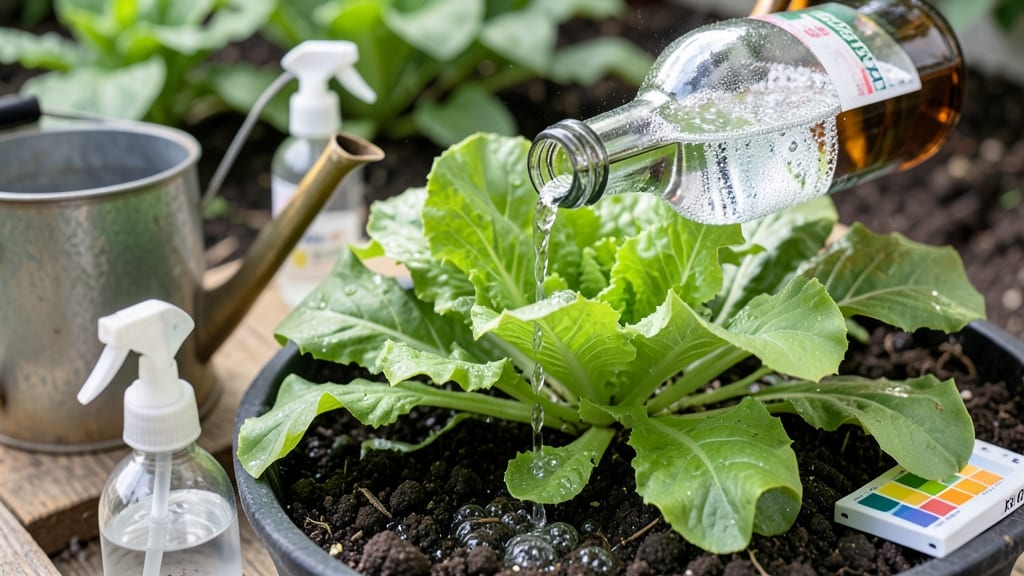
Sparkling water for plants can work in moderation since the carbonation fizzes out quickly, but too much disrupts soil aeration and risks root suffocation. For best results, use plain, room-temperature water consistently.
Carbonated water might seem harmless, but the bubbles actually reduce oxygen levels in soil, which roots need to breathe. 🌱 This is especially true for dense soils like clay, where bubbles linger longer than in loose, sandy mixes.
Even though the fizz disappears within hours, overwatering with sparkling water can still harm beneficial microbes that help break down nutrients in the soil.
If you’re set on using sparkling water, dilute it with still water (1:3 ratio) and avoid deep watering—stick to light misting for foliage plants. For a nutrient boost without the risks, try adding a splash of rainwater or a pinch of aquarium water (which contains beneficial microbes) instead.
💡 In This Article
- How Carbonation Affects Plant Roots and Soil Health
- Safe Alternatives to Sparkling Water for Plant Care
How carbonation affects plant roots and soil health
The carbonation in sparkling water creates tiny oxygen bubbles that temporarily displace the air pockets plants need in soil. Roots absorb oxygen through these spaces, and when bubbles fill them, roots struggle to breathe—similar to how a fish suffocates in stagnant water.
This is especially critical for dense soils like clay, where bubbles can linger for 24-48 hours before fully dissipating, compared to just 1-2 hours in loose, sandy soil. 🌱
Beyond oxygen displacement, carbonation slightly lowers soil pH (making it more acidic), which can stress sensitive plants like azaleas or blueberries that prefer acidic conditions. However, the pH shift is usually minor—around 0.2-0.5 units—and temporary, as the carbon dioxide escapes.
The bigger risk is disrupting soil microbes, which thrive in well-aerated environments. These microbes help break down organic matter into nutrients plants can absorb, so their activity directly impacts growth.
Still water, by contrast, allows oxygen to dissolve naturally and doesn’t create harmful bubbles. It also maintains a stable pH, making it ideal for nutrient uptake. For example, plants like tomatoes or peppers, which have extensive root systems, benefit from consistent oxygen levels.
In hydroponic setups, where roots are fully submerged, the difference is even more dramatic—carbonated water can cause root rot within 3-5 days if used regularly.
One common misconception is that the bubbles "aerate" the soil, but this is only true in the short term. The real aeration comes from the soil’s natural structure, not forced carbonation.
Think of it like shaking a soda bottle: the bubbles create a temporary foam, but they don’t improve the liquid’s quality—they just make it fizzy. Similarly, sparkling water doesn’t add value to soil; it just risks disrupting the delicate balance roots rely on. 💫
For plants with shallow roots, like succulents or herbs, the impact is less severe because their roots are closer to the surface where oxygen is more accessible. But even here, overwatering with sparkling water can lead to yellowing leaves—a classic sign of oxygen deprivation.
The key is moderation: if you must use sparkling water, limit it to 10% of total watering and always pair it with still water to dilute the effects.
To visualize the difference, imagine two glasses of water: one still, one sparkling. The still water lets air dissolve evenly, while the sparkling water traps air in bubbles that can’t be used by roots.
This is why gardeners often recommend avoiding carbonated water entirely—it’s a gamble with your plants’ health that’s rarely worth the risk. 🌿