
Flowers
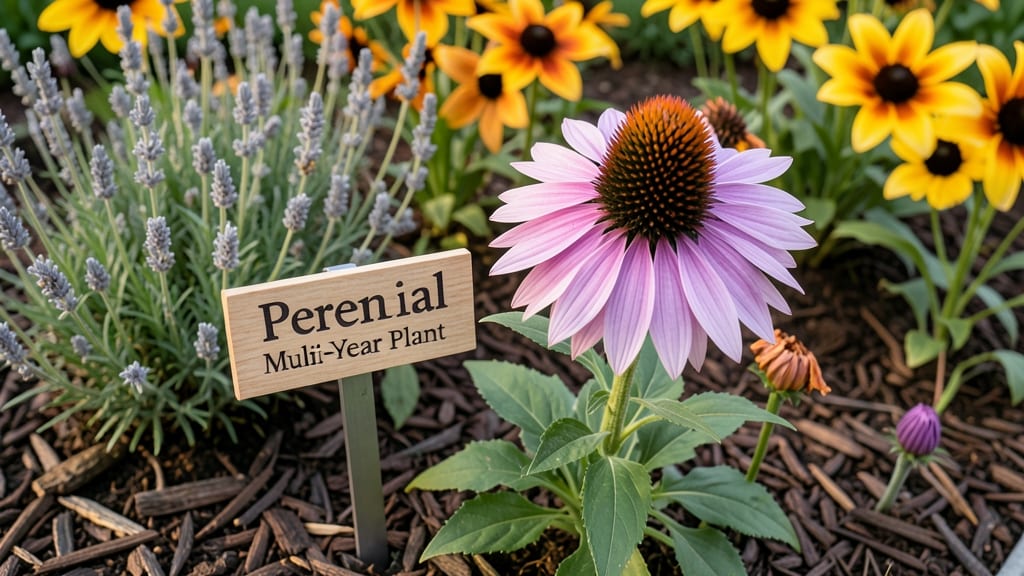
Meaning perennial flowers keep coming back every year—no replanting, no fuss, just reliable blooms that turn your garden into a showstopper. 🌸 Unlike annuals that fade after one season, these hardy plants grow from deep roots, so they bounce back stronger each spring, even after winter’s chill. Think of them as the low-maintenance superstars of the flower world: once established, they thrive with minimal care, saving you time and money while filling your garden with color season after season.
What makes them special? Hardiness and adaptability—perennials handle drought, cold snaps, and even light foot traffic better than most plants. Take coneflowers, for example: they bloom from summer into fall, attract pollinators, and come back year after year without needing extra pampering.
Lavender adds fragrance and drought resistance, while hostas bring lush foliage to shady spots. The best part? They spread over time, filling in gaps naturally and reducing the need for new plants.
You’ll love how they simplify gardening—no replanting, no empty spaces, just a garden that looks intentional and vibrant all season long. Start with a few tough varieties like black-eyed Susans or daylilies, and you’ll see why gardeners swear by them.
They’re the backbone of a low-stress, high-reward garden that keeps giving back year after year.
Perfect for busy gardeners, small spaces, or anyone tired of replanting annuals every spring. Here’s how to choose the right ones for your climate and sunlight—so you can enjoy their beauty with almost no effort at all.
📚 In This Guide
- What you need
- Instructions
- Tips and common mistakes
- Wrapping up and next steps
What you need
- ● Perennial flower seeds or plants: Choose from a mix of native varieties (like coneflowers, black-eyed Susans, or daylilies) and hardy perennials suited to your USDA hardiness zone. Aim for 5-10 plants per square foot for a lush look.
- ● High-quality garden soil: 50 lbs of a well-draining, organic potting mix (amend with compost if your soil is clay-heavy).
- ● Organic mulch: 2-3 cubic feet (e.g., shredded bark or straw) to retain moisture and suppress weeds.
- ● Slow-release fertilizer: A 10-10-10 or 5-10-10 NPK blend (follow package instructions for application rates).
- ● Garden gloves: A pair of waterproof, breathable gloves (e.g., nitrile-coated) to protect your hands.
- ● Hand trowel or transplant spade: For digging and planting with precision.
- ○ Garden fork or aerator: To loosen compacted soil before planting (optional but helpful for heavy soil).
- ● Watering can or hose with a gentle spray nozzle: For deep but gentle watering (1-1.5 inches per week).
- ● Pruners or shears: Bypass pruners for clean cuts during maintenance.
- ● Sunlight assessment: Identify full sun (6+ hours/day), partial shade (3-6 hours), or full shade (<3 hours) areas in your yard.
- ● Water source: Ensure easy access to water (e.g., a hose connection or rain barrel).
- ● Patience and observation: Perennials thrive with minimal intervention—just monitor soil moisture and adjust care as needed!
- ● Soil test kit: To check pH and nutrient levels (aim for 6.0-7.0 pH for most perennials).
- ● Drip irrigation system: For low-maintenance watering (especially in hot climates).
- ● Decorative stones or edging: To define garden beds and reduce weed intrusion.
- ● Seasonal blooms guide: A reference for when to plant, fertilize, and prune your perennials.
How to select and plant perennial flowers for season-long color
Here’s how to choose and establish perennials that thrive with minimal effort.
🌱 Step 1: Choose the Right Perennials for Your Climate
Start by selecting perennials that match your USDA hardiness zone—this ensures they’ll return reliably year after year. For example, coneflowers and black-eyed Susans thrive in zones 3-9, while lavender prefers zones 5-8. Check the plant tag or a trusted nursery guide for specifics.
I always look for native perennials first—they’re adapted to local soil and weather, meaning less fuss for you. Native plants also attract pollinators, which keeps your garden buzzing with life. If you’re unsure, ask a local gardener or visit your extension office for tailored recommendations.
☀️ Step 2: Pick the Perfect Planting Spot
Most perennials need at least 6 hours of sunlight daily, but some, like hostas or heuchera, tolerate partial shade. Observe your yard: where does sunlight linger longest? A south-facing spot is ideal for sun-lovers, while east or west exposures work for moderate light needs.
Drainage matters too. Perennials hate soggy roots, so avoid low spots where water pools. If your soil drains poorly, amend it with compost or plant in raised beds. I’ve learned the hard way—skipping this step leads to root rot and lost plants.
🪴 Step 3: Plant at the Right Time and Depth
Plant perennials in early spring or early fall when temperatures are mild. This gives roots time to establish before extreme heat or cold. Dig a hole twice as wide as the root ball but only as deep as it was in its container.
Loosen the roots gently if they’re circling the pot—this prevents girdling as they grow. Place the plant in the hole, backfill with soil, and water deeply to settle everything. Press the soil lightly with your hands, but don’t compact it too much. You’ll see new growth within 2-3 weeks if conditions are right.
💧 Step 4: Water and Mulch for Long-Term Success
Water newly planted perennials deeply once a week for the first month, then taper to every 10-14 days once established. The goal is to encourage deep root growth, not surface moisture. You’ll know it’s working when the soil feels dry 2-3 inches down between waterings.
Apply 2-3 inches of mulch (like shredded bark or straw) around the base to retain moisture and suppress weeds. Keep mulch 2 inches away from stems to prevent rot. This layer also protects roots during winter freezes—critical for first-year survival.
✂️ Step 5: Prune and Maintain for Year-Round Beauty
Cut back dead or damaged stems in early spring before new growth starts. For perennials like peony or iris, trim foliage to half its height after blooming to redirect energy into next year’s flowers. Avoid heavy pruning in fall—it exposes tender stems to winter damage.
Fertilize lightly in early spring with a balanced, slow-release formula (like 10-10-10). Too much nitrogen makes perennials grow lush leaves but few flowers. I swear by a handful of compost worked into the soil instead—it feeds roots without overfeeding.
Tips & tricks for perfect perennial flower planting
These simple strategies will help your perennial flowers thrive with minimal effort and maximum beauty.
Climate Matching: Double-check your USDA hardiness zone before purchasing perennials—this single step prevents costly mistakes. I once bought lavender for my zone 4 garden (it thrives in zones 5-8) and lost three plants to winter freezes. Always verify with the plant tag or a local nursery.
Sunlight Strategy: For that crucial 6 hours of sunlight, observe your yard at different times of day. South-facing spots get the most consistent light, while east-facing areas offer gentle morning sun. If planting in partial shade, choose varieties like hostas or heuchera that tolerate less light—full sun plants like coneflowers will struggle and produce fewer blooms.
Root Care: When loosening circling roots in Step 3, be gentle—you're not trying to tear them, just separate them from the pot. I've seen gardeners snap roots by yanking too hard, which stresses the plant. A quick soak in water before planting also helps revive roots that may have dried out during shipping or storage.
Watering Wisdom: The "dry 2-3 inches down" test is your best friend. Stick a finger in the soil—if it feels dry at that depth, it's time to water. Overwatering is just as harmful as underwatering, especially in containers where roots can't spread as easily. Mulch helps maintain that moisture balance without you having to monitor constantly.
Pro Tips for Meaning Perennial Flowers
- These simple strategies will help your perennial flowers thrive with minimal effort and maximum beauty.
- Climate Matching: Double-check your USDA hardiness zone before purchasing perennials—this single step prevents costly...
- Sunlight Strategy: For that crucial 6 hours of sunlight, observe your yard at different times of day. South-facing sp...
Frequently asked questions
Got questions about perennial flowers?
You're not alone! Whether you're a beginner gardener or just curious about low-maintenance blooms, here are answers to the most common questions about these resilient plants.
What exactly are perennial flowers, and how do they differ from annuals or biennials?
Perennial flowers are plants that come back every year after dying back in winter, thanks to their underground roots or rhizomes. Unlike annuals (which bloom once and die) or biennials (which take two years to complete their life cycle), perennials offer season-after-season color with minimal replanting. Think of them as the "set it and forget it" stars of your garden!
How long does it take for perennial flowers to establish and bloom?
Most perennials take 1–2 years to fully establish and reach their peak blooming potential. In the first year, they focus on growing roots and foliage, while the second year often delivers vibrant, abundant flowers. Patience pays off—just give them time (and consistent watering) to thrive!
Do perennials require a lot of water once established?
Once rooted, many perennials are drought-tolerant and only need water during prolonged dry spells (like 1–2 weeks without rain). Newly planted perennials, however, need regular watering (1–2 times per week) to help them establish strong roots. Mulching around the base reduces evaporation and keeps soil moist.
Can I grow perennials in containers, or are they only for garden beds?
Many perennials—like lavender, sedum, or dwarf coneflowers—thrive in containers with well-draining soil and adequate sunlight. Just choose smaller varieties for pots (e.g., Heuchera or Ajuga) and ensure containers have drainage holes to prevent root rot. Containers let you move perennials for seasonal sunlight adjustments!
Are perennials pest- or disease-prone? How do I keep them healthy?
Perennials are generally hardy and low-maintenance, but pests like aphids, slugs, or powdery mildew can still appear. Preventative care helps: Deadhead spent blooms to encourage reblooming, space plants properly for airflow, and water at the base (not leaves) to deter fungi. A neem oil spray or companion planting (e.g., marigolds) can also deter pests naturally.
What are the easiest perennial flowers for beginners?
Start with these foolproof perennials:
- Coneflower (Echinacea) – Drought-resistant, attracts pollinators.
- Black-eyed Susan (Rudbeckia) – Bright yellow blooms, thrives in poor soil.
- Daylily (Hemerocallis) – Nearly indestructible, blooms all summer.
- Lavender – Fragrant, repels pests, loves full sun.
- Sedum (Stonecrop) – Succulent-like, thrives in heat and drought.
Wrapping up and next steps
Perennial flowers aren’t just about beauty—they’re a low-maintenance promise of color and life, season after season! 🌸 From hardy blooms like coneflowers to delicate lavender, these plants prove that stunning gardens don’t require endless effort.
Whether you’re a gardening newbie or a seasoned pro, their resilience and charm make them the perfect addition to any outdoor space.
Ready to transform your garden? Start small—pick one or two perennials that thrive in your climate, and watch your yard bloom with effortless elegance. Happy planting! 🌱