
Orchid Care
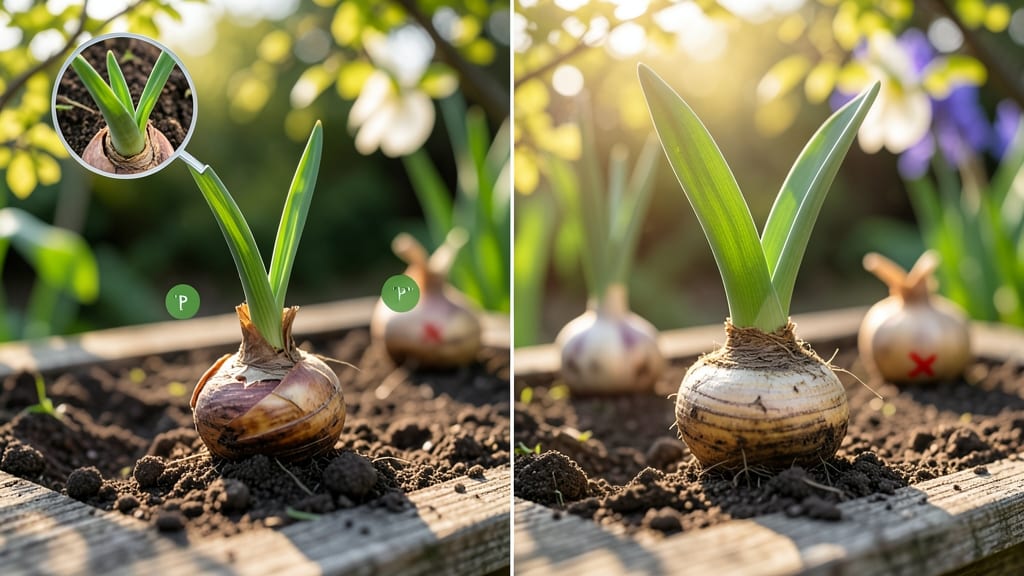
Not all bulbs are perennials—some like tulips and daffodils return each year after dying back, while others such as onions or garlic complete their life cycle in just one or two seasons. True perennial bulbs like lilies or alliums thrive for years with proper seasonal care.
This distinction comes down to how bulbs store energy and handle dormancy. 🌱 Tulips and daffodils, for example, rely on tunicated outer layers to protect their growth centers, allowing them to regenerate from the same roots year after year.
In contrast, garlic and onions produce new bulbs annually but don't have the same regenerative structures, so they don't persist beyond their natural cycle. The key to encouraging perennial behavior is mimicking their natural environment—providing well-draining soil, seasonal mulch, and avoiding overwatering during dormancy.
For gardeners, understanding these differences means you can make smarter planting choices. Perennial bulbs like alliums or fritillaries become long-term investments that multiply over time, while others like hyacinths or crocuses may need replanting every few years.
I've found that adding a layer of compost in fall helps protect dormant bulbs from temperature swings, which can make all the difference in whether they'll bounce back next spring.
💡 In This Article
- Why Some Bulbs Die Back While Others Persist
- How to Extend Bulb Lifespan in Your Garden
Why some bulbs die back while others persist
The key difference lies in how bulbs store energy and protect their growth centers. True perennial bulbs like lilies or alliums develop scaly tunics—protective layers that shield their delicate inner buds from frost and drought.
These tunics act like nature's insulation, allowing the bulb to survive harsh winters and regenerate annually. For example, a daylily bulb can live for decades because its thick, papery layers preserve moisture and nutrients during dormancy.
In contrast, bulbs like tulips and daffodils have tunicated outer layers that protect their growth points but aren't as robust. While they die back above ground, their roots remain active, storing energy for next year's bloom.
Biennials like onions or garlic, however, complete their life cycle in just one or two years—they produce seeds or new bulbs before dying, much like annuals. The science here involves carbohydrate reserves: perennials like crocuses store more starch in their roots, fueling regrowth each spring.
Seasonal dormancy plays a huge role too. Perennial bulbs enter a resting phase in late summer, where they stop growing but remain alive underground. During this time, they need well-draining soil to prevent rot.
For instance, a rain lily in Zone 7 might need 3-4 inches of mulch in winter to protect its delicate roots while still allowing airflow. Without this care, even perennials can fail to return.
Another factor is how bulbs reproduce. True perennials like fritillaries often multiply via offsets—small bulbs that form at the base of the mother bulb. These offsets can be gently separated in early fall to create new plants.
Meanwhile, bulbs like hyacinths or snowdrops rely on seed propagation or division every 3-5 years to stay vigorous. This biological difference explains why some bulbs thrive for years while others fade without intervention.
What most gardeners don't realize is that even perennial bulbs have a finite lifespan—typically 5-15 years, depending on species. Over time, their energy reserves deplete, or they become overcrowded. For example, a 10-year-old daffodil might produce fewer blooms because its roots have become congested.
Dividing clumps every 3-4 years can restore vitality by giving each bulb more space to store nutrients.
Consider this: a lily bulb planted in well-amended soil with 2-3 inches of compost can live for 20+ years, while a tulip in the same conditions might only return reliably for 3-5 years**.
The difference? Lilies have deeper, more extensive root systems that access water and nutrients more efficiently. This biological advantage makes them true perennials in the garden.