
Plants
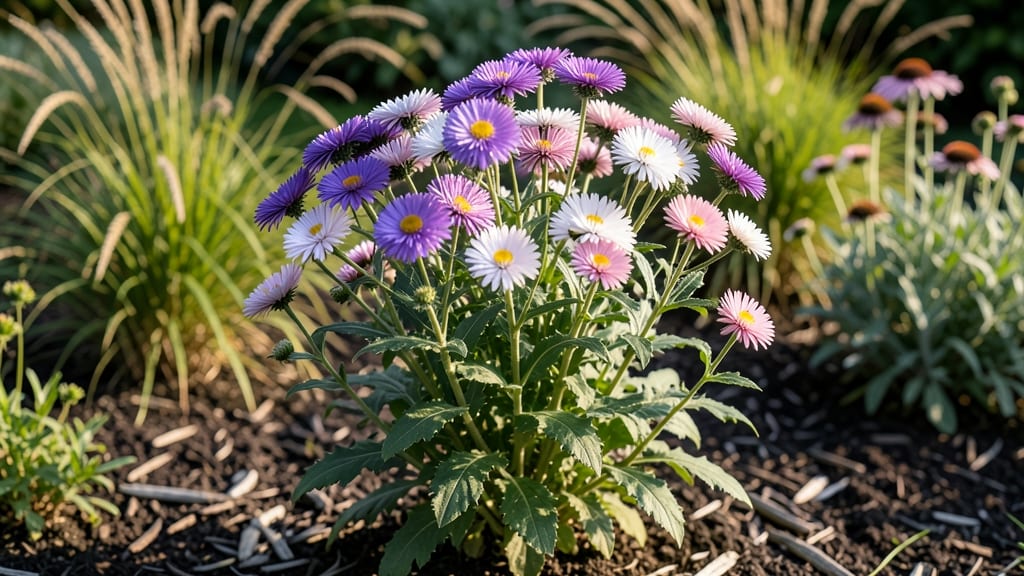
Asters are perennials in most U.S. growing zones (3–9), thriving year after year with consistent care, though some varieties may die back during harsh winters or prolonged drought. Their long-term survival hinges on proper soil conditions and seasonal maintenance.
Asters earn their perennial status by adapting to seasonal changes, but their resilience varies by species and location. 🌸 In colder zones (like 3–5), varieties such as New England aster (Symphyotrichum novae-angliae) often retreat underground in winter only to re-emerge with vibrant blooms the following spring.
Meanwhile, heat-tolerant types like calico aster (Symphyotrichum lateriflorum) may struggle in southern climates without adequate moisture. The key difference lies in their root systems—deep-rooted asters store energy for regrowth, while shallow-rooted ones need protective mulch to survive freeze-thaw cycles.
Proper care transforms asters from seasonal bloomers into long-lived garden staples. Well-drained soil rich in organic matter (like compost) prevents root rot, while a 3-inch layer of mulch in late fall insulates roots from temperature swings. I’ve found that dividing clumps every 3–4 years revitalizes growth, as overcrowding weakens plants.
Deadheading spent blooms redirects energy to next year’s flowers, ensuring a fuller display. With these practices, asters can grace your garden for 5–10 years or more.
💡 In This Article
- Asters’ Perennial Lifespan by USDA Hardiness Zones
- Extending Asters’ Perennial Life: Soil, Mulch, and Pruning Tips
Asters’ perennial lifespan by USDA hardiness zones
Asters’ perennial nature hinges on their ability to survive winter dormancy, a process governed by their genetic hardiness and environmental conditions. The USDA Plant Hardiness Zone Map serves as the primary guide, with most aster species thriving in zones 3–9.
For example, New England aster (Symphyotrichum novae-angliae) tolerates down to -30°F in zone 3, while heath aster (Symphyotrichum ericoides) prefers milder zones 5–9.
This variation stems from their evolutionary adaptations—northern varieties develop thicker root crowns to store carbohydrates for regrowth, while southern types prioritize drought resistance over cold tolerance.
The science behind winter survival involves cold acclimation, where plants produce antifreeze proteins and increase sugar concentrations in their cells to prevent ice crystal formation. In zones 4–6, asters often die back to the ground but regrow from their rhizomatous roots once temperatures rise.
Here’s how it breaks down by zone: in zone 3, heavy mulching (4–6 inches) is critical, while zone 7+ varieties may need shade during summer heat to prevent stress.
The key is matching the species to your climate—planting a zone 5 aster in zone 9 without proper moisture can lead to decline.
What most gardeners overlook is how soil temperature affects regrowth timing. Even in cold zones, roots remain active until the ground freezes, typically around 25–30°F. This means late-season fertilizing (with a low-nitrogen formula) can strengthen roots before dormancy.
In my experience, asters in zone 4 often push through snow in early spring, while those in zone 8 may bloom year-round if winter temperatures stay above 20°F. The difference lies in their vernalization requirements—northern types need cold exposure to trigger blooming, while southern varieties bloom more continuously.
Winter dieback isn’t a failure—it’s a survival strategy. When stems blacken in cold zones, the energy stored in the roots fuels new growth. For instance, Symphyotrichum laeve (smooth aster) may lose all foliage in zone 3 winters but rebounds with 6-foot stems by summer.
The trade-off? Southern varieties like Aster lateriflorus (calico aster) might struggle in zone 5 without winter protection, as their thinner stems can’t withstand freeze-thaw cycles. This is why zone-specific selection matters—your local nursery’s recommendations should align with your last frost dates.
Consider these zone-specific survival tips:
- Zones 3–5: Choose Symphyotrichum species with thick root crowns; apply 6-inch mulch in November
- Zones 6–7: Opt for Aster novae-angliae hybrids; water deeply in fall to hydrate roots
- Zones 8–9: Select drought-tolerant types like Symphyotrichum ericoides; provide afternoon shade
The bottom line? Asters aren’t just perennials—they’re seasonal survivors with strategies tailored to their native climates. By understanding these zone-specific behaviors, you can extend their lifespan from 3–5 years (with minimal care) to 10+ years (with proper maintenance).
The secret lies in working with their natural rhythms, not against them. 🌿