I’ve been obsessed with plants since I was a kid, sneaking seeds from my mom’s garden to grow in old tin cans by the back porch. There’s something about watching something small turn into something alive that never gets old. This site is where I share the lessons I’ve learned—from the triumphs (that first tomato!) to the disasters (the time the squash vines took over the whole yard). I aim to make gardening approachable, whether you’re a beginner with a windowsill or a veteran with a full plot.
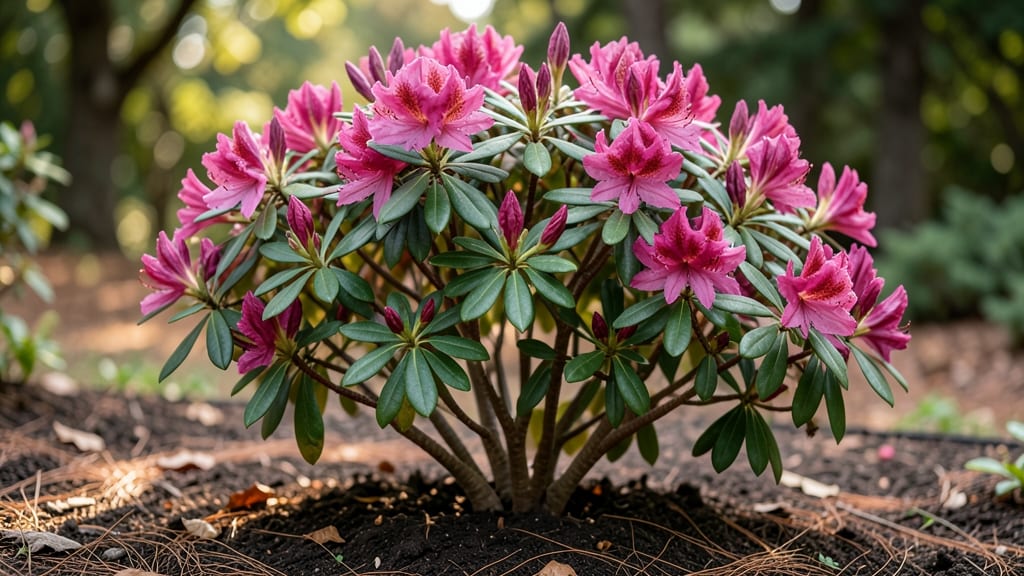
💥 Quick Answer Azaleas are perennials that lose leaves in winter but regrow each spring, thriving in cold climates with proper care. Their dieback is normal, not death, as roots and buds survive underground until warmer…
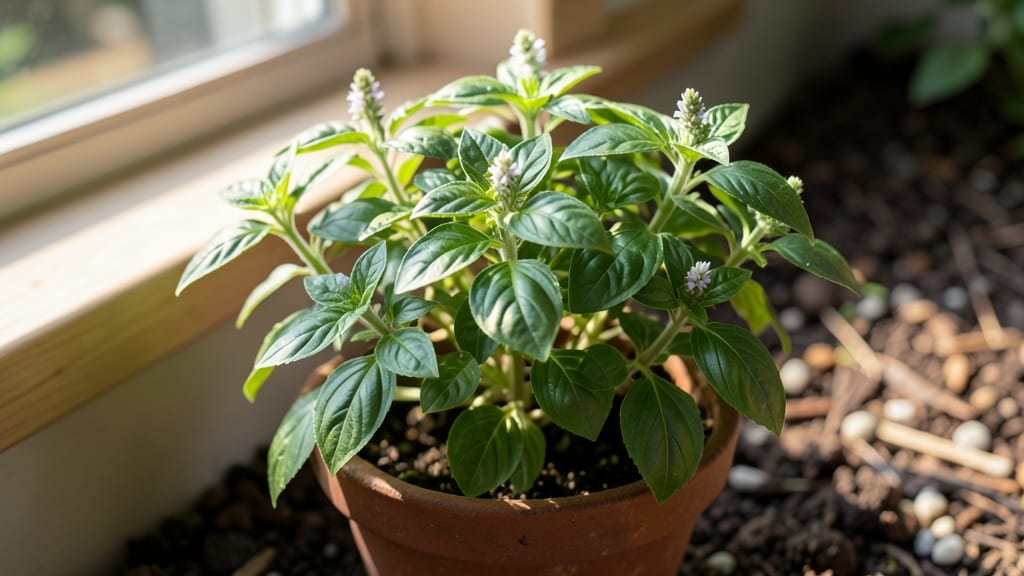
💥 Quick Answer Basil plants are not perennial in most climates, dying back after frost or when temperatures drop below 40°F. However, in USDA zones 10-12, they thrive year-round with proper care, and some gardeners…
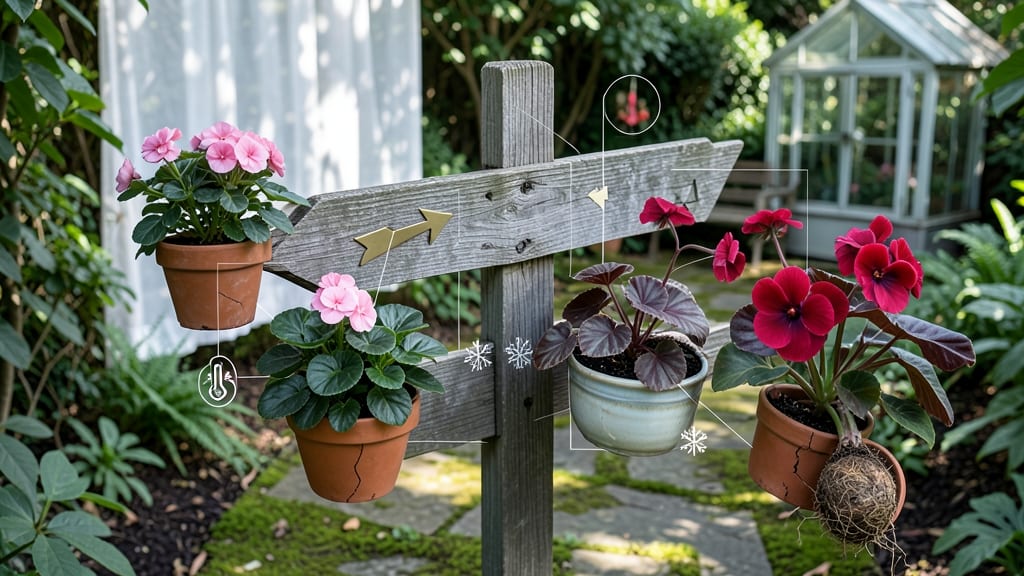
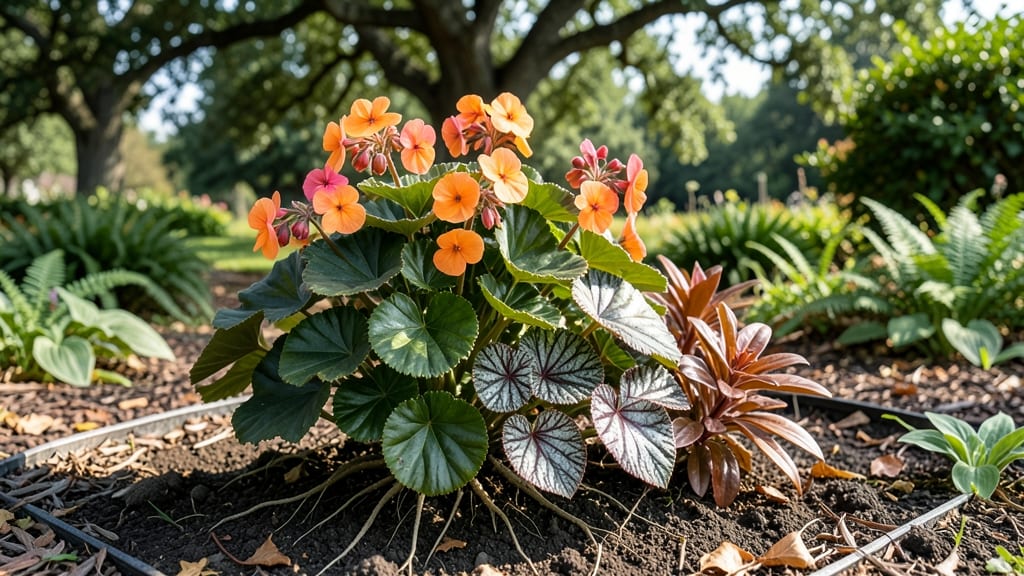
💥 Quick Answer Whether begonias are annuals or perennials depends entirely on your climate—frost kills them, so they thrive as perennials only in warm zones (USDA 8-11). In colder regions, they're grown as annuals, but…
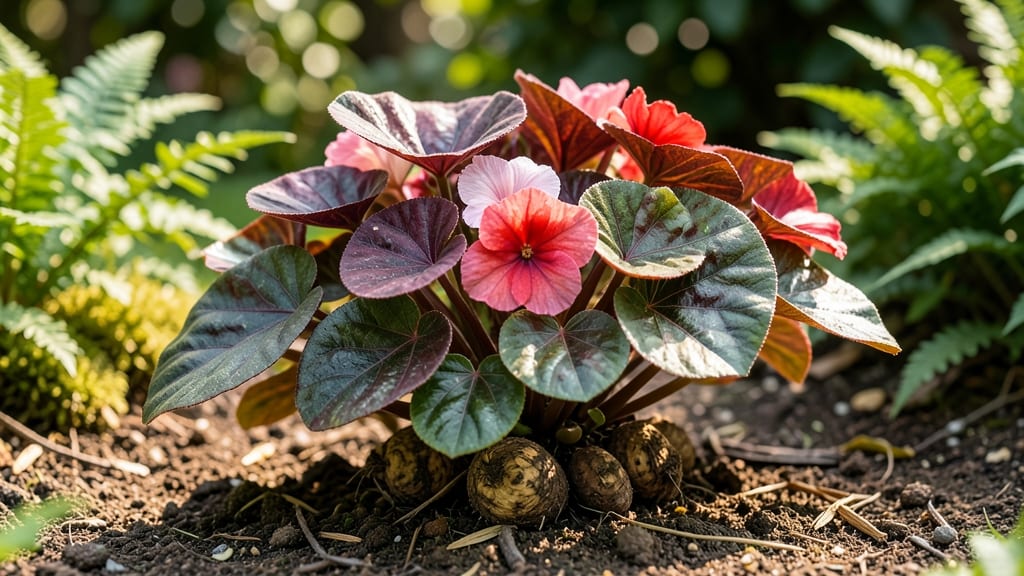
💥 Quick Answer Begonias are perennial flowers in warm climates (USDA Zones 10-12) but die back in cold weather, requiring replanting each year in colder regions. Some varieties, like tuberous begonias, survive winter…
💥 Quick Answer Begonias act as perennials in frost-free regions (USDA Zones 10-12) but behave like annuals in cooler climates, losing foliage each year. Their underground roots or tubers survive winter dormancy when…
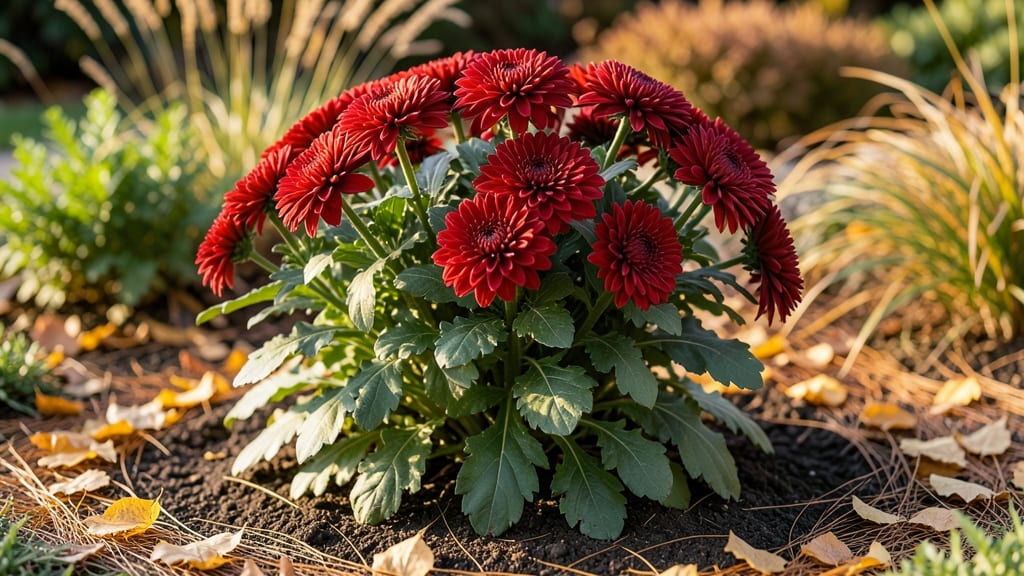
💥 Quick Answer Belgian mums aren't true perennials—they die back completely each winter but may regrow in spring, depending on your climate and care. Their survival rate varies widely, which is why many gardeners plant…
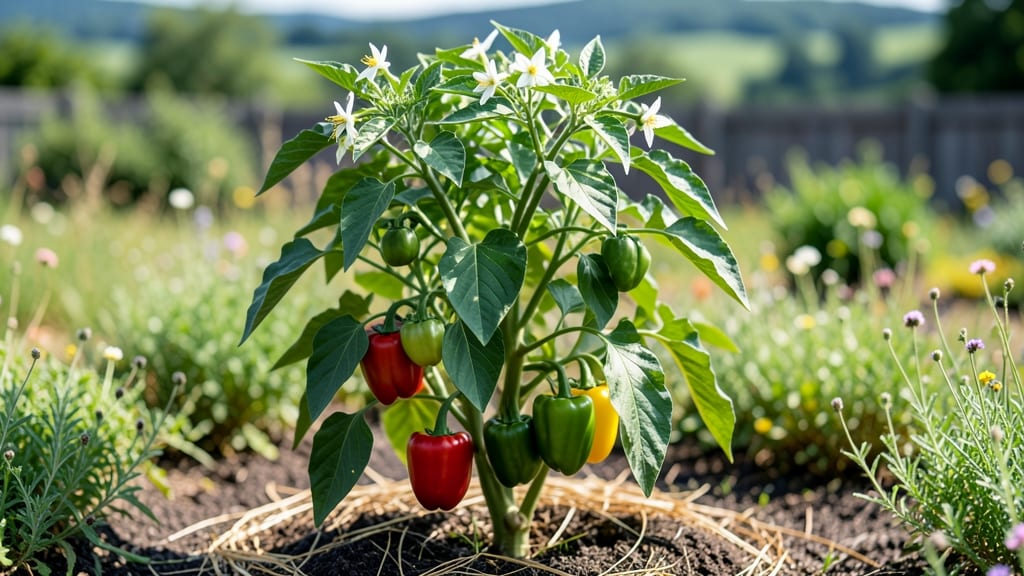
💥 Quick Answer Whether bell peppers are annuals or perennials depends on your climate: they act as annuals in most home gardens because they die after fruiting in one season, but can become perennials in frost-free…
💥 Quick Answer Bells of Ireland are not true perennials—they die back annually after flowering but reseed prolifically, often returning in subsequent seasons. Their self-sowing habit creates clusters, mimicking…
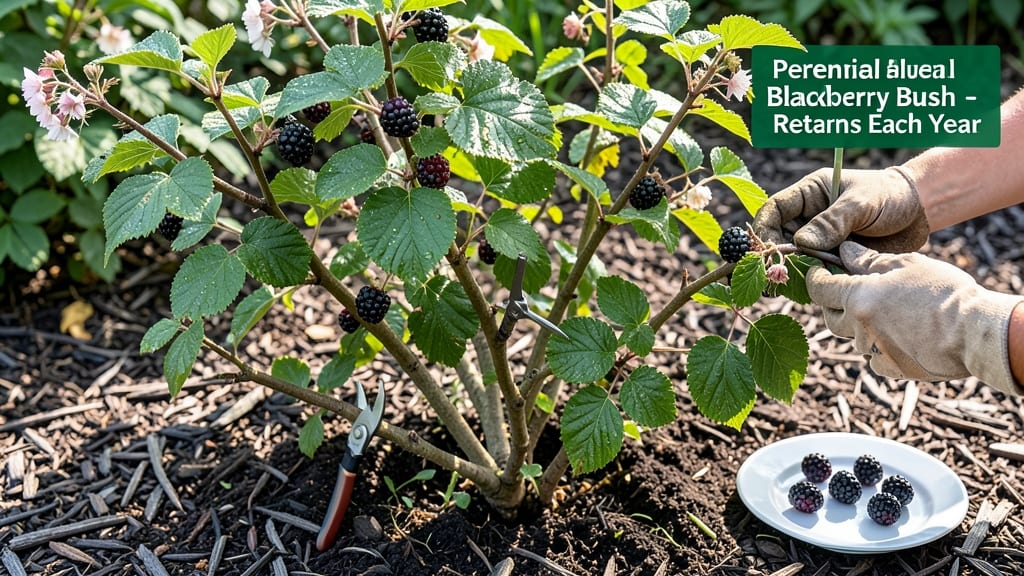
💥 Quick Answer Blackberry bushes are perennial plants that regrow each year from their roots, thriving in USDA zones 5-9 but requiring winter protection in colder climates to survive frost and harsh conditions…
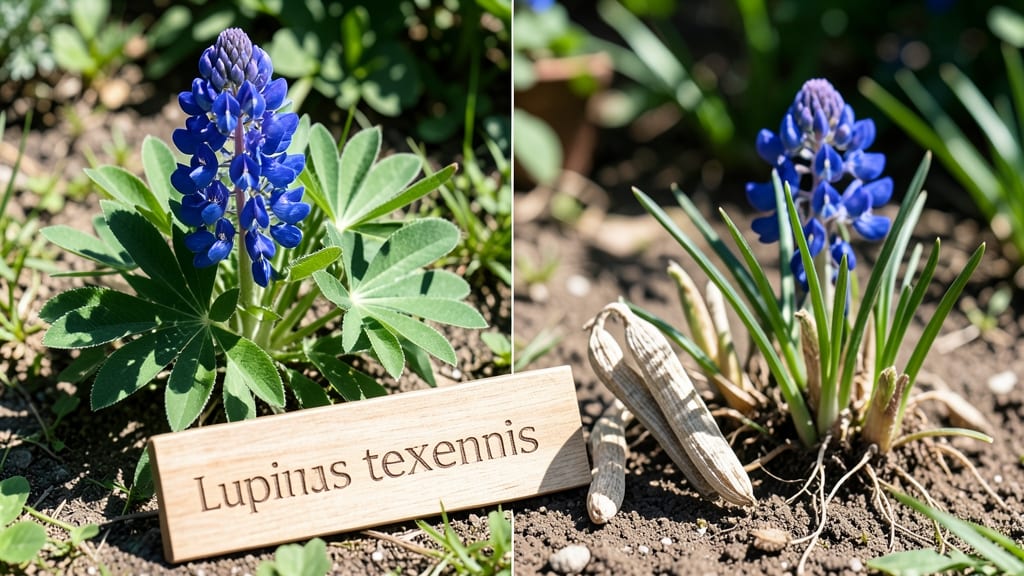
💥 Quick Answer Bluebonnets are perennials in Texas but often behave as annuals because their lifespan typically lasts only 2-3 years before declining from cold sensitivity and natural aging, unless replanted or…