
Orchid Care
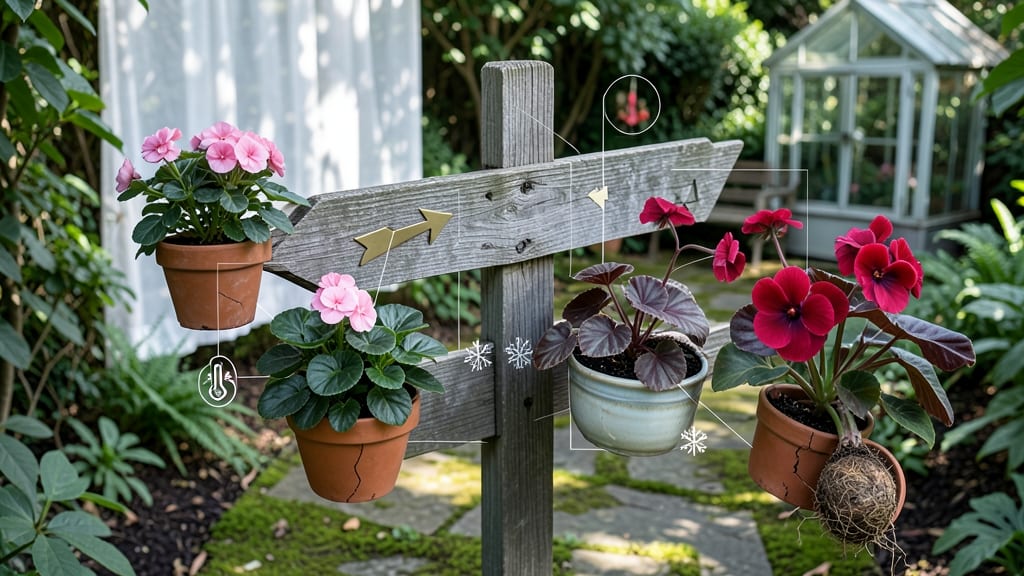
Whether begonias are annuals or perennials depends entirely on your climate—frost kills them, so they thrive as perennials only in warm zones (USDA 8-11). In colder regions, they're grown as annuals, but with proper indoor care, you can extend their lifespan year-round.
Begonias naturally behave as perennials in frost-free environments, where they can regrow season after season from tubers or rhizomes. 🌱 The key difference lies in temperature: below 30°F, their tender leaves and stems freeze, making them die back completely.
However, many gardeners in colder climates save their tuberous varieties by digging them up before frost and storing them indoors until spring. This simple overwintering technique turns what would otherwise be an annual into a long-lived houseplant.
Indoor cultivation also plays a huge role—begonias kept as houseplants can live for years with proper light and humidity. The trick is replicating their natural tropical conditions: bright, indirect light and 50-60% humidity prevent stress.
I've seen tuberous begonias in my collection survive for over a decade with consistent care, proving that their lifespan isn't strictly tied to seasonal cycles when given the right conditions.
💡 In This Article
- Climate Zones and Begonia Survival: Perennial vs. Annual Behavior
- Extending Begonia Lifespan: Overwintering and Indoor Care Tips
Climate zones and begonia survival: perennial vs. annual behavior
The USDA Plant Hardiness Zone map is your best guide to understanding begonia behavior. In zones 8-11, where winter temperatures rarely drop below 10°F, begonias naturally behave as perennials. Their fibrous roots or tubers remain dormant underground during dry periods, then regrow when conditions improve.
This is why you'll find wild begonias thriving in tropical forests—they've evolved to take advantage of consistent warmth and moisture. 🌿
In colder zones (7 and below), the story changes dramatically. When nighttime temperatures fall below 30°F, the tender leaves and stems of most begonia varieties freeze solid, causing irreversible damage.
The plant's cellular structure breaks down from ice crystal formation, which is why even hardy tuberous begonias won't survive outdoors through winter. This frost sensitivity is the primary reason gardeners in these regions treat begonias as annuals—planting them in spring and discarding them after frost kills them in fall.
What's fascinating is how begonias adapt their growth patterns based on climate. In perennial zones, they develop robust underground storage organs (tubers or rhizomes) that can store nutrients for months. These structures contain specialized cells that prevent dehydration during dry seasons.
In contrast, annual begonias in colder climates focus their energy on rapid above-ground growth during the short growing season, producing flowers quickly to maximize reproduction before frost arrives. 🌸
Indoor cultivation bridges this climate gap by creating microclimates. A sunny windowsill or grow light can provide the 60-70°F temperatures begonias prefer, while a humidity tray or pebble tray maintains the 50-60% humidity they crave.
This environment tricks the plant into thinking it's in its native tropical habitat year-round. The result? Begonias kept indoors can live for 5-10 years or more, producing flowers season after season without the annual reset.
Even in colder climates, tuberous begonias offer a middle ground. Their thick, fleshy tubers can survive 40°F temperatures for short periods, which is why many gardeners dig them up before the first frost and store them in 40-50°F conditions (like a garage) until spring.
This simple overwintering technique turns what would be a one-year plant into a perennial that returns year after year with proper care. 🌱
The key takeaway is that begonias aren't inherently annual or perennial—their classification depends entirely on environmental conditions. With the right care, you can extend their lifespan beyond what their native climate would allow, proving that these plants are far more adaptable than their seasonal reputation suggests.
This adaptability is what makes begonias such rewarding plants for gardeners in all climates.