
Orchid Care
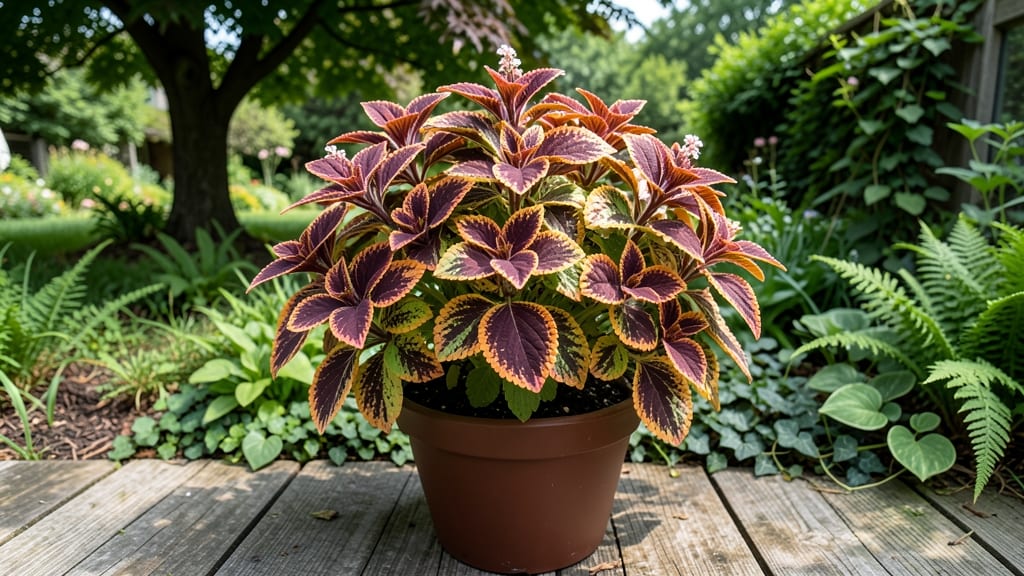
Deciding whether coleus is annual or perennial depends on your climate: it thrives as a perennial only in USDA hardiness zones 10-12, where frost never occurs. In colder regions, it's typically grown as an annual, though overwintering indoors can extend its lifespan.
Coleus (Solenostemon) plants originate from tropical regions, so their frost sensitivity explains why they're treated as annuals in most areas. 🌱 In zones 10-12, where temperatures stay above 30°F year-round, coleus naturally survives multiple growing seasons.
Outside these zones, even light frost can kill the plant, making overwintering indoors the key to keeping them alive past their first year. The secret lies in mimicking their native warm conditions—bright indirect light and consistent moisture levels help prevent stress during dormancy.
For gardeners in colder climates, the decision to overwinter becomes a balancing act between effort and reward. Many choose to propagate cuttings over winter instead, which refreshes the plant and prevents the decline that often comes with prolonged indoor care.
The plant's vibrant foliage makes this extra effort worthwhile for those who want to enjoy their coleus collection year after year.
💡 In This Article
- Why Coleus Dies in Cold Climates
- How to Overwinter Coleus in Cold Regions
Why coleus dies in cold climates
Coleus (Solenostemon) originates from tropical regions of Southeast Asia and Africa, where temperatures rarely drop below 50°F. This tropical heritage means its cells lack the antifreeze proteins found in cold-hardy plants like pansies or chrysanthemums.
When exposed to 32°F or lower, coleus cells rupture due to ice crystal formation, a process called freeze-thaw damage. The plant's thin, tender leaves and stems simply can't withstand the cellular dehydration that occurs during frost.
The critical threshold is 30°F—below this, even brief exposure can kill coleus. In USDA hardiness zones 10-12, where winter lows stay above 30°F, coleus naturally enters a dormant state rather than dying.
The plant's growth slows dramatically but doesn't shut down completely, allowing it to rebound when warmer weather returns.
This is why you'll see coleus thriving as perennials in Hawaii or Southern California, where frost is virtually unknown. 🌿 The plant's ability to survive multiple seasons in these zones stems from its evolved tolerance for warm climates without extreme temperature fluctuations.
What makes coleus particularly vulnerable is its high water content in leaves—up to 85%—which expands when frozen. This expansion tears cell walls, leading to brown, mushy foliage within hours of frost exposure. Unlike woody perennials that can regrow from protected roots, coleus has no such resilience.
Even a light frost can cause irreversible damage to the entire plant structure, explaining why gardeners in colder zones must treat it as an annual unless they take special overwintering measures.
The plant's native tropical environment also means it lacks the protective mechanisms of cold-hardy species. For example, many temperate plants produce antioxidant compounds that protect cellular membranes during cold snaps, while coleus has none.
Instead, it relies on consistent warmth to maintain its vibrant foliage colors—colors that actually fade when exposed to temperatures below 60°F for prolonged periods. This physiological limitation makes coleus a true tropical diva in terms of temperature requirements.
Here's the science behind its zone-specific survival: In zones 10-12, coleus experiences no true winter—just a mild seasonal slowdown. The plant's metabolic rate drops but doesn't stop, allowing it to conserve energy while maintaining cellular integrity.
In contrast, zones 7-9 experience occasional frosts that can push temperatures below 28°F, which is lethal. This explains why even experienced gardeners in these zones often treat coleus as annuals despite their best efforts to protect it.
Interestingly, coleus' sensitivity extends beyond just frost. Even 40°F nighttime temperatures can cause stunted growth and leaf drop over time.
This is why gardeners in marginal zones (like parts of Zone 9) must either grow coleus in containers for winter protection or accept that their plants will likely not survive the season outdoors.
The plant's inability to adapt to cooler climates makes it a perfect example of why tropical species struggle in temperate gardens without human intervention. 🌡️