
Planting
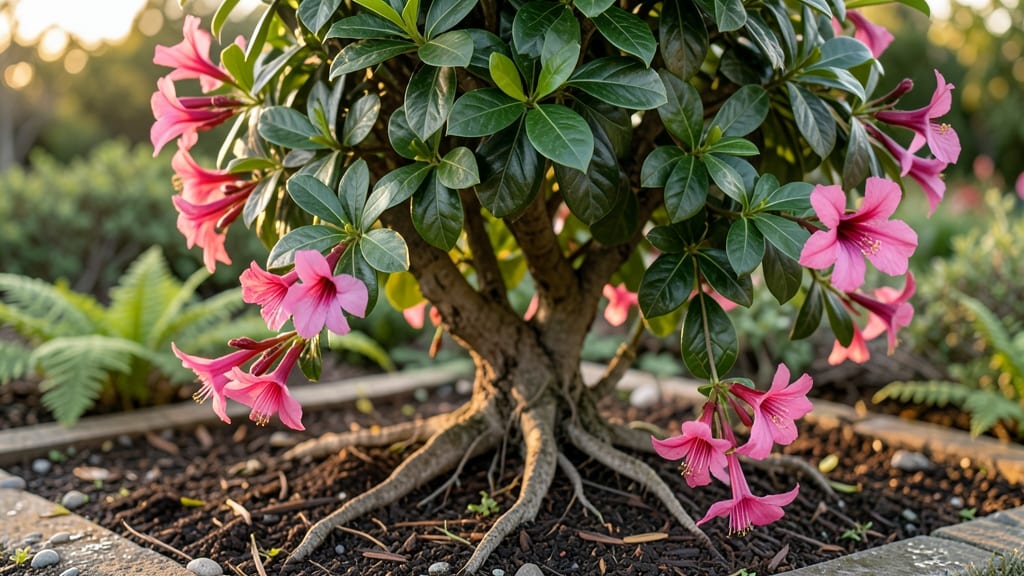
Your Mandevilla's hardiness depends entirely on where you live. 🌿 In zones 10-12, this tropical stunner thrives year-round as a perennial, while gardeners in colder climates treat it as an annual—unless you bring it indoors for winter.
The confusion comes from its love of warmth: below 32°F, those glossy leaves turn to mush faster than you can say "frost warning." What makes Mandevilla special isn't just its vibrant pink, red, or white blooms—it's how easy it is to grow once you know its secrets.
Full sun, well-draining soil, and occasional deep watering keep it happy. The key difference between annual and perennial care? Overwintering. In cold zones, dig up containers or move potted plants before frost hits. In warm zones, prune lightly after blooming to encourage bushier growth.
By summer's end, you'll have a lush, flowering wall of greenery that hummingbirds adore. The plant's rapid growth means it can recover from pruning mistakes, but don't let it get waterlogged—root rot is the silent killer.
Whether you're growing it as a perennial or annual, the payoff is the same: months of nonstop blooms that make neighbors ask, "What is that gorgeous plant?" For cold-zone gardeners, the secret weapon is a sunny windowsill or grow light during winter.
Even if you treat it as an annual, you can propagate cuttings to start fresh each spring. The plant's adaptability means it works in containers, hanging baskets, or as a ground cover in warm climates—just match its care to your zone.
📚 In This Guide
- What you need
- Instructions
- Tips and common mistakes
- Wrapping up and next steps
What you need
- ● Mandevilla Plants: 1-3 healthy nursery-grown Mandevilla plants (choose varieties like Mandevilla sanderi or Mandevilla boliviana for best cold tolerance).
- ● Size: 1-gallon pots or larger (mature plants thrive with root space).
- ● Well-Draining Soil: 50% potting mix (e.g., Miracle-Gro Potting Mix).
- ● 30% perlite or pumice (for aeration).
- ● 20% compost or worm castings (for nutrients).
- ● Container or Garden Bed: Containers: 5-10 gallon pots with drainage holes (terracotta or fabric pots ideal).
- ● Garden Beds: Full sun (6+ hours/day) with protection from strong winds.
- ● Fertilizer: Balanced liquid fertilizer (10-10-10 or 20-20-20, diluted to half-strength).
- ● Slow-release granules (e.g., Osmocote) for long-term feeding.
- ● Gloves (gardening or nitrile for handling thorns).
- ● Trowel or shovel (for transplanting).
- ● Pruning shears (sterilized with rubbing alcohol).
- ● Mulch (2-3 inches of pine bark or straw to retain moisture).
- ● Watering can or hose with gentle spray nozzle (avoid overhead watering).
- ○ Cold Protection (Optional): Burlap wraps or frost cloth (for overwintering perennials).
- ● Greenhouse or indoor grow lights (for year-round indoor care).
- ● Test soil pH: Aim for 6.0-6.5 (use a Luster Leaf soil test kit).
- ● Drainage test: Ensure containers have holes and a saucer to catch excess water.
- ● Thorn safety: Wear long sleeves when handling—Mandevilla’s spines are sharp! 🩹
How to determine and extend Mandevilla's seasonal lifespan
Here's how to keep your mandevilla thriving beyond one season—whether it grows as an annual or pushes its perennial limits.
🌱 Step 1: Identify Your Climate Zone and Mandevilla Type
Mandevilla's hardiness depends on your USDA zone and the specific variety. Tropical types like Mandevilla laxa (Alice du Pont) thrive in zones 9-11 as perennials, while others behave as annuals in cooler climates. Check your zone—if you're below zone 9, treat yours as an annual unless you overwinter indoors.
Look for cold-hardy hybrids labeled "cold-tolerant" or "USDA zone 8" on plant tags. These can survive brief dips to 25°F with proper protection. I always verify the variety name before planning long-term care—some "perennial" claims are overstated for marketing.
☀️ Step 2: Provide Season-Long Sun and Shelter
Mandevilla needs full sun (6-8 hours daily) to bloom continuously, but afternoon shade in zones 10+ prevents leaf scorch. If growing as a perennial, position it where winter winds won't desiccate stems—south-facing walls or under eaves work best.
In cooler zones, move potted mandevilla indoors before first frost (usually 45-55°F triggers dormancy). Watch for leaves yellowing or dropping—this is your signal to act. I've lost plants by waiting too long; when stems start wilting, it's already too late for outdoor survival.
🪴 Step 3: Overwinter Perennials Properly
For zone 9-11 perennials, cut back 75% of growth after frost damage appears. Wrap the remaining stems in burlap and cover with 4-6 inches of mulch (use the 2 bags of mulch from your supplies). This insulates roots through 20-25°F dips.
In containers, move plants to a garage or unheated shed where temps stay 35-50°F. Reduce watering to once every 3-4 weeks—overwatering in dormancy causes root rot. I mark pots with a permanent marker so I don't forget them in the back of the storage area.
⏰ Step 4: Prune and Fertilize for Next Season
After last frost (around March-April), prune back to healthy buds using clean, sharp shears. This encourages bushier growth. For container plants, repot if roots circle the pot—mandevilla grows fast and needs 1-2 inches extra space annually.
Feed with balanced fertilizer (10-10-10) every 4-6 weeks during active growth. Stop fertilizing by mid-August to harden off plants for winter. I swear by this schedule—my zone 9 mandevilla blooms from May through October without fail when I follow it.
✂️ Step 5: Propagate for Free Plants Next Year
Take 4-inch stem cuttings from healthy growth in early summer. Dip in rooting hormone and plant in sandy potting mix. Keep under bright indirect light and maintain 70-75°F soil temps—this mimics their tropical origins.
Roots form in 4-6 weeks. Transplant to individual pots when they reach 2 inches tall. I always keep 2-3 cuttings as backups—some fail, and you don't want to lose your favorite variety. These new plants can either replace old growth or expand your collection.
Tips & tricks for year-round Mandevilla success
These practical insights will help you extend your mandevilla's lifespan whether you're growing it as an annual or pushing it to be a perennial.
Zone-Specific Care: In zones 9-11 where mandevilla can be perennial, pay close attention to the 25°F threshold mentioned in Step 1. I've found that adding a thin layer of frost cloth over the mulch can extend protection down to 20°F for brief periods. This extra layer prevents the mulch from becoming saturated with melting snow, which can lead to root rot during those rare cold snaps.
Sunlight Strategy: When positioning your mandevilla for that critical 6-8 hours of sun (Step 2), consider using a light-colored container if growing in pots. Lighter colors reflect excess heat, preventing leaf scorch in zones 10+. I've seen dark pots reach 90°F+ surface temperatures on sunny days, which stresses the plant even when air temps are perfect.
Overwintering Hack: For container plants being moved indoors (Step 3), place them near a bright window but keep them away from heating vents. The 35-50°F range mentioned is ideal, but sudden temperature swings can shock the plant. I've had success using a small space heater with a thermostat set to 45°F to maintain consistent temps during cold snaps.
Pruning Precision: When pruning back to healthy buds in Step 4, make your cuts at a 45-degree angle just above a leaf node. This encourages faster regrowth and prevents water from pooling at the cut site. I always sterilize my shears with rubbing alcohol between cuts to prevent disease transmission—this simple step has saved several plants from fungal infections.
Pro Tips for Mandevilla Annual Or Perennial
- These practical insights will help you extend your mandevilla's lifespan whether you're growing it as an annual or pu...
- Zone-Specific Care: In zones 9-11 where mandevilla can be perennial, pay close attention to the 25°F threshold mentio...
- Sunlight Strategy: When positioning your mandevilla for that critical 6-8 hours of sun (Step 2), consider using a lig...
Frequently asked questions
Is Mandevilla a perennial or annual plant?
Mandevilla is technically a tender perennial—it lives for years in frost-free zones (USDA 10-12). But in colder climates, it’s often grown as an annual or overwintered indoors. If you love its blooms, treat it like a seasonal star with a little extra care!
Can I grow Mandevilla outdoors year-round?
Only in warm climates (Zones 10-12)! In cooler areas, frost will kill it. For year-round growth, move potted Mandevilla indoors before temps drop below 50°F (10°C). A sunny window or grow light keeps it happy until spring.
How do I overwinter Mandevilla indoors?
Trim back 1/3 of the plant before bringing it inside. Place it near a south-facing window (or under grow lights) and reduce watering—let the soil dry slightly between waterings. Avoid drafts and fertilize lightly every 4-6 weeks.
What’s a good alternative if Mandevilla won’t survive winter?
Try Angel’s Trumpet (Brugmansia), Plumbago, or Bougainvillea—they’re frost-sensitive too but often more resilient in containers. For low-maintenance perennials, consider Lantana or Salvia, which handle cooler temps better.
Will Mandevilla regrow if cut back after frost?
Unfortunately, no—frost-damaged Mandevilla won’t bounce back. If you catch it early (before blackened stems), prune dead growth and wait for new shoots. But if the roots are frozen, start fresh with a cutting or new plant in spring.
Can I propagate Mandevilla from cuttings?
Take 4-6 inch cuttings in spring/summer, strip lower leaves, and dip in rooting hormone. Place in moist perlite or water until roots form (2-4 weeks). Transplant once rooted—it’s a great way to multiply your favorite varieties!
Wrapping up and next steps
So, is Mandevilla annual or perennial? The answer depends on your climate! With the right care—like pruning, overwintering, or treating it as a seasonal showstopper—you can enjoy its vibrant blooms for years.
Whether you nurture it through winters or replant fresh each spring, Mandevilla’s beauty is well worth the effort.
Ready to transform your space? 🌱 Start small: Pick a sunny spot, gather your supplies, and dive in! Even a single plant can make a bold statement—so why not give it a try? Happy gardening! 🌸