
Watering
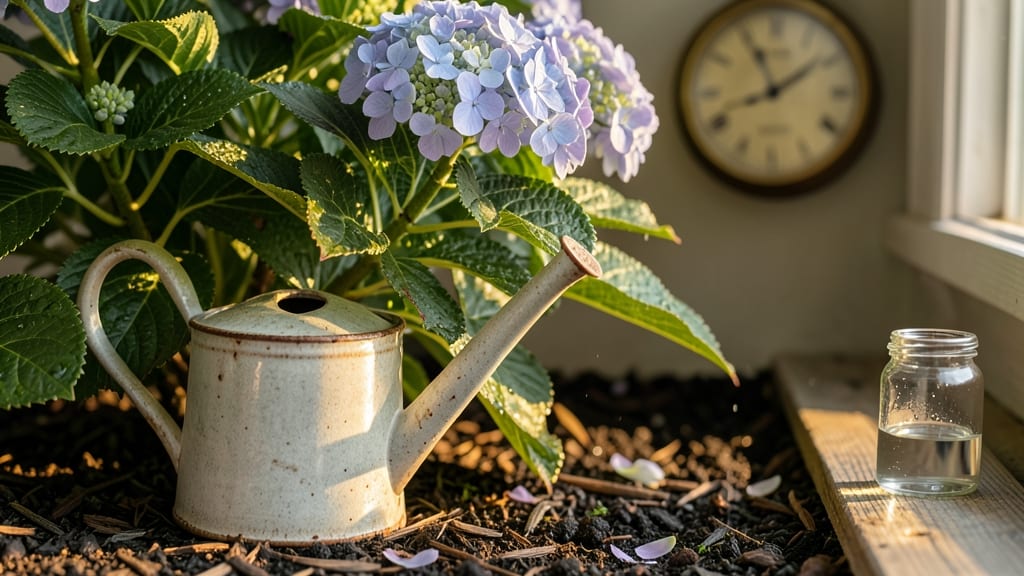
It is okay to water plants in the evening for most species, but it carries risks like fungal growth from lingering moisture and slower evaporation in cooler night air. For best results, water in early morning or late afternoon, and avoid overwatering sensitive plants like succulents or orchids.
Evening watering might seem harmless, but the combination of cooler nighttime temperatures and reduced sunlight slows evaporation, leaving plant foliage damp longer. 🌙 This creates the perfect conditions for fungal diseases like powdery mildew, which thrives in humid environments.
The good news? Some tropical plants actually benefit from evening watering because they naturally thrive in higher humidity. For most gardeners, though, sticking to morning watering gives moisture time to absorb before the heat of the day kicks in.
If you must water in the evening, focus on the base of the plant rather than the leaves to minimize fungal risks. 💧 Drip irrigation systems are ideal for this because they deliver water slowly and directly to the roots, reducing surface moisture.
For sensitive plants like succulents or cacti, evening watering is a definite no-go—they need time to dry out completely to prevent rot. Always check your specific plant's needs before setting a watering schedule.
💡 In This Article
- Why Evening Watering Can Harm or Help Your Plants
- Best Evening Watering Practices for Different Plant Types
Why evening watering can harm or help your plants
The core issue with evening watering lies in how plants interact with moisture when temperatures drop. Cooler night air slows evaporation by 30-50% compared to daytime, leaving foliage damp for hours.
This creates a humid microclimate that fungal spores—like those causing powdery mildew—love to exploit. 🌱 The spores land on wet surfaces and germinate within 6-12 hours, especially when nighttime temperatures hover between 50-70°F, the sweet spot for fungal growth.
However, this isn't a universal rule. Tropical plants actually thrive with evening watering because their natural habitats maintain high humidity year-round. Take a monstera deliciosa—its large leaves benefit from nighttime moisture since they mimic the consistent humidity of its rainforest origins. The key difference?
Tropical plants have evolved to handle moisture retention, while desert-adapted species like aloe vera or sedum would develop root rot if watered after sunset. The root zone of succulents stays damp for 24+ hours in cooler nights, creating anaerobic conditions that suffocate roots.
Evening watering also affects soil temperature dynamics. When you water at night, the soil cools faster because it loses heat to the atmosphere without sunlight to offset it.
This can shock root systems, particularly for young seedlings or tender perennials. 🌡️ For example, a tomato plant watered at 8 PM in 65°F air will have soil temperatures drop 5-10°F lower by morning compared to morning-watered plants.
The cold shock can stunt growth or trigger early flowering in some species.
Humidity retention isn't the only factor—wind patterns matter too. Evening watering in still air creates a stagnant moisture layer near the soil, while morning watering benefits from daytime breezes that disperse excess humidity.
In urban gardens, this effect is amplified by the "urban heat island" effect, where concrete surfaces trap heat and slow evaporation even more at night. A rosemary bush watered at 7 PM in a city garden might stay damp for 18 hours versus just 6 hours in a rural setting.
There's a silver lining for evening waterers: the root zone hydration advantage. When you water at night, roots have uninterrupted time to absorb moisture before daytime transpiration kicks in. This is particularly beneficial for deep-rooted perennials like lavender or asparagus, which need consistent moisture at their root level.
The trick is to water deeply but infrequently—aiming for 1-2 inches of soil moisture at 6-8 inches depth—rather than light surface watering that only wets the top layer.
For gardeners who must water in the evening, timing is everything. The two-hour rule applies: finish watering at least 2 hours before sunset to allow some evaporation. Pair this with drip irrigation (which delivers 0.5-1 gallon per hour) to minimize surface moisture.
And always check your plant's native habitat—if it grows in arid conditions, evening watering is a recipe for disaster. 🌵