
Blooming
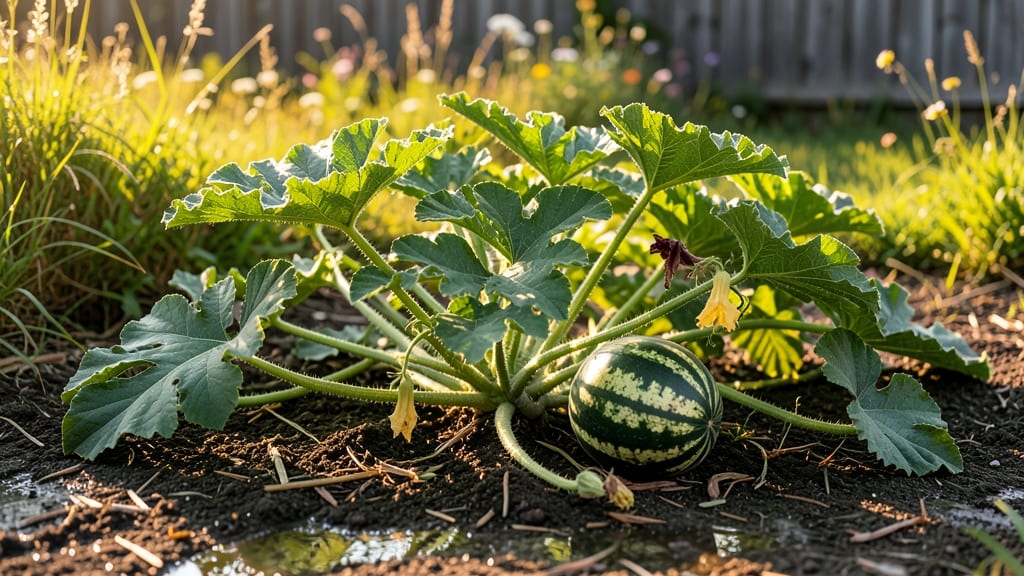
How long watermelon lasts depends on whether it's cut or whole: sliced watermelon keeps 3 to 7 days in the fridge, while whole watermelons stay fresh for 1 to 2 weeks at room temperature or up to 2 months in a cool, dry pantry. Smart storage choices make all the difference.
Watermelon freshness hinges on two key factors: moisture retention and temperature control.
Once you slice into a watermelon, the exposed flesh loses moisture rapidly, which is why refrigeration becomes critical. 🥝 Whole watermelons fare better at room temperature because their rind acts as a natural barrier, but even then, humidity levels in your storage space play a surprisingly big role—too dry, and the rind cracks; too damp, and mold risks rise.
I've found that storing whole watermelons in a well-ventilated area (like a pantry) with a slightly damp towel over them can actually extend their shelf life by nearly a week compared to dry storage.
For cut watermelon, the fridge's humidity and consistent temperature are your best friends. Wrapping slices in plastic wrap or storing them in airtight containers prevents oxidation and slows down bacterial growth.
Pro tip: If you notice the watermelon's surface turning slimy or developing soft spots, it's time to toss it—these are clear signs the breakdown process has begun. The good news?
With the right storage approach, you can enjoy watermelon's juicy sweetness for weeks, whether it's in whole form or ready-to-eat slices.
💡 In This Article
- Watermelon Shelf Life Factors: Why Freshness Varies
- Optimal Watermelon Storage Methods for Maximum Freshness
Watermelon shelf life factors: why freshness varies
The key difference between whole and cut watermelon freshness comes down to two biological processes: moisture evaporation and enzymatic activity. Whole watermelons have their protective rind intact, which slows down water loss and microbial invasion.
The rind acts like a natural barrier, maintaining the fruit's internal humidity at around 90-95%—similar to a cucumber's skin. Once cut, however, the exposed flesh loses moisture at an alarming rate of about 0.5% per hour at room temperature, accelerating spoilage.
Temperature control is equally critical because watermelon contains natural enzymes that break down its structure over time.
At 70°F (21°C), these enzymes work optimally, causing the fruit's texture to soften and its sugars to convert into simpler compounds that attract bacteria. 🥝 Refrigeration at 35-40°F (2-4°C) slows these enzymes by up to 70%, which is why cut watermelon lasts longer in the fridge.
Interestingly, whole watermelons stored at 50-55°F (10-13°C)—like in a cool pantry—maintain their firmness best because this range minimizes both enzyme activity and moisture loss without causing chilling injury.
Humidity plays a surprising role too. Watermelons thrive in environments with 85-90% relative humidity. In dry conditions (below 70% humidity), the rind can crack within 3-5 days, creating entry points for mold. Conversely, overly humid storage (above 95% humidity) promotes bacterial growth on the surface.
This is why wrapping whole watermelons in a slightly damp towel—rather than plastic—can extend their life by maintaining that ideal humidity balance near the fruit.
Ripeness at purchase also makes a difference. Overripe watermelons (with soft spots or fermented odors) spoil 30-50% faster than properly ripe ones because their cell walls are already breaking down.
I've noticed that watermelons with a yellow spot on the rind (where they rested on the ground) tend to last longer than those with bruises, as the ground contact often indicates natural ripening rather than physical damage.
The color of the rind stem also matters: a dry, brown stem suggests the watermelon was picked ripe, while a green stem means it needs more time to ripen after harvest.
Microbial growth is the final factor. Cut watermelon's surface area increases dramatically, giving bacteria like Pseudomonas and Lactobacillus more space to colonize. These microbes thrive in the fruit's natural sugars, turning it slimy within 24-48 hours if not refrigerated.
That's why storing cut watermelon in airtight containers with paper towels (to absorb excess moisture) can extend its life by 2-3 days compared to open storage.
Here's what happens when you ignore these factors: A whole watermelon left at 75°F (24°C) with 60% humidity will develop mold in 5-7 days, while the same watermelon stored at 55°F (13°C) with 85% humidity might last 3 weeks.
The difference comes down to controlling these four variables: temperature, humidity, surface exposure, and initial ripeness.