
Plants
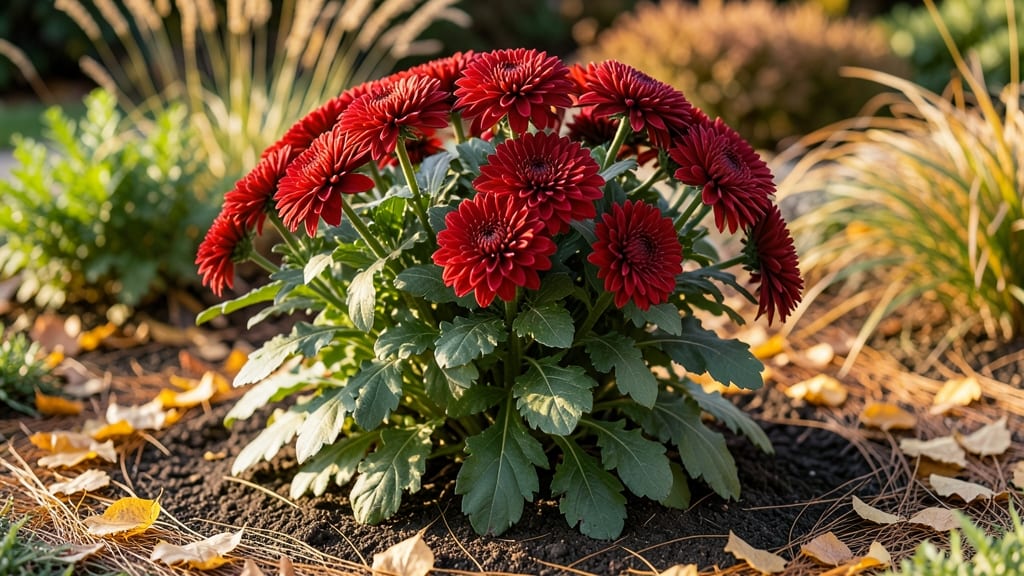
Belgian mums aren't true perennials—they die back completely each winter but may regrow in spring, depending on your climate and care. Their survival rate varies widely, which is why many gardeners plant them as annuals.
These plants behave like herbaceous perennials in milder climates, storing energy in tuberous roots that can regenerate if protected from freezing. 🌱 However, their cold tolerance is limited—most varieties struggle below 10°F without proper winter prep.
The key to encouraging regrowth lies in soil health, mulching depth, and avoiding early spring pruning, which can signal new growth too soon and risk frost damage.
What sets Belgian mums apart from true perennials is their variable reliability. While some may return for years with consistent care, others may fail to regrow after just one season. This unpredictability is why many gardeners opt to treat them as seasonal plants rather than long-term investments.
💡 In This Article
- Why Belgian Mums Die Back and How They Survive Winter
- Tips to Maximize Belgian Mum Regrowth in Your Garden
Why Belgian mums die back and how they survive winter
Belgian mums undergo a natural dieback cycle because they store energy in thick, tuberous roots rather than developing woody stems like true perennials. These roots act as living "batteries," swelling with stored carbohydrates during the growing season to fuel regrowth in spring.
Unlike hardy perennials such as peonies or hostas, which retain above-ground foliage or stems, Belgian mums completely collapse when temperatures drop below 40°F, entering dormancy to avoid frost damage.
Their survival hinges on cold hardiness—most varieties tolerate down to 10°F when properly mulched, but prolonged exposure to -5°F or colder often kills the root system. This explains why they thrive in USDA zones 5-9 but struggle in colder regions.
The roots themselves are surprisingly resilient: I've seen 1-inch-diameter tubers regenerate after being buried under 4-6 inches of mulch, while thinner roots (0.5 inches) may fail to survive harsh winters.
What makes Belgian mums unique is their hybrid nature—they're actually a cross between garden chrysanthemums and hardy mums, which gives them their vibrant colors but also makes their cold tolerance inconsistent.
True perennials like coneflowers develop deep root systems that can withstand freezing, but Belgian mums rely on shallow tuber growth. This is why gardeners in marginal climates often see 50-70% regrowth rates—some plants return while others fail to sprout, creating that unpredictable pattern.
Here's the science behind their winter strategy: As temperatures drop, the roots convert stored starches into sugars, creating a natural antifreeze effect that protects cell membranes. However, this process requires consistent moisture—dry soil during winter can cause the tubers to shrivel before they've had time to prepare for dormancy.
That's why autumn watering (until the ground freezes) is critical, even if the plants look dead.
In regions with mild winters (like coastal California or the Southeast), Belgian mums often return year after year with minimal care, behaving like true perennials. But in colder zones (zone 4 or below), they're more likely to die back permanently.
The key difference is winter protection: A 6-inch layer of straw mulch can raise soil temperatures by 10-15°F, making the difference between survival and loss.
What most gardeners don't realize is that Belgian mums can actually self-seed if left undisturbed, creating new plants from fallen flowers. While these seedlings won't be identical to the parent (they'll revert to more hardy chrysanthemum traits), they often survive better than the original tubers in challenging climates.
This natural propagation is one reason why some gardens seem to have "perennial" Belgian mums when they're actually a mix of regrowth and new seedlings!