
Plants
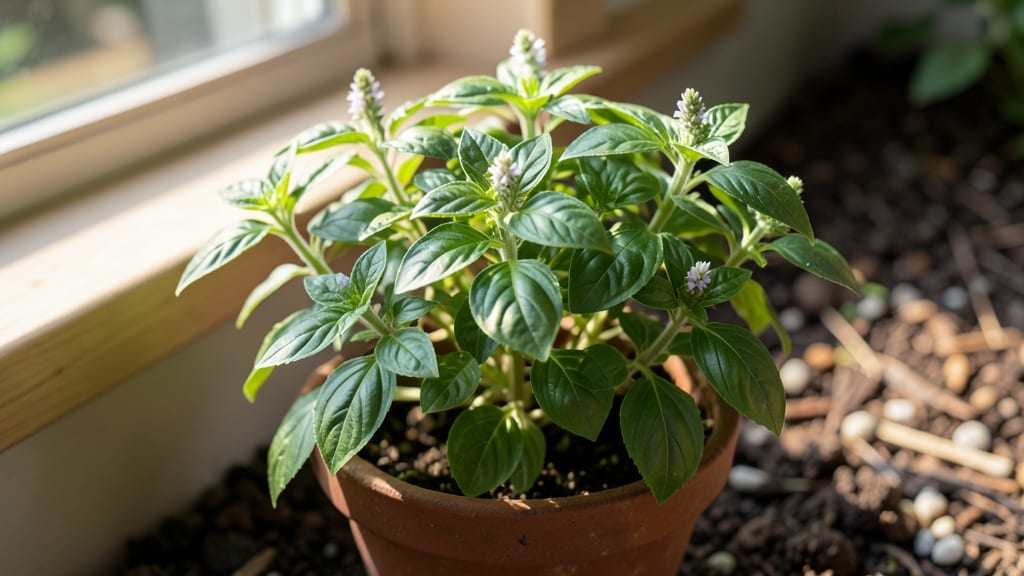
Basil plants are not perennial in most climates, dying back after frost or when temperatures drop below 40°F. However, in USDA zones 10-12, they thrive year-round with proper care, and some gardeners overwinter potted basil indoors in cooler regions.
Basil's tropical origins explain why it struggles with cold—its delicate stems can't handle frost or temperatures below 40°F. 🌱 Unlike hardy herbs such as mint or oregano, basil's growth cycle resets each spring unless you take action.
In warmer zones (10-12), basil naturally persists, but gardeners in cooler areas must get creative with container growing or indoor overwintering to preserve their plants. The key difference lies in basil's sensitivity to temperature shifts, which triggers dormancy or death in most regions.
For those outside warm climates, overwintering potted basil is the best way to extend its life. Move plants indoors before the first frost, place them near a sunny window, and prune regularly to encourage bushier growth.
With proper care, you can enjoy fresh basil year-round, even in colder zones. The trick is mimicking its natural tropical environment as closely as possible while adapting to your home's conditions.
💡 In This Article
- Why Basil Dies in Cold Climates: Freeze Sensitivity Explained
- How to Extend Basil’s Life: Overwintering and Year-Round Growth Hacks
Why basil dies in cold climates: freeze sensitivity explained
Basil's tropical heritage makes it extremely sensitive to cold—its thin, delicate stems can't withstand freezing temperatures. 🌿 Unlike hardy perennials like mint or oregano, which survive winter dormancy with temperatures down to 0°F, basil's cell structure begins breaking down when exposed to frost.
The plant's native habitat in warm climates means its biological processes shut down completely when temperatures dip below 40°F, triggering irreversible damage within hours.
The real damage happens at the cellular level. Basil's leaves contain high moisture content (about 85-90%), which freezes and ruptures cell walls when exposed to frost.
This causes the leaves to turn black and mushy, while the stems become brittle and snap easily. 🌡️ Even without frost, prolonged exposure to temperatures below 50°F weakens the plant, reducing its ability to photosynthesize effectively. Compare this to oregano, which can handle -10°F temperatures with proper mulching.
What most gardeners don't realize is how quickly basil declines after cold exposure. Within 24-48 hours of temperatures dropping below 40°F, the plant's metabolic processes slow dramatically. The chlorophyll begins degrading, turning leaves yellow before they eventually blacken.
This process accelerates in windy conditions, where cold air increases moisture loss through transpiration, dehydrating the plant faster.
The key difference between basil and true perennials lies in their growth strategies. Perennials like rosemary or thyme have developed thick, woody stems and deep root systems that store nutrients for regrowth.
Basil, however, relies on rapid, tender growth optimized for warm seasons. Its shallow root system (6-12 inches deep) can't access deep moisture or insulation during cold snaps, making it particularly vulnerable.
Even in marginally cold-hardy zones (7-9), basil's survival depends on microclimates. A south-facing wall or greenhouse can create pockets where temperatures stay 10-15°F warmer than ambient air, potentially allowing basil to survive light frosts.
However, most gardeners in these zones still lose their plants without protective measures. The plant's inability to acclimate to cold makes it fundamentally different from true perennials that gradually harden off in autumn.