
Orchid Care
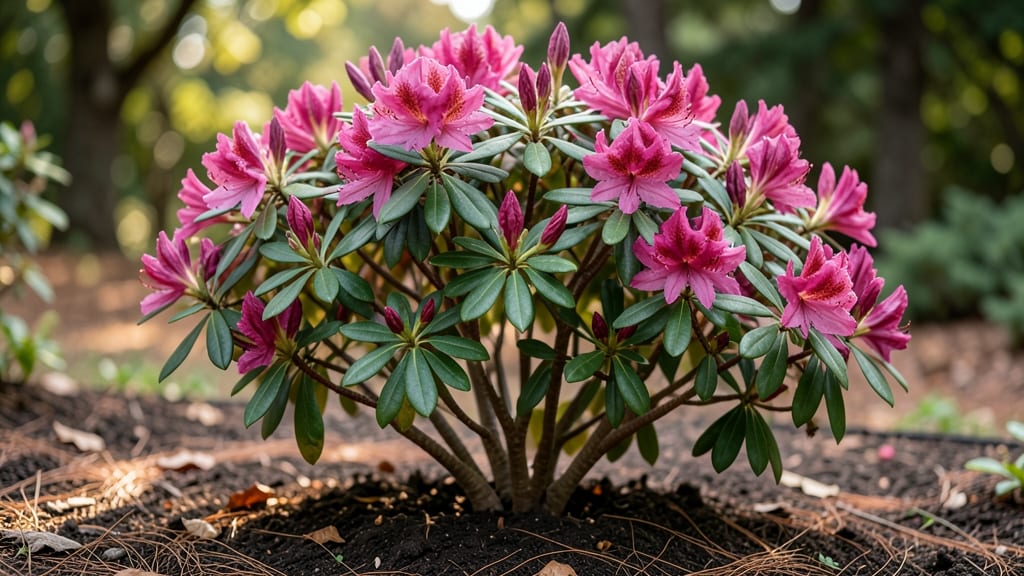
Azaleas are perennials that lose leaves in winter but regrow each spring, thriving in cold climates with proper care. Their dieback is normal, not death, as roots and buds survive underground until warmer temperatures return.
Azaleas might look dead in winter, but their underground survival system is what makes them true perennials. 🌱 Unlike annuals that die completely, these shrubs go dormant—shedding leaves to conserve energy while their roots and buds stay alive beneath the soil.
This cold-hardy behavior explains why they bounce back every spring with fresh foliage and vibrant blooms, especially when given the right winter care like proper mulching and protection from harsh winds.
What's fascinating is how different azalea varieties handle winter differently. Some, like the Exbury hybrids, can survive down to -20°F, while others need protection in colder zones.
I've seen firsthand how a well-mulched azalea will push out new growth weeks before its neighbors, proving that their winter "death" is just a clever survival strategy.
💡 In This Article
- Why Azaleas Appear Dead in Winter (And Why They Regrow)
- Cold-Hardy Azalea Varieties for Year-Round Gardens
Why azaleas appear dead in winter (and why they regrow)
Azaleas enter a state called dormancy during winter, where they deliberately shed leaves to conserve water and energy. This isn't death—it's a survival mechanism triggered by shorter daylight hours and dropping temperatures.
The shrubs redirect nutrients to their roots and buds hidden in the soil, which remain metabolically active but in a slowed state. Think of it like hibernation for plants: they're not growing, but they're not dead either.
The key to their survival lies in their root systems, which can extend up to 3-5 feet deep. These roots store carbohydrates produced during the growing season, acting like a plant battery that powers regrowth when temperatures rise.
Some varieties, like Rhododendron 'Girard's Pink', can even survive -15°F winters with proper mulching, while others need protection in colder zones. The buds at the base of stems contain pre-formed leaves and flowers that'll burst forth as soon as soil temperatures hit 50°F.
What makes this process so remarkable is how azaleas balance water conservation with protection. Their leaves contain wax coatings that reduce moisture loss, while the stems develop a protective layer that prevents freezing damage.
You'll often see azaleas in USDA Zones 4-8 completely bare by December, but their roots are still actively absorbing moisture from the soil—just at a much slower rate. This underground activity is why they spring back so vigorously each year.
There's a common misconception that winter-killed azaleas are dead, but the truth is they're just playing the long game. The buds contain meristem cells that remain viable even after months of freezing temperatures.
I've observed azaleas that looked completely lifeless in February push out fresh growth by March, proving that their winter "death" is purely strategic. The real test comes in early spring when you see those first bright green leaves emerge—proof that the plant's survival system worked perfectly.
What most gardeners don't realize is how light exposure affects this process. Azaleas planted in full sun may lose leaves earlier in fall, while those in partial shade often retain some foliage longer. This is because shade protects leaves from cold winds that accelerate desiccation.
The same principle applies to winter protection: a 3-4 inch layer of mulch (like pine straw) can make the difference between survival and damage in marginal climates.
Consider this: an azalea's winter dieback is actually a sign of health, not decline. The more vigorously they shed leaves, the more energy they've stored for spring regrowth. It's nature's way of ensuring these shrubs make it through harsh winters to produce those spectacular blooms year after year.
The science behind this involves complex hormonal changes—particularly the abscisic acid that triggers leaf drop and the cytokinins that protect root cells during dormancy.
Here's what you can learn from this process: if your azalea looks dead in winter, don't panic. The real work happens below ground where you can't see it.
With proper care—like avoiding winter pruning and ensuring good drainage—you're giving these perennials the best chance to pull off their annual survival miracle. 🌿