
Plants
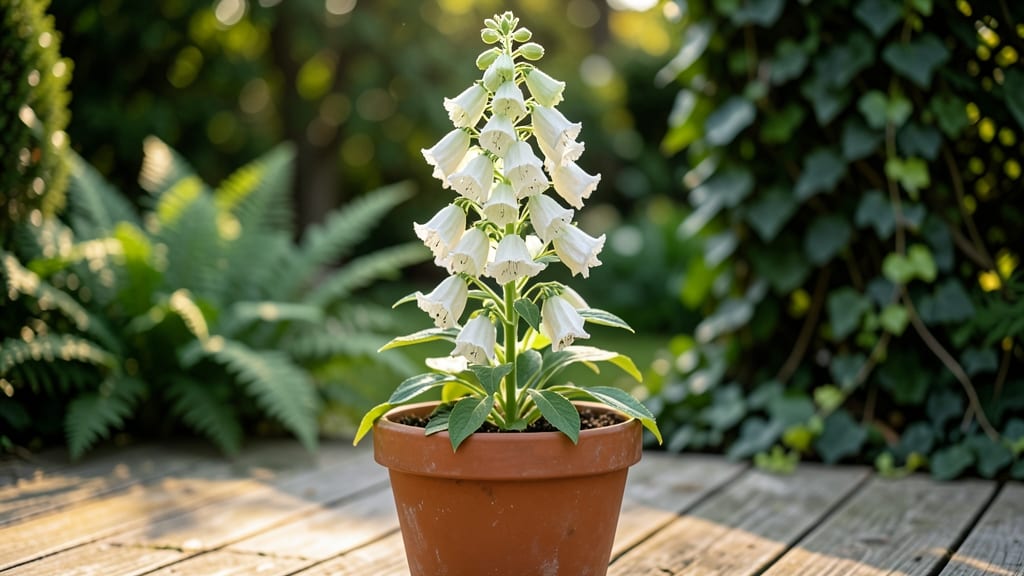
Bells of Ireland are not true perennials—they die back annually after flowering but reseed prolifically, often returning in subsequent seasons. Their self-sowing habit creates clusters, mimicking perennial behavior despite their biennial or short-lived nature in most climates.
This misconception stems from their tendency to self-seed aggressively, creating dense clusters that make them seem like perennials. 🌱 Unlike true perennials that regrow from the same root system each year, Bells of Ireland rely on fresh seeds or underground tubers to sprout anew.
In colder climates, they may even appear to "come back" from seed after winter dormancy, reinforcing the illusion of perennial behavior.
What sets them apart is their biennial lifecycle: they flower and set seed in their second year before dying back completely. This cycle explains why gardeners often see them return year after year without realizing they're not the same plants—just new generations sprouting from last year's seeds.
💡 In This Article
- Why Bells of Ireland Die Back and Reappear
- How to Encourage Bells of Ireland to Return Yearly
Why Bells of Ireland die back and reappear
Bells of Ireland (Moluccella laevis) follow a biennial lifecycle, meaning they complete their growth cycle in two years. In their first year, they focus on developing a thick, fleshy root system and low-growing foliage, storing energy for the next phase.
By their second year, they bolt upward, producing those iconic bell-shaped calyces that bloom from late summer into fall. Once flowering ends, the plant’s above-ground growth wilts and dies back—this is where the confusion begins.
The key to their "perennial-like" return lies in their aggressive self-seeding habit. Each bell contains hundreds of tiny seeds that scatter easily, often landing in the same spot where the parent plant grew. When temperatures drop below 40°F in fall, these seeds enter dormancy, surviving winter’s frost.
Come spring, they germinate anew, creating dense clusters that make it seem like the original plant returned. This process mimics perennial behavior, but it’s actually a new generation sprouting from last year’s seeds.
Some gardeners also notice underground tubers forming, which can sprout in subsequent years. These tubers are a survival mechanism—when the plant dies back, the tuber stores nutrients until conditions improve.
In milder climates (USDA zones 5-9), these tubers may even sprout without seeds, adding to the illusion of perennial growth. However, true perennials regrow from the same root system each year, while Bells of Ireland rely on seeds or tubers for renewal.
Here’s what’s happening underground: The plant’s taproot system (a single, deep root) stores carbohydrates during the growing season. When frost hits, this root shrivels but leaves behind dormant buds or tubers near the surface.
In spring, these buds sense warmth and moisture, triggering new shoots. This explains why you might see Bells of Ireland reappear in the same spot—it’s not the same plant, but its genetic legacy.
What most people overlook is the seed dispersal mechanism. The plant’s hairy, papery calyces (the "bells") split open when dry, catapulting seeds up to 3 feet away. This ensures fresh plants grow nearby, creating those familiar clumps that fool gardeners into thinking they’re perennials.
In reality, each new plant is a separate individual, not a regrowth of the original.
Consider this: If you dig up a Bells of Ireland plant after it dies back, you’ll rarely find the same root system next year. Instead, you’ll see new seedlings popping up around the original location.
This is nature’s way of ensuring survival—by producing thousands of seeds per plant, Bells of Ireland maximize their chances of returning, even if individual plants don’t live beyond two years.