
Aphids
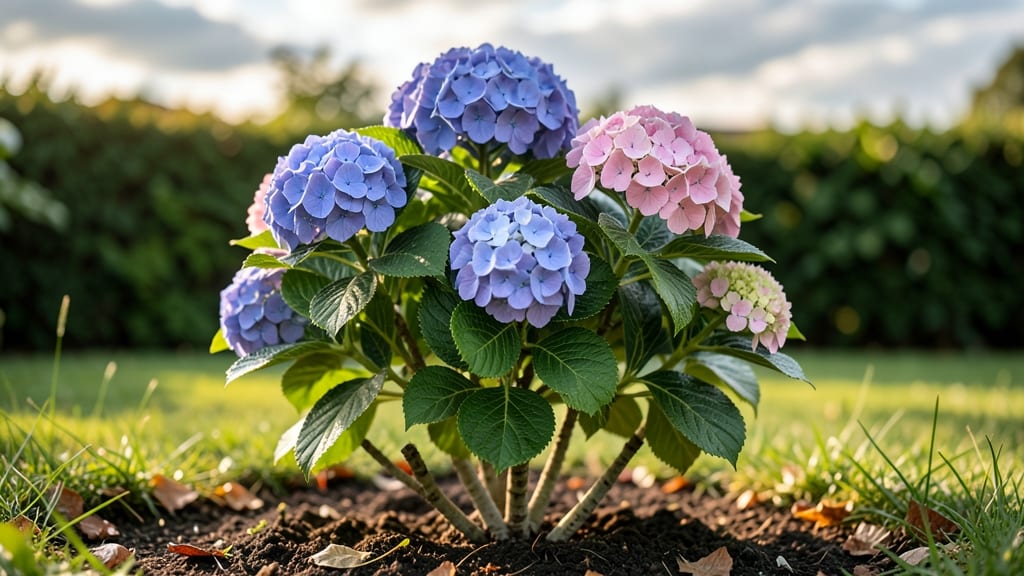
Yes, hydrangeas are perennials that regrow each spring from their root system after winter dieback. Their stems die back to the ground annually, but the roots remain dormant and alive, enabling new growth when conditions warm up.
This perennial behavior means your hydrangea isn't dead when it looks dormant—it's just conserving energy underground. 🌱 The roots store nutrients during the growing season, which fuels the plant's revival in spring.
Different varieties handle cold differently: oakleaf hydrangeas often survive down to -20°F, while bigleaf types may need protection below 10°F. Understanding this cycle helps you know exactly when (and how) to prune those woody stems without harming next year's blooms.
What sets hydrangeas apart from annuals is their ability to return year after year with proper care. The key is protecting those roots during winter—mulching heavily in colder climates prevents freeze-thaw damage.
Once spring arrives, you'll see those familiar leaves and buds emerge from the same root system that's been patiently waiting beneath the soil.
💡 In This Article
- How Hydrangea Root Systems Survive Winter Dieback
- Caring for Hydrangeas After Winter Dieback
How hydrangea root systems survive winter dieback
The secret to hydrangeas' perennial survival lies in their deep, fibrous root systems. Unlike annuals that complete their life cycle in one season, hydrangeas store carbohydrates in their roots during summer and fall, building up energy reserves similar to how humans store fat for winter.
These roots can extend 3-5 feet wide and 2-3 feet deep, creating an extensive network that insulates against freezing temperatures while maintaining moisture access.
When temperatures drop below 40°F, hydrangeas enter dormancy—a biological state where metabolic processes slow dramatically. The aboveground stems die back because they contain less protective tissue than roots, but the root crown (the thickened area where stems meet roots) remains alive.
Oakleaf hydrangeas, for example, can survive down to -20°F thanks to their naturally cold-hardy root systems, while bigleaf varieties typically tolerate only 10-15°F without protection.
The dieback you see each winter is actually a survival strategy. By shedding their stems, hydrangeas conserve energy that would otherwise be needed to maintain woody tissue. This process, called deciduousness, is similar to how trees drop leaves in autumn.
The roots continue respiring slowly throughout winter, using stored starches to maintain cellular integrity until spring warmth triggers regrowth.
Cold hardiness varies dramatically between species. Panicle hydrangeas (like 'Limelight') often survive -30°F with proper mulching, while bigleaf types (like 'Endless Summer') may need winter protection in zones colder than 6b.
The root system's ability to regenerate stems from dormant buds explains why even severely pruned hydrangeas can bounce back—those buds contain all the genetic information needed for new growth.
What's fascinating is how these roots detect seasonal changes. As daylight shortens in fall, hydrangeas produce abscisic acid, a hormone that signals dormancy. This chemical process is what causes the leaves to turn brown and the stems to become brittle.
Meanwhile, the roots continue absorbing water and nutrients until frozen soil stops the process entirely.
This biological resilience is why hydrangeas thrive in gardens for decades. A well-established plant can live 30-50 years or more, producing new stems each spring from the same root system that's been quietly working underground since planting.
The key to their longevity lies in protecting that root zone—whether through mulch, insulation, or strategic planting in sheltered locations.