
Plants
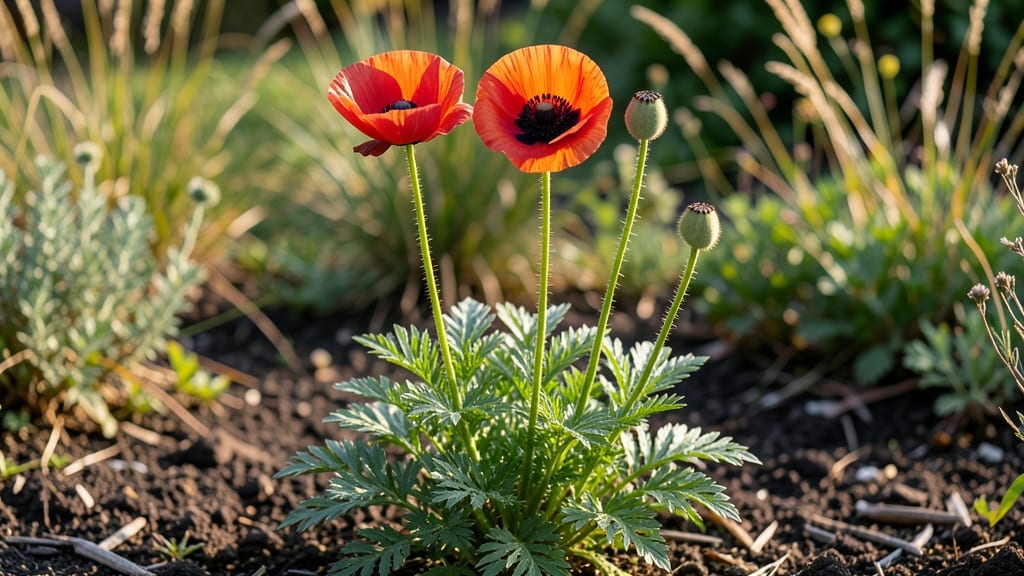
Poppies aren't true perennials—they die back completely each year but spread aggressively through self-seeding, often reappearing naturally in spring. Their longevity varies by type, location, and growing conditions, with some species thriving for years through repeated germination.
This might seem confusing because poppies look like they come back every year, but their survival strategy is actually a clever mix of annual behavior and natural regeneration. 🌱 While they don't store energy underground like true perennials, their seeds germinate prolifically in favorable conditions, creating dense clusters that persist for seasons.
The key difference is in their roots—poppies develop shallow systems that die back completely in winter, unlike perennials that maintain underground structures. This explains why some gardeners see them return year after year while others struggle with inconsistent growth.
What makes this even more interesting is how climate plays a role. In colder regions, poppies often need protection from harsh winters to establish strong seed banks, while warmer areas may see them spread more aggressively.
The species you choose matters too—Iceland poppies (Papaver nudicaule) tend to be more reliable returners than opium poppies (Papaver somniferum), which are typically grown as annuals. Understanding this cycle helps gardeners decide whether to embrace their volunteer nature or take active steps to preserve them.
💡 In This Article
- Why Poppies Die Back and How They Regrow
- Best Practices for Encouraging Poppies to Return Year After Year
Why poppies die back and how they regrow
The biological reason poppies appear to "come back" each year lies in their shallow root systems and seed production strategy. Unlike true perennials that develop deep, woody roots or underground storage organs (like bulbs or rhizomes), poppies grow fibrous roots that die completely when exposed to frost or drought.
This dieback is their natural survival mechanism—similar to geophytes but without persistent storage structures. 🌱 What sets them apart is their prolific seed production: a single mature poppy plant can release 10,000-20,000 seeds that remain viable in the soil for 3-5 years, waiting for ideal germination conditions.
Seasonal adaptation explains their resilience in temperate climates. Poppies time their life cycle to take advantage of spring's warming temperatures and moisture.
The seeds germinate when soil temperatures reach 50-60°F, and plants mature rapidly (often in 60-90 days) to produce flowers and seeds before summer's heat or winter's cold arrives. This strategy ensures genetic continuity even when individual plants don't survive the winter. The trade-off?
Their shallow roots make them vulnerable to disturbances like heavy foot traffic or cultivation, which can disrupt the seed bank.
What most gardeners observe as "returning poppies" are actually new plants sprouting from last year's seeds. This self-seeding behavior creates what botanists call a "seed shadow"—a dense cluster of plants emerging from seeds that fell near the parent plant.
In ideal conditions, this can create the illusion of perennial behavior, though each plant follows a complete annual life cycle. The key difference from true perennials is that poppies don't maintain living tissue underground to regenerate from year to year.
Climate plays a crucial role in this cycle. In regions with mild winters (USDA zones 5-8), poppies often establish robust seed banks that germinate reliably each spring. However, in colder climates (zones 3-4), seeds may need winter stratification—a natural process where cold temperatures break seed dormancy—to germinate successfully.
This explains why poppies sometimes appear more reliably in certain locations than others. 🌿 The species also matters: Corn poppies (Papaver rhoeas) and Iceland poppies (Papaver nudicaule) are particularly adept at this regeneration process, while opium poppies (Papaver somniferum) typically require annual replanting.
Here's what's actually happening below ground: Poppy roots develop a fibrous network that spreads horizontally rather than vertically. This shallow system allows rapid nutrient absorption during their short growing season but makes them susceptible to drying out.
When temperatures drop below 32°F, these roots die completely, leaving only the seeds to carry the species through winter. This is why you'll often see poppies in disturbed soils or along paths—their seeds lie dormant until the right conditions trigger germination.
The sensory experience of gardening with poppies reveals this cycle. In late summer, you'll notice the plants wilting and turning brown as they complete their life cycle, but their seeds remain on the stalks until they're ready to disperse.
The papery seed pods (called follicles) eventually split open with a gentle touch, releasing seeds that can travel up to 10 feet from the parent plant. This natural dispersal creates the dense clusters that make poppies seem perennial, even though each individual plant follows an annual pattern. ✨