
Plants
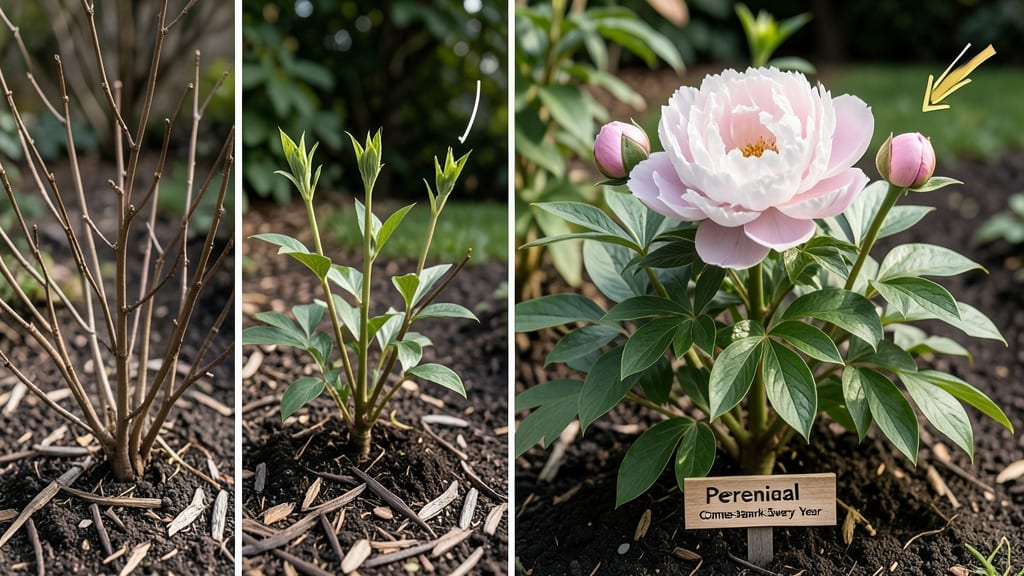
Yes, perennials come back every year because their underground root systems store energy, enabling them to regrow from the same base each season—though harsh winters or neglect can reduce their lifespan.
This annual regrowth happens because perennials like peonies or coneflowers develop specialized storage organs—rhizomes, tubers, or bulbs—that act like natural batteries. 🌱 During dormancy, these roots preserve nutrients and moisture, then trigger new shoots when temperatures rise.
The key difference from annuals (which die after flowering) is that perennials prioritize root development over immediate growth, ensuring they survive multiple seasons.
However, their lifespan depends on three critical factors: climate resilience, soil quality, and proper care. For example, hardy perennials like lavender thrive in USDA Zone 5 winters, while tropical varieties need protection.
Poor soil drainage or overwatering can starve roots of oxygen, while improper pruning (like cutting back too late) removes stored energy. I’ve seen hostas live for decades with consistent care, but even they’ll decline if neglected.
💡 In This Article
- How Perennial Root Systems Enable Annual Regrowth
- Factors That Affect Perennial Longevity in Gardens
How perennial root systems enable annual regrowth
Perennials rely on specialized underground structures—rhizomes, tubers, bulbs, and corms—to store carbohydrates, proteins, and water like nature's energy reserves. For instance, daylilies use thick rhizomes that can extend 2-3 feet underground, storing enough starch to fuel regrowth even after a 10°F winter.
These storage organs remain alive through dormancy, unlike annuals that complete their entire life cycle in one season and die after flowering.
The regrowth process begins when soil temperatures reach 50-55°F, triggering hormonal signals that break dormancy. In peony roots, for example, buds form in the previous year's growth, ready to emerge as soon as conditions are favorable.
This contrasts with biennials (like carrots) that store energy for just two years, or annuals (like marigolds) that rely on seeds for continuation. The perennial advantage is their ability to invest in both above-ground blooms AND below-ground storage simultaneously.
Consider how hostas develop fleshy, fibrous roots that can live for decades. These roots contain specialized cells that convert sunlight-derived sugars into inulin—a complex carbohydrate that resists decomposition.
This biological strategy explains why a well-established hosta can survive being cut back to the ground in winter, while an annual like basil would perish entirely. The trade-off? Perennials grow more slowly initially as they build these reserves.
Temperature plays a crucial role in this cycle. Most perennials enter dormancy when nights drop below 40°F, slowing metabolic processes to conserve energy. Some, like heucheras, even harden their leaves for winter protection.
The root systems of cold-hardy perennials (like coneflowers) can withstand -20°F temperatures by producing antifreeze proteins that prevent ice crystal formation in their cells. This biological adaptation is what allows them to "sleep" through winter and wake up ready to bloom again.
What's fascinating is how these root systems adapt to local conditions. In USDA Zone 7, perennials might store 30-40% more carbohydrates than in Zone 9, where milder winters reduce the need for extensive reserves.
The root systems of desert-adapted perennials (like agave) store water in addition to nutrients, while tropical varieties focus primarily on energy storage. This biological flexibility is why perennials thrive across such diverse climates.
One common misconception is that all perennials are equally hardy. In reality, their lifespan varies dramatically based on root type. Bulbous perennials (like tulips) typically live 3-5 years because their bulbs degrade over time, while rhizomatous types (like iris) can persist for centuries.
The key difference lies in how efficiently each type replenishes its energy stores each season.