
Flowers
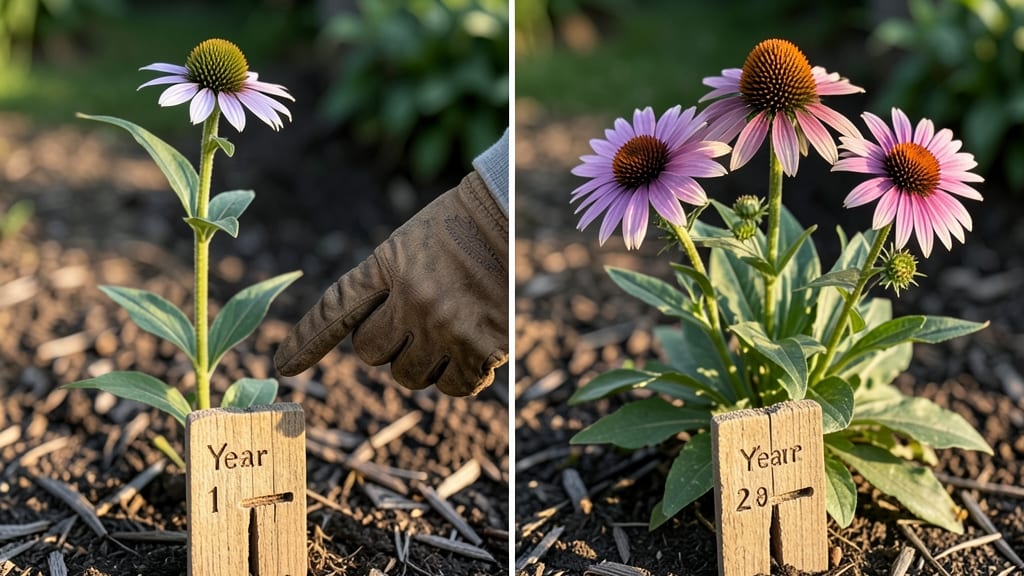
Perennial flowers do come back every year, though their foliage often dies back to the ground in winter, only to regrow from roots or rhizomes when conditions improve. Some may appear dormant but remain alive underground until spring.
This annual cycle is what sets perennials apart from annuals—they store energy in their roots, bulbs, or tubers during dormancy, preparing for next year's growth. 🌱 Think of it like a plant hibernation: while the above-ground parts may look dead, the root system stays active, waiting for warmer temperatures to trigger new shoots.
Many gardeners confuse this natural dieback with plant death, but with proper care, perennials often bounce back stronger each season.
For example, peonies and daylilies are classic perennials that seem to vanish in winter only to return with even more vibrant blooms in spring. The key is understanding their unique dormancy patterns—some need winter chill to set buds, while others prefer consistent moisture during their dormant phase.
This biological strategy actually makes perennials more resilient than annuals in long-term garden planning.
💡 In This Article
- How Perennial Flowers Survive Winter Through Dieback
- Caring for Perennials After Dieback: Pruning and Protection Tips
How perennial flowers survive winter through dieback
The secret to perennial flowers' yearly return lies in their underground survival systems. Unlike annuals that complete their entire life cycle in one season, perennials develop specialized storage organs like bulbs, tubers, or rhizomes that act as biological batteries.
These structures store carbohydrates, proteins, and water—essentially food reserves—that sustain the plant during dormancy. For example, a daffodil bulb can contain enough energy to fuel new growth even after months of freezing temperatures.
Temperature plays a crucial role in triggering dormancy. Most perennials enter their dormant phase when daytime temperatures consistently drop below 50°F (10°C) for several weeks. This cold exposure actually benefits many species by breaking dormancy hormones and preparing them for spring.
The roots continue slow metabolic activity, maintaining just enough cellular function to survive. Some perennials, like hellebores, even bloom in early spring before other plants emerge, proving their root systems remain active throughout winter.
Light cues also influence the timing of regrowth. As daylight increases in late winter, plants detect the longer photoperiods through specialized proteins called phytochromes. This light signal triggers the production of growth hormones that stimulate bud formation.
You'll often see the first signs of new growth when soil temperatures reach 55-60°F (13-15°C), even when air temperatures remain chilly—a clear indication the plant's internal clock has activated its survival mechanisms.
What most gardeners miss is that the dieback process isn't random—it's a carefully timed biological strategy. Plants like coneflowers and black-eyed Susans deliberately shed their foliage to conserve energy. The remaining stems and leaves actually protect the crown (where new growth emerges) from extreme cold.
This natural pruning reduces water loss and prevents fungal infections that could compromise the root system during winter.
Consider the case of hostas, which are known for their dramatic winter dieback. Their thick, fleshy leaves contain stored nutrients that get transported to the roots before the first frost. By spring, these roots have already formed new buds that can shoot upward within days of soil warming.
This rapid regrowth is only possible because the plant's energy reserves remained intact underground throughout winter.
One fascinating adaptation is how some perennials actually improve with age. Each year, their root systems grow larger and more extensive, storing additional energy reserves.
This is why an established perennial garden often requires less maintenance—once the plants are settled, they've developed robust underground networks that make them more resilient to environmental stresses.