
Orchid Care
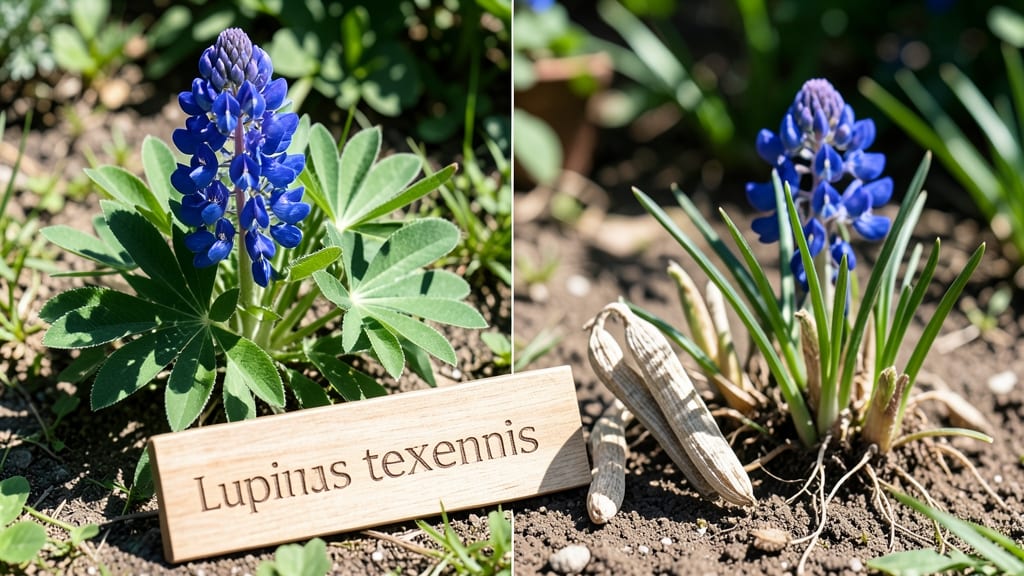
Bluebonnets are perennials in Texas but often behave as annuals because their lifespan typically lasts only 2-3 years before declining from cold sensitivity and natural aging, unless replanted or carefully managed.
This unique behavior happens because Texas's cold winters—especially in zones 7-9—cause bluebonnets to go dormant and often die back completely, tricking gardeners into thinking they're annuals. 🌸 The plants actually store energy in their roots for potential regrowth, but many fail to rebound due to harsh conditions or poor soil.
I've seen bluebonnets return in milder winters, proving they're true perennials when given the right conditions.
What makes this even more interesting is their natural lifecycle: bluebonnets produce seeds that can lie dormant for years before sprouting, creating new plants that may outlast their parents.
This seed-based regeneration is why they often seem to "come back" from scratch each spring, even when the original plants didn't survive.
💡 In This Article
- Why Bluebonnets Act Like Annuals in Texas
- How to Extend Bluebonnet Blooms Beyond One Season
Why bluebonnets act like annuals in Texas
Bluebonnets (Lupinus texensis) are technically perennials, but their growth habits in Texas often mimic annuals due to their cold sensitivity. These plants thrive in USDA hardiness zones 7-9, where winter temperatures frequently dip below 20°F.
When exposed to prolonged cold, their above-ground foliage dies back completely, leaving only underground roots and seed pods. This dieback creates the illusion that they've vanished entirely, when in reality, they're conserving energy for potential regrowth.
The key mechanism is their cold dormancy strategy. Unlike true annuals, bluebonnets store nutrients in their thick, fibrous roots during winter. In milder winters (like those in South Texas), these roots often regenerate new growth by late winter or early spring.
However, in colder zones (like North Texas), the roots may not survive, forcing the plant to rely entirely on seed germination for renewal. This is why bluebonnets frequently appear to "disappear" and reappear from seeds rather than returning from the same root system. 🌱
Texas's unpredictable freeze events further complicate their lifecycle. A sudden drop to 15°F can kill even established roots, while a mild winter might allow 50-70% survival rates.
The plant's natural strategy is to prioritize seed production over root survival, which explains why you'll often see bluebonnet seeds sprouting in disturbed soil where the parent plants failed to regrow.
Another factor is their short-lived perennial nature. Most bluebonnets decline after 2-3 years due to natural aging, even if winter conditions are ideal. This is because their energy reserves become depleted from continuous flowering and seed production.
In wild settings, this ensures genetic diversity through frequent seed germination, while in gardens, it creates the appearance of annual behavior unless gardeners intervene with proper care.
Consider this comparison: In Austin (zone 8b), bluebonnets might reliably return for 2-3 seasons if winters stay above 18°F. But in Dallas (zone 7b), they're more likely to behave as annuals because of harsher winters and shorter growing seasons.
The same species exhibits completely different lifespans based solely on microclimate variations within Texas. 🌡️
What most gardeners don't realize is that bluebonnets' seed production is their survival insurance. A single plant can produce 500-1,000 seeds, many of which remain dormant for years until conditions are favorable.
This seed bank strategy ensures the species persists even when individual plants fail to regrow, creating the illusion of annual behavior while actually maintaining perennial characteristics through their genetic lineage.
Understanding this lifecycle explains why bluebonnets often seem to "come back" from nowhere in spring—it's not the same plants returning, but their offspring emerging from seeds that have been waiting patiently in the soil.
This dual strategy of root survival and seed banking is what makes bluebonnets such resilient survivors in Texas's challenging climate. 💡