
Orchid Care
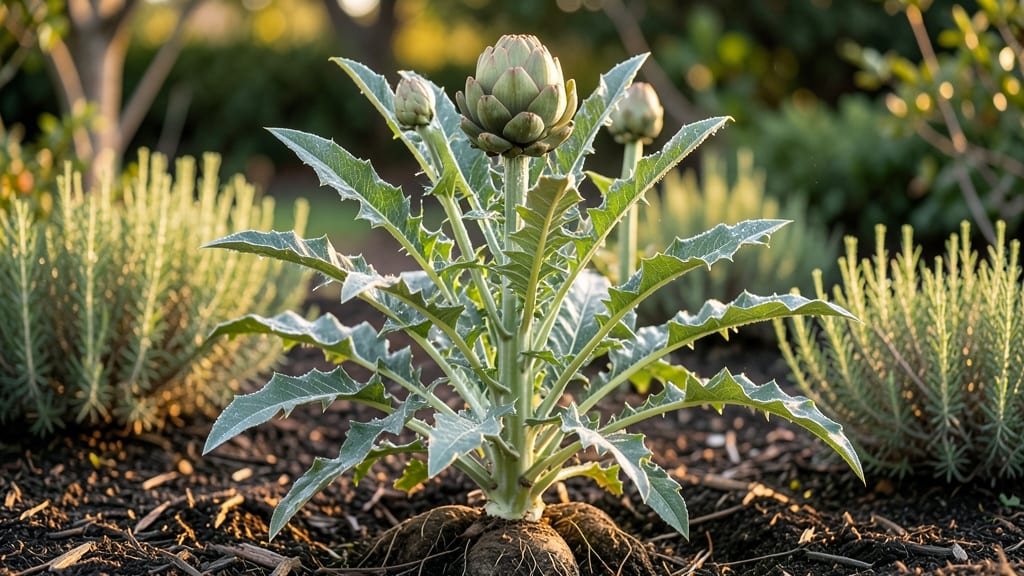
Artichokes are perennial plants in warm climates but often treated as annuals in colder regions due to frost sensitivity. Their lifespan extends beyond one season if protected from freezing temperatures and given proper care.
Artichokes thrive as perennials in USDA hardiness zones 7-10, where they can regrow for multiple seasons from their robust root systems. 🌱 However, in colder climates like zones 3-6, gardeners typically treat them as annuals because frost kills the plant's top growth and weakens the roots.
The key difference lies in their ability to survive winter dormancy—when protected with mulch or grown in containers, they can sometimes persist through mild winters and rebound in spring.
For those in frost-prone areas, selecting varieties like 'Green Globe' or 'Imperial Star'—known for slightly better cold tolerance—can improve survival odds. I've found that combining these varieties with thick straw mulch (at least 6 inches deep) can shield the crown from temperature drops down to 15°F.
The trade-off is that even with these precautions, the plant's vigor may decline after 2-3 years compared to its tropical counterparts.
💡 In This Article
- Why Artichoke Growth Cycles Depend on Climate
- How to Extend Artichoke Lifespan in Cold Climates
Why artichoke growth cycles depend on climate
The botanical classification of artichokes as perennials stems from their natural growth patterns in Mediterranean climates, where temperatures rarely drop below 20°F. In these ideal conditions, artichokes develop a robust, woody root system that can persist for multiple years, sending up new shoots each spring.
The plant's ability to regenerate from its crown—even after harvest—demonstrates its true perennial nature, similar to asparagus or rhubarb. 🌿
Climate plays a critical role in determining whether artichokes behave as perennials or annuals. In USDA hardiness zones 7-10, artichokes thrive year-round, producing edible buds for 3-5 years before declining.
However, in colder zones (3-6), temperatures below 25°F trigger frost damage that kills the above-ground growth and weakens the root system. This freeze-thaw cycle disrupts the plant's natural dormancy mechanisms, making it unable to regenerate effectively in subsequent seasons.
The root structure itself is the key to understanding this behavior. Artichokes develop a thick, fleshy taproot that stores nutrients, allowing them to survive dry periods in warm climates.
When exposed to prolonged freezing, these roots can suffer irreversible damage, particularly if the ground remains frozen for more than 4-6 weeks. This explains why gardeners in colder regions often replant artichokes annually rather than attempting to overwinter them.
Another factor is the plant's sensitivity to photoperiodism—the way it responds to daylight changes. In tropical climates, artichokes grow continuously year-round, while in temperate zones, they enter a partial dormancy during winter.
This natural cycle means they require 10-12 hours of daylight to initiate bud formation, a process that's disrupted by early frosts. The combination of cold stress and shortened daylight periods forces the plant into a survival mode that often proves fatal.
For comparison, consider globe artichokes (Cynara cardunculus var. scolymus) in their native Mediterranean region, where they can live for 10+ years with proper care. In contrast, even the hardiest varieties in zone 6 gardens rarely survive beyond 2-3 years without protection.
This stark difference highlights how climate dictates whether artichokes fulfill their perennial potential or succumb to annual treatment.