
Flowers
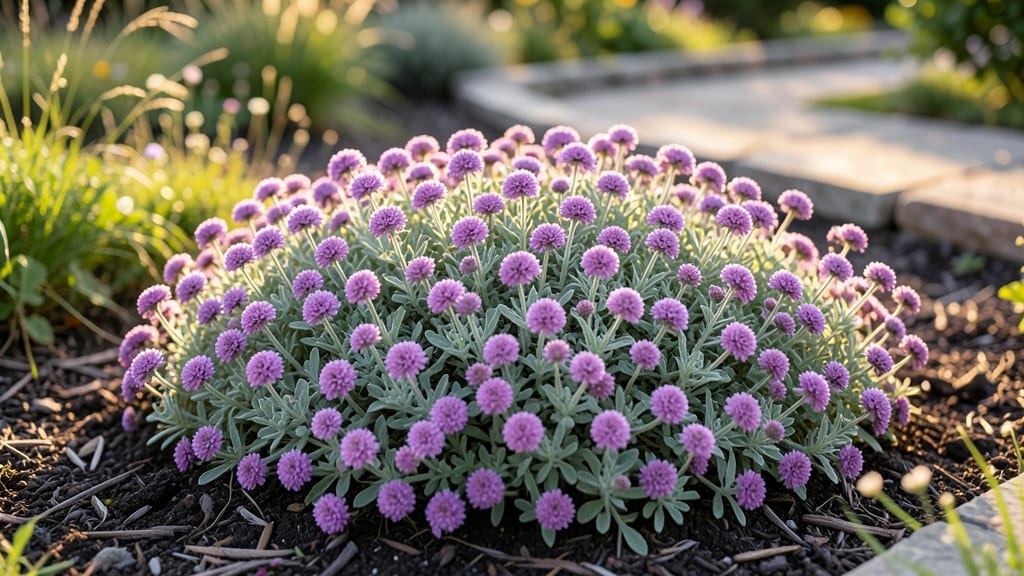
Alyssum flowers are cold-hardy perennials that die back completely in winter but regrow vigorously each spring, demonstrating their adaptability to frost and seasonal changes.
Alyssum's winter dieback isn't a sign of failure—it's a survival strategy. 🌱 These hardy plants store energy in their roots during dormancy, allowing them to burst back to life once temperatures rise.
Unlike annuals that complete their life cycle in one season, alyssum's perennial nature means they'll return year after year with proper winter care, rewarding gardeners with those signature clusters of tiny white, pink, or purple blooms.
What sets alyssum apart is its ability to thrive in USDA zones 7-10, making it perfect for gardeners in both mild coastal climates and cooler inland regions.
The key to their success lies in their deep root systems that anchor them through frost, combined with their rapid regrowth once spring arrives. This makes them an excellent low-maintenance choice for ground cover, borders, or container gardens where you want consistent color without annual replanting.
💡 In This Article
- Why Alyssum Plants Survive Winter Dieback
- Pro Tips for Encouraging Alyssum’s Annual Regrowth
Why alyssum plants survive winter dieback
Alyssum's winter dieback is actually a clever survival mechanism rooted in their deep taproot systems, which can extend 12-18 inches below soil level. These roots act as energy reservoirs, storing carbohydrates like starches and sugars that fuel regrowth when spring arrives.
Unlike annuals that complete their life cycle in one season, alyssum's perennial nature relies on this root-based dormancy strategy, allowing them to withstand 20-25°F temperatures that would kill many garden plants. 🌱
The real magic happens at the cellular level. Alyssum plants produce antifreeze proteins during cold snaps, which prevent ice crystals from forming in their tissues.
These proteins, similar to those found in cold-hardy trees like maples, bind to ice nuclei and disrupt their growth, allowing the plant to remain flexible in freezing conditions.
Their leaves also contain high levels of flavonoids that act as natural sunscreen, protecting cell membranes from UV damage during winter's occasional sunny days.
What's fascinating is how alyssum's growth cycle adapts to seasonal changes. In late summer, they begin storing energy in their roots while still producing flowers—a process called "autumnal flowering." This dual focus ensures they can both reproduce and prepare for winter simultaneously.
When temperatures consistently stay above 50°F in spring, hormonal signals trigger new shoot growth from the root crown, often within 2-3 weeks of thawing soil. 💫
This survival strategy explains why alyssum thrives in coastal regions where temperature swings are moderate, but also in inland areas with colder winters. Their ability to completely defoliate and appear dead only to regrow makes them perfect for gardeners who want reliable seasonal color without the maintenance of true annuals.
The trade-off? Their full bloom season is typically 6-8 weeks shorter than annual varieties, but the perennial nature makes up for it in long-term reliability.
Consider this comparison: While petunias (annuals) would perish in winter, alyssum's roots continue respiring at reduced rates, maintaining just enough metabolic activity to stay alive.
This is why you'll often see alyssum emerging from the ground before other perennials—its root systems are already primed and ready to capitalize on spring's warmth. The key difference lies in their growth habit: alyssum prioritizes root development over above-ground growth during winter preparation. ✨
For gardeners, understanding this mechanism means you can push alyssum's hardiness limits slightly by providing 2-3 inches of mulch in late fall. This extra insulation can help protect the root crown during unusually cold snaps, giving you even more reliable regrowth.
The plant's ability to regenerate from just a small portion of its root system means even if some damage occurs, it can often recover completely by spring.