
Flowers
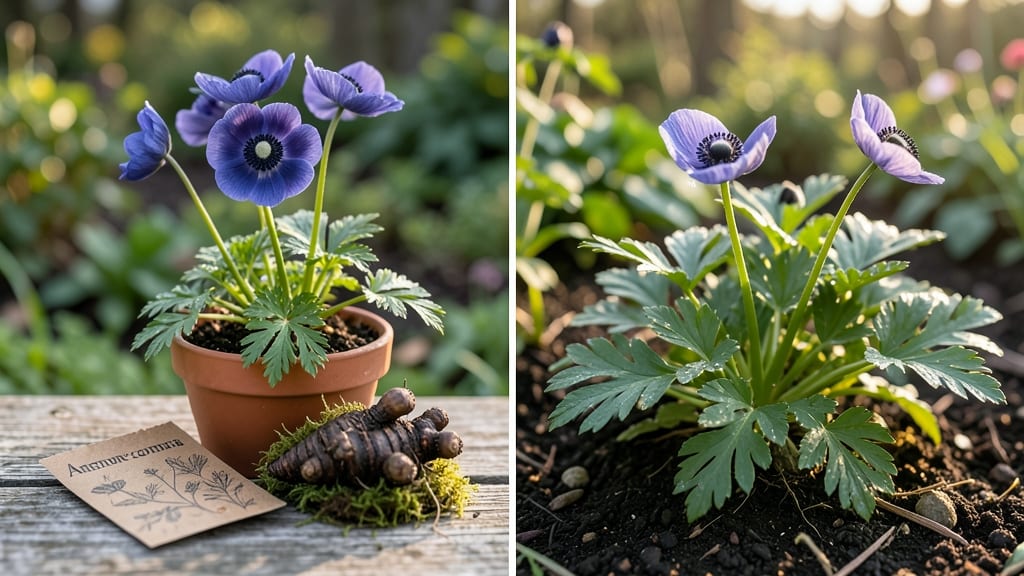
Deciding between anemone annuals or perennials feels like choosing between fireworks and a sunset—both stunning, but for different seasons. 🌸 Annuals burst with color for one season, while perennials reward you with years of bold blooms.
I’ve grown both, and the right choice depends on your garden’s rhythm and your patience for waiting. Annual anemones thrive in full sun to partial shade, demanding well-draining soil and consistent moisture. Plant seeds indoors 6-8 weeks before your last frost, or buy transplants for instant drama.
Perennials, like the hardy Japanese anemone, prefer partial shade and tolerate poorer soil—ideal for low-maintenance gardeners. Both types need support for their delicate stems, or they’ll flop like overgrown dandelions. The payoff?
Annuals deliver summer-long color in shades of pink, blue, and white, while perennials like Anemone hupehensis bloom in late summer to fall, extending your garden’s show. Divide perennials every 3-4 years to keep them vigorous, or sow annual seeds directly in spring for quick impact.
Whether you crave instant gratification or long-term beauty, anemones deliver. Annuals for seasonal flair, perennials for lasting elegance—why not try both? The garden’s the better for it.
📚 In This Guide
- What you need
- Instructions
- Tips and common mistakes
- Wrapping up and next steps
What you need
- ● Anemone plants: Annual varieties: 10-20 plants (e.g., Anemone coronaria for vibrant spring blooms).
- ● Perennial varieties: 5-10 tubers or rooted plants (e.g., Anemone hupehensis or Anemone × hybrida for late-season color).
- ● Well-draining soil: 5-10 gallons of loamy, slightly acidic soil (pH 6.0-7.0). Mix in 1 part compost for nutrients.
- ● Organic mulch: 2-3 inches of shredded bark, straw, or pine needles to retain moisture and suppress weeds.
- ● Slow-release fertilizer: 10-20-10 or 5-10-5 (apply 1 tbsp per plant at planting and mid-season).
- ● Watering can or hose: With a gentle spray nozzle for even moisture.
- ● Garden trowel or transplant spade (for digging holes 3-4 inches deep and 12-18 inches apart).
- ● Pruning shears (for trimming dead foliage or spent blooms).
- ● Gloves (to protect hands from thorns on some varieties).
- ○ Stakes or supports (optional) for tall perennials like Anemone × hybrida.
- ○ Container pots (optional) for annuals: 5-7 inch diameter with drainage holes.
- ● A sunny to partially shaded spot (annuals: full sun; perennials: morning sun + afternoon shade).
- ● Patience! Perennials may take 1-2 years to establish and bloom fully.
- ● Consistent moisture (especially for annuals—water 1-2 times weekly during dry spells).
How to cultivate anemones for season-long blooms
Anemones reward patience with striking, long-lasting flowers. Here's how to grow them whether you prefer annuals or perennials.
🌱 Step 1: Choose the Right Location for Your Anemones
Anemones thrive in partial shade—think dappled sunlight or morning sun with afternoon shade. Annual varieties like Anemone blanda tolerate more sun, while perennials such as Anemone hupehensis prefer 4-6 hours of filtered light daily. Too much direct sun scorches their delicate petals, while too little shade stunts blooms.
Test your spot by observing how light moves across it throughout the day. The ideal location receives morning sun but remains shaded by trees or structures after 10 AM. If your garden is fully shaded, opt for annual anemones—they adapt better to low-light conditions than their perennial cousins.
🪴 Step 2: Prepare Soil for Healthy Root Development
Anemones demand well-draining, humus-rich soil with a slightly acidic to neutral pH (6.0-7.0). Amend heavy clay by mixing in 2-3 inches of compost and 1 inch of perlite to prevent root rot. Perennials, in particular, resent soggy conditions—waterlogged roots lead to fungal diseases that kill plants within weeks.
Dig a hole twice as wide as the root ball but only as deep as the container it came in. Loosen the sides of the hole with a garden fork to encourage roots to spread outward. If planting in fall, apply a 2-inch layer of mulch to insulate roots through winter—this is especially critical for hardy perennial varieties like Anemone tomentosa.
✂️ Step 3: Plant and Stake for Wind Protection
Place the anemone tuber or rhizome 1-2 inches below soil level, ensuring the eyes (growth points) face upward. Annuals can be sown directly in spring, while perennials should be planted in early fall for established root systems before dormancy. Space plants 12-18 inches apart—crowding leads to weak stems and fewer blooms.
Anemones have top-heavy blooms that flop in wind or rain. Drive a 4-inch stake near each plant at planting time and loosely tie stems with soft garden twine as they grow. Avoid tight ties—roots need room to expand. For annuals, you can skip staking if planted in sheltered microclimates.
💧 Step 4: Water and Fertilize for Continuous Blooms
Keep soil consistently moist but never soggy—anemones wilt quickly when thirsty but recover fast if watered deeply. Water at the base (not overhead) to prevent fungal spores from splashing onto leaves. Perennials enter dormancy in winter, so reduce watering to once every 2-3 weeks unless temperatures drop below 20°F.
Feed annuals with a balanced liquid fertilizer (10-10-10) every 4-6 weeks starting when flowers appear. Perennials benefit from slow-release granules applied in early spring. Too much nitrogen produces lush foliage but fewer blooms—always follow package rates to avoid overfeeding.
☀️ Step 5: Prune and Extend the Blooming Season
Deadhead spent blooms weekly to redirect energy into new flowers. For perennials, cut back one-third of the foliage after the first flush of blooms in early summer—this triggers a second flush in late summer or fall. Annuals rarely rebloom, so focus on removing faded flowers to maintain appearance.
In fall, cut back perennials to ground level once foliage yellows. For tender annuals, remove entire plants after frost. Mulch perennial beds with 2-3 inches of straw to protect tubers through winter. This simple step ensures vigorous regrowth the following spring without losing plants to freeze damage.
Tips & tricks for cultivating stunning anemones
These insider strategies will help you coax vibrant blooms from your anemones—whether you're growing annuals or perennials.
Light Observation: Pay attention to how sunlight shifts throughout the day in your garden. Annual anemones like Anemone blanda can handle up to 6 hours of morning sun, but perennials such as Anemone hupehensis need that afternoon shade by 10 AM sharp. Use a whiteboard to mark sun patterns for a week before planting—this simple step prevents sunburned petals and leggy growth. I once planted perennials in full morning sun and spent weeks watching them struggle until I realized they needed that afternoon reprieve.
Soil Science: The 2-3 inches of compost and 1 inch of perlite in Step 2 aren't just numbers—they're your insurance against root rot. For heavy clay soils, mix in 1 part sand to every 3 parts soil to improve drainage. Test your soil's pH with a kit before planting; if it's below 6.0, amend with pelletized lime according to package instructions. I've seen anemones thrive in soil that looked perfect but failed because the pH was off by just 0.5 points.
Planting Precision: When placing tubers 1-2 inches below soil level in Step 3, resist the urge to bury them deeper for "extra protection"—this smothers the growth points and delays blooming. For perennials planted in fall, mark their locations with biodegradable plant tags so you don't accidentally dig them up during winter cleanup. I once lost three perennials because I forgot where I'd planted them after a snowfall.
Seasonal Staking: While the instructions mention 4-inch stakes, I recommend using 5-inch bamboo stakes for perennials—they provide better wind resistance without being obtrusive. For annuals in exposed areas, consider flexible plant ties instead of twine; they're gentler on stems as they grow. The key is to stake at planting time so the roots establish before the blooms become top-heavy.
Pro Tips for Anemone Annual Or Perennial
- These insider strategies will help you coax vibrant blooms from your anemones—whether you're growing annuals or perennials.
- Light Observation: Pay attention to how sunlight shifts throughout the day in your garden.
- Soil Science: The 2-3 inches of compost and 1 inch of perlite in Step 2 aren't just numbers—they're your insurance against root rot.
Frequently asked questions
Got questions about growing anemones? You’re not alone!
Whether you’re wondering about their lifespan, care needs, or how to keep them thriving, we’ve got answers. Here are some of the most common questions gardeners ask about annual vs. perennial anemones—plus tips to help you grow stunning blooms year after year.
Are annual anemones different from perennial ones?
Yes! Annual anemones (like Anemone blanda) complete their life cycle in one season, offering quick color but needing replanting yearly. Perennials (such as Anemone hupehensis) return every year, often with late-summer to fall blooms and deeper root systems. Choose annuals for fast impact or perennials for long-term beauty and resilience.
When is the best time to plant anemones?
For perennials, plant in early spring or fall when soil is cool but workable—this gives roots time to establish before extreme heat. Annuals can go in spring after the last frost or as summer bedding plants. Avoid planting perennials in mid-summer heat, as they may struggle to adapt.
Why aren’t my anemones blooming?
Common culprits include too much shade (perennials need partial sun), over-fertilizing (which encourages foliage over flowers), or crowded roots. Ensure they get well-draining soil and deadhead spent blooms to encourage reblooming. If planted too deep, they may also refuse to flower—keep tubers just below soil level.
Can anemones grow in containers?
Dwarf varieties like Anemone coronaria (poppy anemone) thrive in 12+ inch pots with moist, well-draining soil. Use a balanced fertilizer and place containers in partial shade. For perennials, ensure pots have drainage holes and overwinter them in a cool, dark spot (like a garage). Annuals can be treated as seasonal container stars!
How do I protect anemones from pests?
Anemones are generally pest-resistant, but slugs, aphids, and Japanese beetles may target them. Use organic slug bait or beer traps, and spray aphids with soapy water. For beetles, handpick them early in the day. Healthy plants with good airflow are less appealing to pests—so avoid overwatering!
Wrapping up and next steps
Whether you’re drawn to the dramatic flair of annual anemones or the hardy charm of perennials, these blooms bring effortless beauty to any garden.
From vibrant pops of color to delicate, long-lasting petals, they prove that stunning flowers don’t require endless effort—just the right care and a little patience. 🌸
Ready to transform your outdoor space? Start by choosing the variety that fits your climate and style, then gather your tools and dive in! With these tips, your anemones will thrive and steal the show—year after year.