I’ve been obsessed with plants since I was a kid, sneaking seeds from my mom’s garden to grow in old tin cans by the back porch. There’s something about watching something small turn into something alive that never gets old. This site is where I share the lessons I’ve learned—from the triumphs (that first tomato!) to the disasters (the time the squash vines took over the whole yard). I aim to make gardening approachable, whether you’re a beginner with a windowsill or a veteran with a full plot.
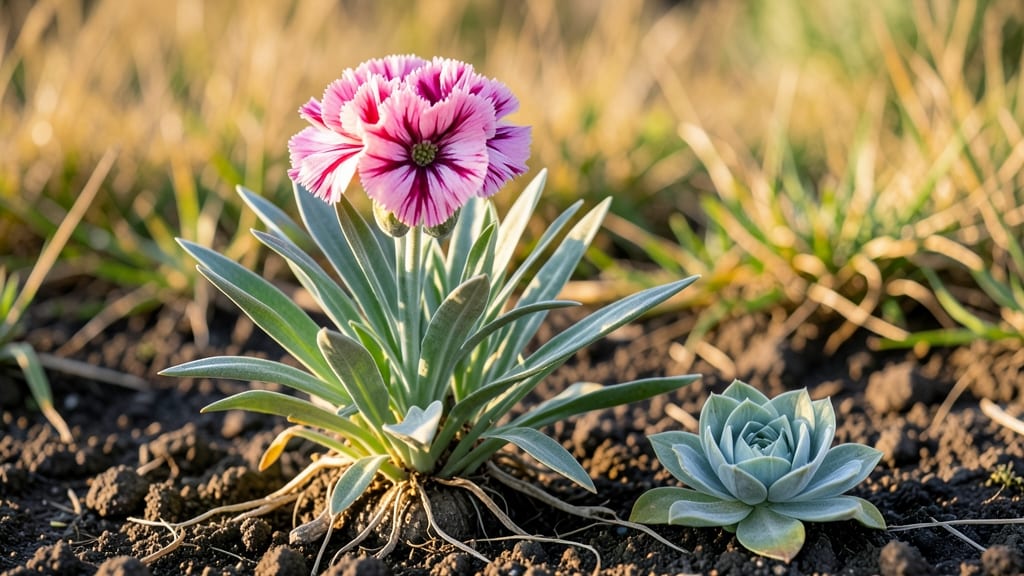
💥 Quick Answer Carnations behave as annuals in most climates because cold winters kill their foliage, but they're actually perennials in warmer zones (USDA 7-11), regrowing from their roots each spring with proper…
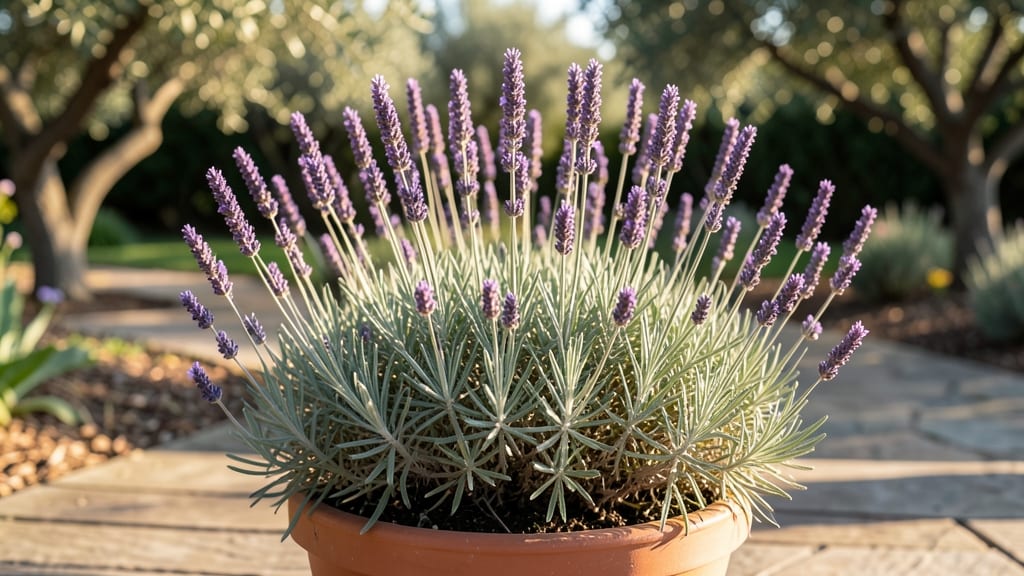
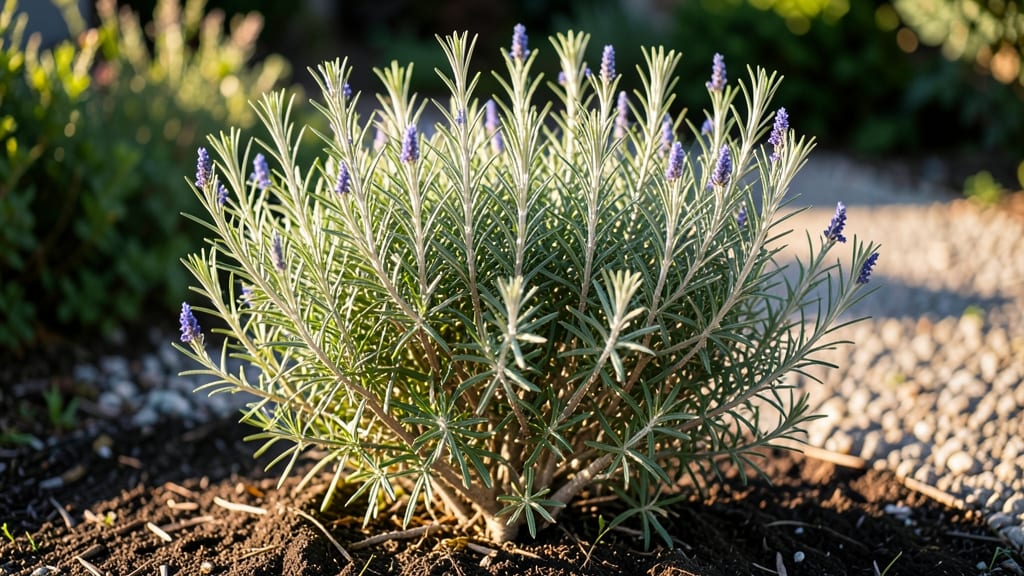
💥 Quick Answer Lavender can be perennial in Zone 7, but it often experiences winter dieback without proper protection, so mulching, shelter, or cold-resistant varieties like English lavender ( Lavandula angustifolia )…
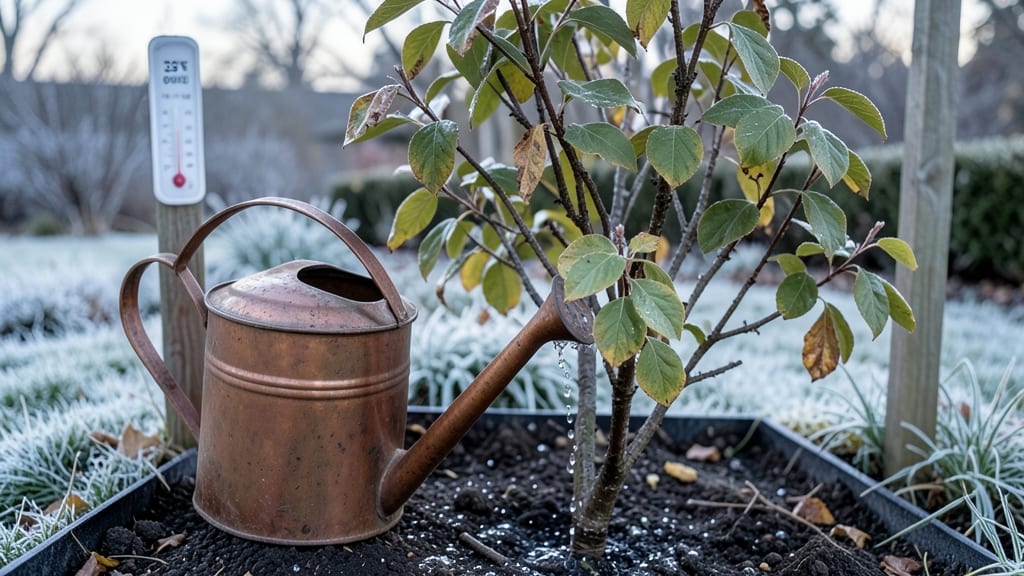
💥 Quick Answer Watering plants before a freeze does not help—they need dry roots to survive freezing temperatures, as excess moisture can cause root rot or ice damage. Instead, focus on protecting foliage and insulating…
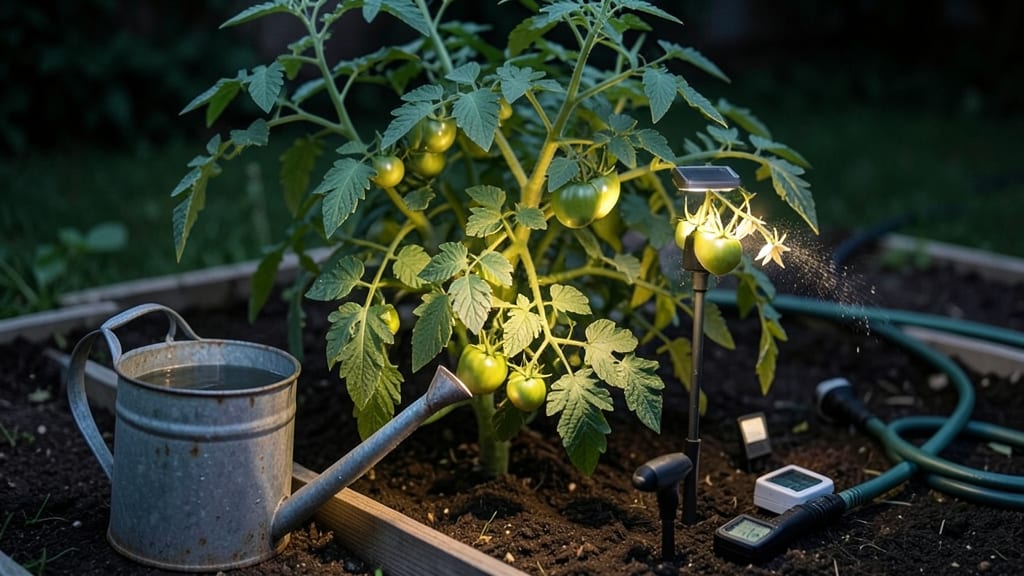
💥 Quick Answer Watering plants at night during summer months generally isn't recommended because it increases fungal risks, attracts pests, and stresses plants through excess humidity—though desert plants or…
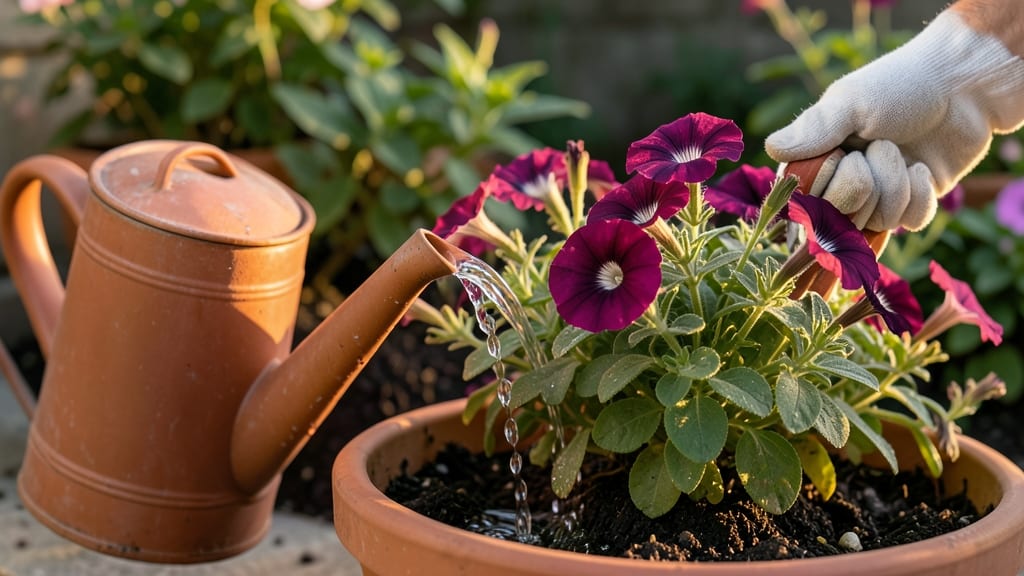
💥 Quick Answer Petunias don't like a lot of water—they prefer soil that stays evenly moist but never soggy, watering only when the top inch feels dry to the touch. Too much water causes root rot and yellowing leaves…
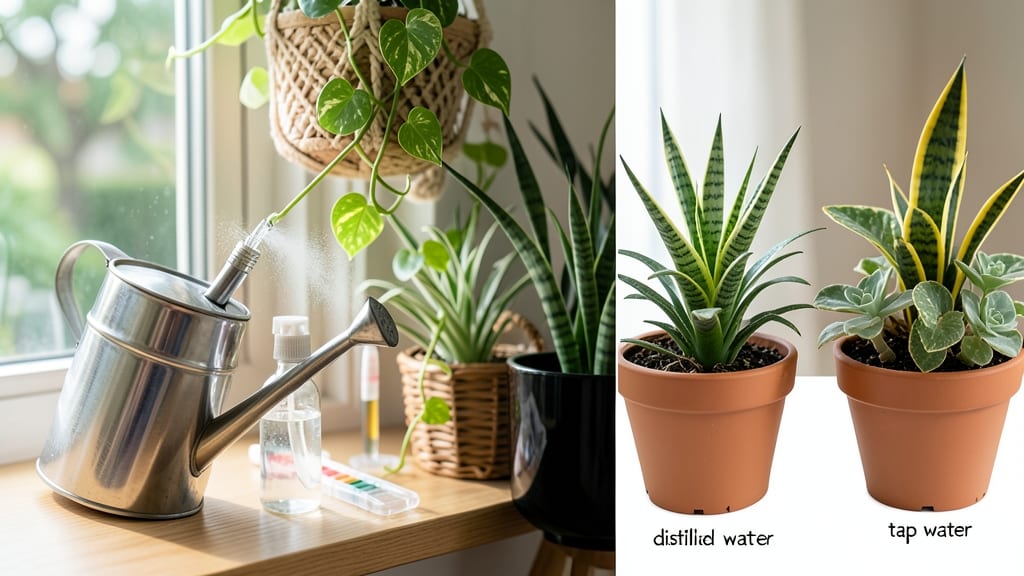
💥 Quick Answer Is distilled water okay for plants? It’s generally safe in small doses, but using it long-term can stunt growth by removing essential minerals like calcium, magnesium, and potassium that roots need from…
💥 Quick Answer Rosemary is a perennial in Zone 7 when given proper winter care, including heavy mulching or protective coverings, since it can't tolerate prolonged freezing below 10°F . Trimming back before winter…
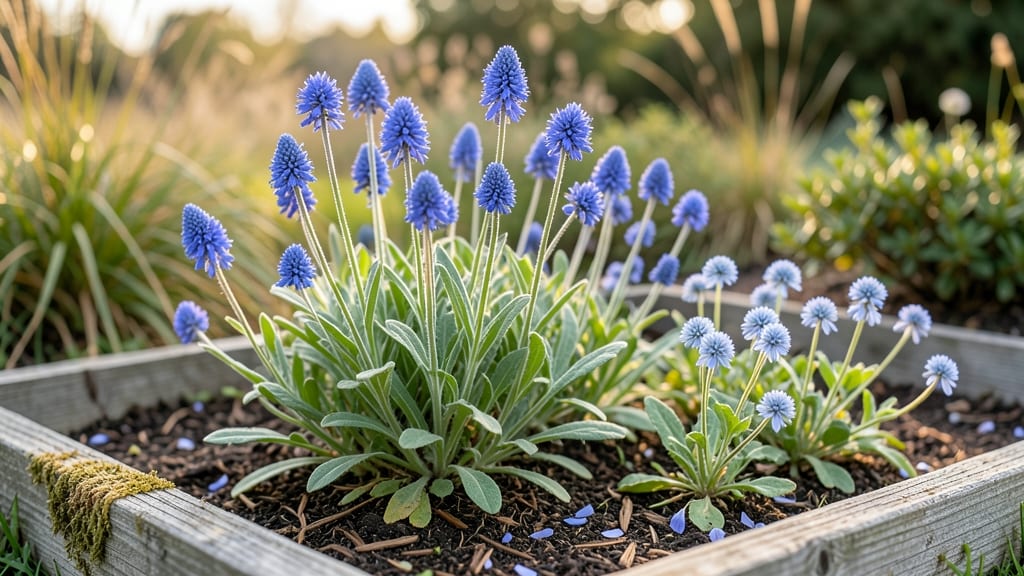
💥 Quick Answer Forget-me-not flowers are technically perennials but are usually treated as annuals because they rarely survive harsh winters beyond 2-3 years. Their longevity depends entirely on climate conditions and…
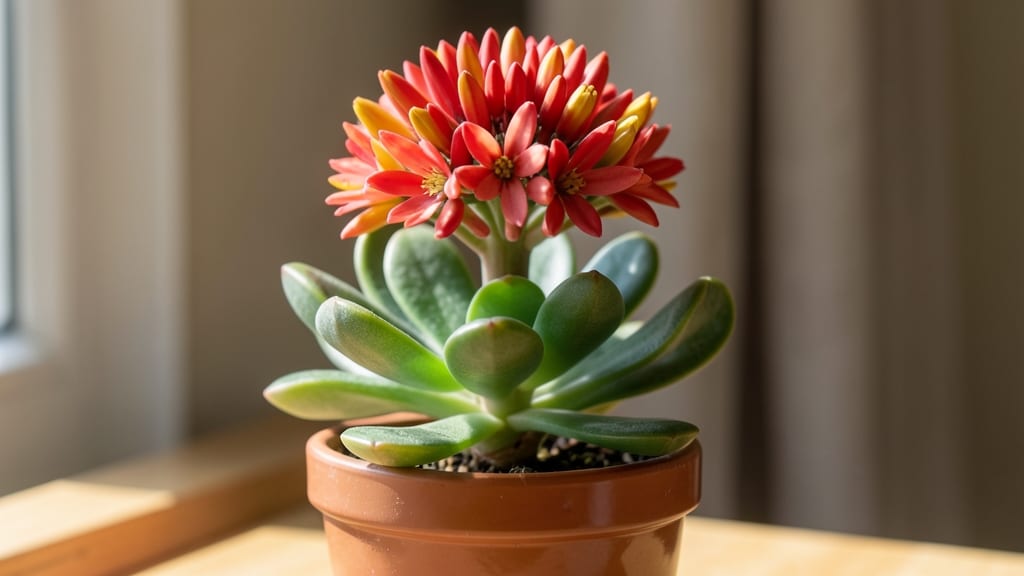
💥 Quick Answer The kalanchoe plant acts as a perennial in warmer climates but experiences seasonal dieback in cooler areas, regrowing from its base each spring when temperatures rise. The kalanchoe's resilience comes…
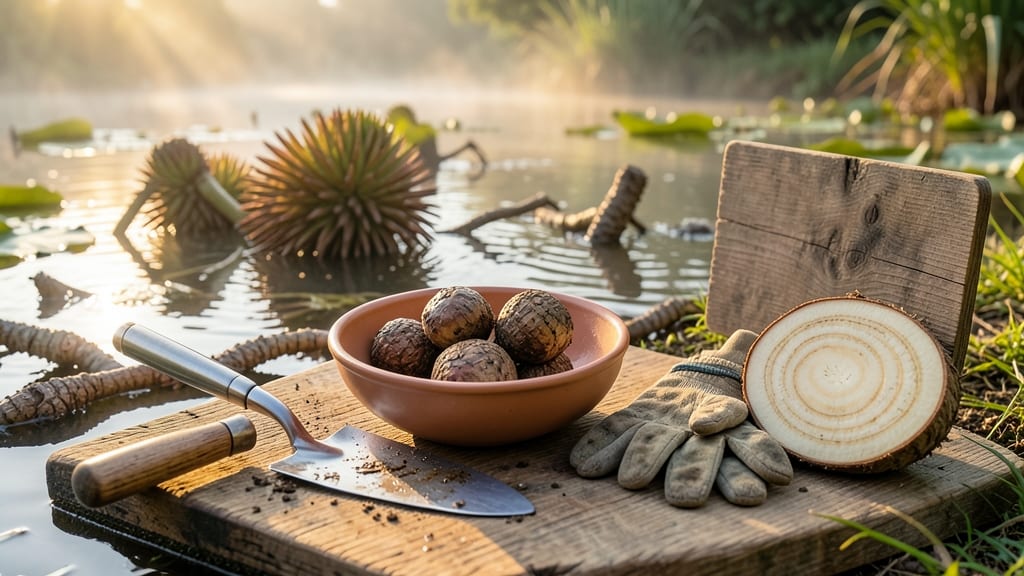
💥 Quick Answer Water lily roots are edible and nutritious, offering a mild, slightly sweet potato-like flavor with high starch content, vitamins, and minerals. Always harvest from non-toxic varieties like Nelumbo…