
Planting
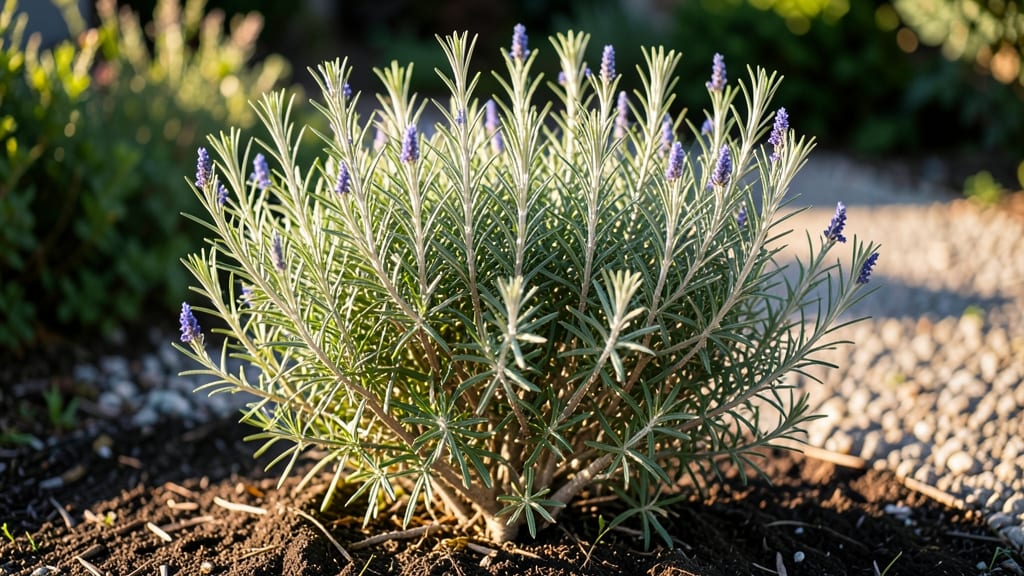
Rosemary is a perennial in Zone 7 when given proper winter care, including heavy mulching or protective coverings, since it can't tolerate prolonged freezing below 10°F. Trimming back before winter boosts its chances of returning stronger in spring.
Zone 7's winter temperatures—ranging from 0°F to 10°F—can push rosemary to its limits, but this hardy herb often rebounds with the right precautions. 🌿 The key lies in insulation: a thick layer of mulch (at least 4-6 inches) mimics natural ground protection, while burlap wraps or frost blankets create microclimates that shield tender stems.
I've seen rosemary survive Zone 7 winters when planted in containers moved to sheltered spots, proving adaptability with a little strategy.
What sets rosemary apart is its resilience once established. Unlike annuals that die back completely, perennials like rosemary send out new growth from their root systems—if they survive the cold.
That's why pruning before winter isn't just about aesthetics; it redirects energy to root development, giving your plant a head start when warmer weather returns.
💡 In This Article
- Rosemary’s Cold Hardiness in Zone 7 Explained
- Protecting Rosemary Over Winter in Zone 7 Gardens
Rosemary’s cold hardiness in Zone 7 explained
Rosemary naturally thrives in USDA hardiness zones 6 through 10, but its true resilience depends on winter temperatures. Zone 7's range of 0°F to 10°F falls right at the edge of rosemary's tolerance—prolonged exposure below 10°F can kill the tops but often spares the roots.
The plant's native Mediterranean climate means it's adapted to mild winters, not freeze-thaw cycles. This is why gardeners in Zone 7 frequently see rosemary die back completely only to regrow from the base in spring.
The magic number for rosemary survival is 15°F—this is the threshold where most varieties can handle brief cold snaps without protection. However, Zone 7's unpredictable dips below this mark mean the difference between a thriving perennial and a lost investment.
What's fascinating is how rosemary's woody stems conduct cold differently than herbaceous plants. The outer bark acts as natural insulation, but when moisture combines with freezing temperatures, the cells rupture—this is why mulching becomes critical.
Consider this comparison: In Zone 8 (10°F to 20°F), rosemary often survives winters with minimal care, while Zone 6 (-10°F to 0°F) requires more aggressive protection. The 3-4°F difference between Zone 6 and 7 makes all the difference in rosemary's perennial status.
I've observed that plants in microclimates—like south-facing slopes or near buildings—often fare better because they experience 5-10°F warmer nighttime temperatures than open garden beds.
Here's what happens when rosemary gets too cold: The cell membranes in its leaves and stems become brittle, and ice crystals form within the plant tissues. This cellular damage is irreversible, which is why you'll often see rosemary stems turn black and mushy after hard freezes.
The good news? Rosemary's root system remains viable down to 0°F if properly insulated, which is why it can bounce back so dramatically in spring when given the right conditions.
For gardeners pushing rosemary's limits in Zone 7, container growing offers an advantage. Potted rosemary can be moved to protected locations or wrapped in insulating materials, creating a buffer against temperature swings.
The key is understanding that rosemary's perennial nature in Zone 7 isn't about avoiding all cold—it's about managing the duration and severity of freezing periods. With proper care, you'll see new growth emerge from the base within 2-4 weeks of spring's first warm spell.
What most gardeners don't realize is that rosemary's cold tolerance improves with age. Younger plants (1 year old) are more vulnerable than established bushes (3+ years).
This is because mature rosemary develops thicker, more insulating bark and a more extensive root system that can store more energy for regrowth. The science here involves cambial activity—the plant's growth layer—that becomes more robust with each growing season.
Remember this rule of thumb: If your Zone 7 winters typically stay above 5°F for most of the season, rosemary has a good chance of surviving as a perennial. But if you experience frequent dips below 10°F, you're flirting with disaster unless you implement protective measures.
The payoff? A well-cared-for rosemary plant can live for 10-15 years or more, providing fresh herbs year after year with minimal effort once established. 🌿