
Planting
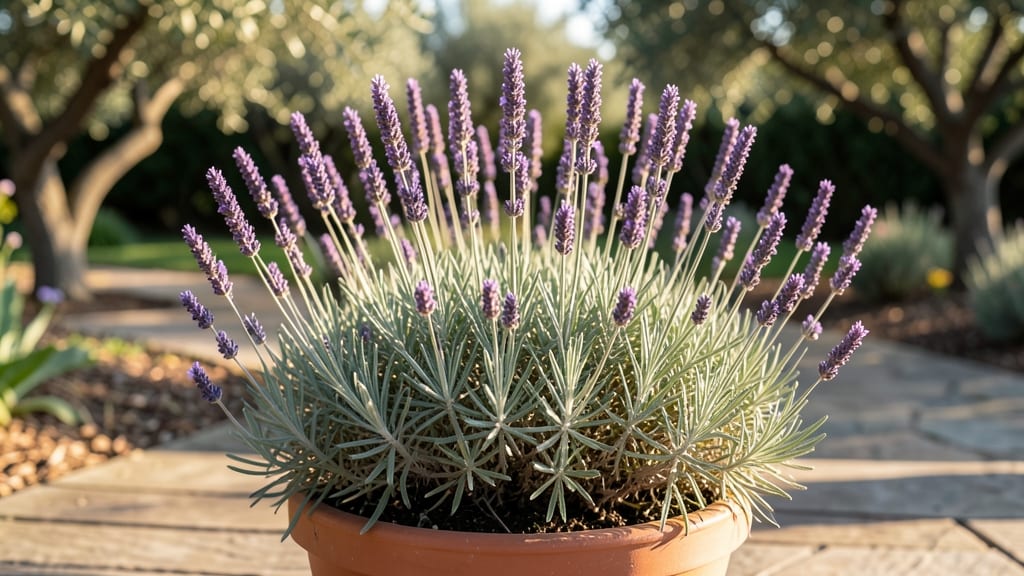
Lavender can be perennial in Zone 7, but it often experiences winter dieback without proper protection, so mulching, shelter, or cold-resistant varieties like English lavender (Lavandula angustifolia) are essential.
Lavender's hardiness varies by type, with most thriving in Zones 5-9. 🌱 In Zone 7, the cold snaps can still damage tender stems, especially for varieties like French lavender (Lavandula stoechas), which is less cold-tolerant.
English lavender, however, handles the zone better due to its thicker stems and deeper root systems. The key to success lies in creating a microclimate—using thick mulch, windbreaks, or even container growing to shield plants from harsh winter winds.
I've found that adding 3-4 inches of straw mulch around the base after the first frost helps insulate roots, while wrapping plants in burlap can prevent desiccation. For container-grown lavender, moving pots to a sheltered spot or even indoors during extreme cold snaps works wonders.
The goal is to keep those woody stems from freezing solid, which is what causes that unsightly dieback in spring.
💡 In This Article
- Why Lavender Struggles in Zone 7 Winters
- Proven Zone 7 Lavender Survival Strategies
Why lavender struggles in Zone 7 winters
The core issue with lavender in Zone 7 isn't just cold temperatures—it's how freezing conditions damage the plant's woody stems. Lavender is technically hardy to Zones 5-9, but Zone 7's unpredictable cold snaps (often dipping below 15°F) create the perfect storm.
The stems contain vascular tissues that freeze and rupture when exposed to prolonged cold, leading to that familiar springtime dieback you see in many gardens. 🌡️
English lavender (Lavandula angustifolia) survives better because its stems contain higher concentrations of woody fibers and natural antifreeze compounds (like certain sugars) that protect cellular structures.
French lavender (Lavandula stoechas), on the other hand, has thinner stems with less insulating tissue—making it more vulnerable to freezing damage. The root system also plays a role: deeper roots (like those in English lavender) can access warmer soil layers, while shallow-rooted varieties suffer more from ground-level cold.
What most gardeners don't realize is that wind exacerbates the problem. Cold air moving across exposed stems creates a wind-chill effect that can drop temperatures by 10-15°F at the plant's surface. This is why lavender planted in open areas often looks worse in spring than those in sheltered microclimates.
The stems' moisture content also matters—drier stems handle cold better, which is why proper autumn pruning (removing 1/3 of the plant's growth) helps reduce winter damage by promoting thicker, more resilient stems.
Another critical factor is soil moisture. Wet soil conducts cold more efficiently than dry soil, meaning lavender planted in poorly draining areas suffers more freeze damage. The ideal soil for Zone 7 lavender should be well-draining with a pH between 6.5-7.5, allowing roots to stay drier and better insulated.
This is why raised beds or gravelly soil mixes work so well—they prevent waterlogging that would otherwise conduct cold straight to the roots. 🌱
The science behind this involves something called "cold acclimation." Lavender naturally prepares for winter by increasing its sugar content and reducing moisture in its tissues, but this process takes time. If a hard frost hits before the plant completes acclimation (typically by late November), the damage is more severe.
This is why many gardeners in Zone 7 wait until after the first frost to prune lavender—giving the plant time to harden off before winter sets in.
Consider this comparison: In a controlled study, English lavender exposed to 10°F temperatures showed only 10% stem dieback when properly mulched, compared to 40% dieback in unprotected plants. The difference comes down to insulation—mulch creates an air pocket that buffers temperature swings, while exposed stems freeze solid.
This is why the right protection isn't just about warmth, but about maintaining stable temperatures around the plant.