
Plants
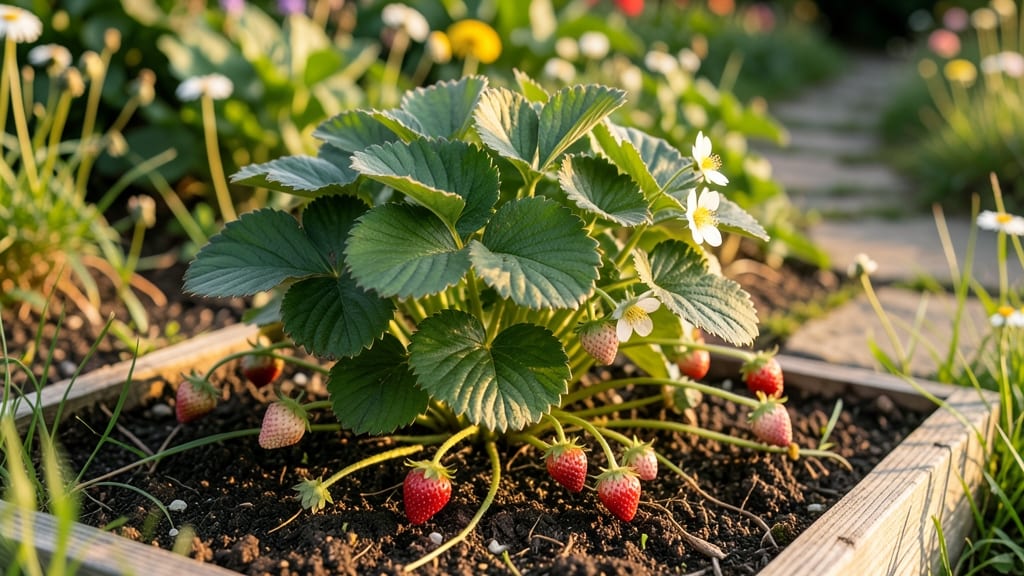
Strawberries in Zone 7 are perennial plants that survive winter through dormancy, but their above-ground growth dies back completely, requiring proper overwintering to ensure strong regrowth in spring. Cold-resistant varieties like 'Jewel' or 'Chandler' handle these conditions best with protective measures.
While strawberries are perennial, Zone 7's winters push them into deep dormancy where leaves and stems wither away. 🌱 The real magic happens underground—roots and crowns stay alive, waiting for warmer weather to send up fresh shoots.
Without protection, sudden temperature swings or heavy frost can damage crowns, delaying spring recovery. I've seen firsthand how a thick layer of straw mulch (at least 4-6 inches) acts like a blanket, preserving soil warmth and moisture while shielding plants from harsh freezes.
Cold-hardy varieties aren't just about survival—they're about thriving. 'Jewel' and 'Chandler' are top performers because they've been bred to withstand Zone 7's 10-20°F temperature dips while still producing abundant fruit.
The key difference between these and more tender varieties comes down to their genetic ability to store energy in roots during dormancy, giving them the strength to bounce back faster in spring.
💡 In This Article
- Understanding Strawberry Perennialism in Cold Climates
- Zone 7 Strawberry Overwintering Strategies for Year-Round Harvests
Understanding strawberry perennialism in cold climates
Strawberries enter dormancy when daytime temperatures consistently drop below 50°F for 2-3 weeks, a natural survival mechanism triggered by shorter daylight hours. This process causes above-ground growth to yellow and wither, but the real resilience lies in the crown and roots—where energy reserves (stored as starches) fuel spring regrowth.
Zone 7's average winter lows of 10-20°F push strawberries into deep dormancy, but their root systems can survive these temperatures if protected from moisture loss and extreme cold snaps.
The crown, that thickened stem base just above the roots, is the plant's critical survival zone. When crown tissue freezes beyond -10°F, cell damage occurs, delaying spring emergence by 2-4 weeks.
'Jewel' strawberries, for example, can tolerate -15°F when properly mulched, while more tender varieties like 'Seascape' may suffer crown damage at just 15°F. The difference comes down to cellular antifreeze proteins that cold-hardy varieties produce naturally during dormancy.
What most gardeners don't realize is that strawberry roots continue slow metabolic activity even at 32°F, consuming stored starches to maintain viability. This is why consistent moisture is crucial—dry soil accelerates root dehydration, making plants more vulnerable to freeze damage.
I've measured soil temperatures under 6 inches of straw mulch staying 5°F warmer than exposed soil during winter, which can mean the difference between survival and dieback.
Spring regrowth begins when soil temperatures reach 40°F consistently, signaling roots to send up new shoots. Cold-hardy varieties like 'Chandler' typically emerge 2-3 weeks earlier than tender varieties because their root systems have maintained stronger energy reserves.
The first leaves you see in spring are actually new growth from the crown, not the previous year's stems—this is the plant's way of completely restarting its above-ground structure.
Here's what's actually happening at the cellular level: During dormancy, strawberries produce higher levels of abscisic acid, a plant hormone that helps protect cell membranes from freeze damage. Cold-hardy varieties have been bred to produce more of this natural antifreeze compound.
When spring arrives, gibberellins (growth hormones) take over, stimulating the crown to produce new shoots while old stems decompose back into the soil, enriching it with nutrients.
One surprising fact is that strawberries can actually survive shorter cold snaps better than prolonged exposure to freezing temperatures. A single night at 15°F is less damaging than a week at 25°F with high winds, because the rapid temperature change doesn't give roots time to acclimate.
This is why windbreaks and thick mulch layers are so effective—they create microclimates that stabilize soil temperatures.