
Plants
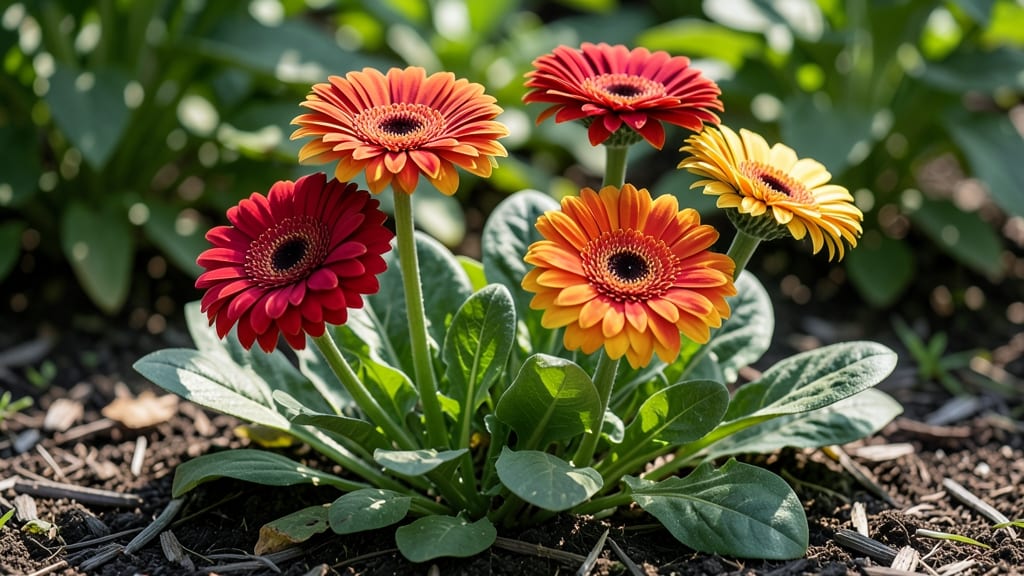
Gerbera daisies are not true perennial plants in most climates—they die back to the ground each year in cold zones but can regrow from their root systems if winter conditions are mild. In warmer regions, they may behave like perennials, though gardeners typically treat them as short-lived perennials or annuals in cooler areas.
Gerbera daisies confuse many gardeners because their tuberous roots can survive winter dormancy in frost-free zones, making them act like perennials. 🌱 However, in colder climates (USDA Zones 7 and below), their tops freeze back completely, and they rely on protected root systems to regrow in spring.
The key difference from true perennials like daylilies is their sensitivity to freeze-thaw cycles—even a single hard frost can kill the foliage if not properly protected.
This behavior explains why you'll see gerberas sold as both perennials and annuals: their longevity depends entirely on winter conditions. In my experience, the plants that survive harsh winters often produce even more vibrant blooms the following season, proving that their root systems are tougher than their delicate-looking flowers suggest.
💡 In This Article
- Why Gerbera Daisies Act Like Perennials in Warm Climates
- How to Overwinter Gerbera Daisies in Cold Zones
Why gerbera daisies act like perennials in warm climates
Gerbera daisies thrive as perennials in warm climates because their survival strategy revolves around a specialized tuberous root system. Unlike true perennials like daylilies, which send up new shoots from the same root crown year after year, gerberas store energy in thickened underground tubers.
These tubers contain starch reserves that fuel regrowth when conditions improve. In USDA Zones 8-11, where winter temperatures rarely drop below 20°F, these tubers remain dormant but intact, allowing the plant to emerge each spring with minimal intervention.
The magic happens when soil temperatures rise above 55°F—this triggers the tubers to break dormancy and send up new shoots. The plant's ability to regrow depends entirely on protecting these roots from freeze damage.
In frost-free zones, gerberas can live for 3-5 years or longer, producing vibrant blooms season after season. The key difference from true perennials is that gerberas don't maintain an above-ground structure through winter; instead, they rely completely on their underground storage organs. 🌱
What makes this adaptation fascinating is how gerberas balance their delicate flower structure with their hardy root systems. The above-ground parts are frost-sensitive, but the tubers can withstand temperatures down to 15°F if protected by mulch or snow cover.
This dual nature explains why gardeners in mild climates often treat them as perennials while those in colder regions must take special overwintering measures. The plant's survival hinges on this root system's ability to store and release energy efficiently.
Consider this comparison: True perennials like hostas maintain continuous growth through winter, while gerberas undergo complete seasonal dieback. The tuber system acts like a biological battery—storing energy during the growing season to power regrowth when conditions become favorable again.
This strategy allows gerberas to thrive in warm climates where they can complete their life cycle annually without replanting. The trade-off is their vulnerability to cold snaps that can damage these critical storage organs.
In practical terms, this means gerberas in warm zones require minimal care beyond regular watering and deadheading. The tubers handle the rest, emerging reliably each spring. However, in cooler climates, gardeners must intervene to protect these same tubers from freeze damage.
The plant's entire survival depends on maintaining this delicate balance between above-ground beauty and below-ground resilience. 💛
One fascinating detail is how gerbera tubers respond to temperature changes. Research shows they begin active growth when soil temperatures reach 50°F, but true dormancy occurs below 40°F. This temperature sensitivity explains why gerberas thrive in Mediterranean climates but struggle in continental zones with harsh winters.
The plant's entire lifecycle is synchronized with these temperature cues, making climate a critical factor in determining whether gerberas will behave as perennials or annuals.