
Neem Oil
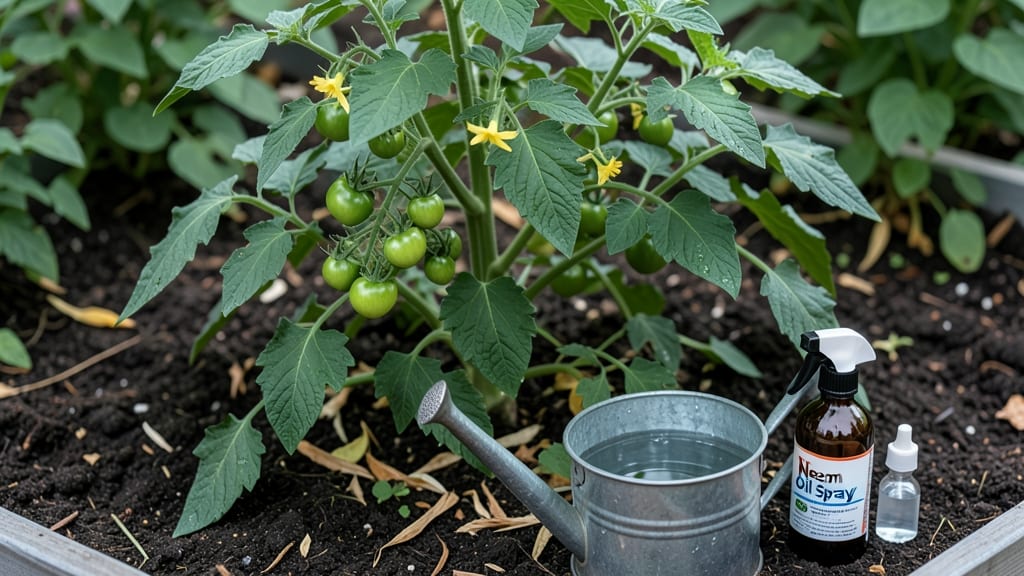
You can water plants after applying neem oil only after 24 hours to prevent washing away the treatment. Immediate watering removes the protective layer, reducing its effectiveness against pests and fungal diseases.
Neem oil works by coating plant surfaces with natural compounds like azadirachtin, which disrupts pests' life cycles and inhibits fungal growth. 🌱 When you water too soon, these compounds get diluted or washed off before they can fully bind to leaves and stems.
The 24-hour window lets the oil dry and create a protective barrier, maximizing its benefits for up to 2-3 weeks.
For best results, apply neem oil in the early morning or late evening when temperatures are cooler. Use a spray bottle or pump sprayer for even coverage, and avoid overhead watering for at least a full day.
If you must water before 24 hours, consider drip irrigation to minimize contact with treated foliage.
💡 In This Article
- How Neem Oil Works and Why Timing Matters
- Best Practices for Applying Neem Oil Safely
How neem oil works and why timing matters
Neem oil's effectiveness comes from its complex chemical makeup, primarily azadirachtin and fatty acids like oleic and linoleic acid. These compounds create a protective film on plant surfaces that disrupts pests' feeding habits and hormonal balance.
When applied, the oil's fatty acids bind to the waxy cuticle layer of leaves, creating a hydrophobic barrier that repels insects and fungi. 🌿 This process requires dry conditions to work properly—water immediately after application acts like a solvent, dissolving the oil before it can fully adhere.
The 24-hour drying period is critical because it allows the oil to penetrate the plant's surface and form a stable bond. During this time, the active compounds begin their work: azadirachtin interferes with insect molting and reproduction, while the fatty acids smother fungal spores.
Studies show that neem oil's residual protection lasts 2-3 weeks when properly applied, but this effectiveness drops dramatically if watered too soon. For example, overhead watering within 6 hours can reduce the treatment's efficacy by up to 70%.
This timing also prevents the oil from clogging stomata (plant pores), which could actually harm your plants. When neem oil sits too long on leaves, it can create a suffocating effect if combined with high humidity or poor airflow.
The 24-hour rule balances protection and plant safety—enough time for the oil to work, but not so long that it risks phytotoxicity. Think of it like applying sunscreen: you want it to absorb before swimming or sweating.
Different plant types react slightly differently to neem oil. Succulents and cacti, with their thick, waxy surfaces, may require up to 48 hours of dry time, while tender annuals like basil might handle the 24-hour window more easily.
Always test a small leaf first to check for sensitivity. The oil's viscosity also plays a role—thicker formulations (like cold-pressed neem oil) adhere better than thin, watery mixes, which may need even longer drying times.
Understanding this mechanism helps explain why many gardeners report better results when they apply neem oil in early morning and water only after sunset. The cooler temperatures slow evaporation, giving the oil more time to bind.
This approach mirrors how professional organic farmers maximize neem oil's potential while minimizing water waste. The key is patience—letting nature do the work of drying the treatment properly.
What most people don't realize is that neem oil's scent (that distinctive earthy, garlic-like aroma) actually fades as it dries. A strong smell immediately after application suggests the oil is still active and needs time to settle.
When the aroma becomes milder, that's your cue that the 24-hour window is nearly complete and watering is safer. 🌱