
Flowers
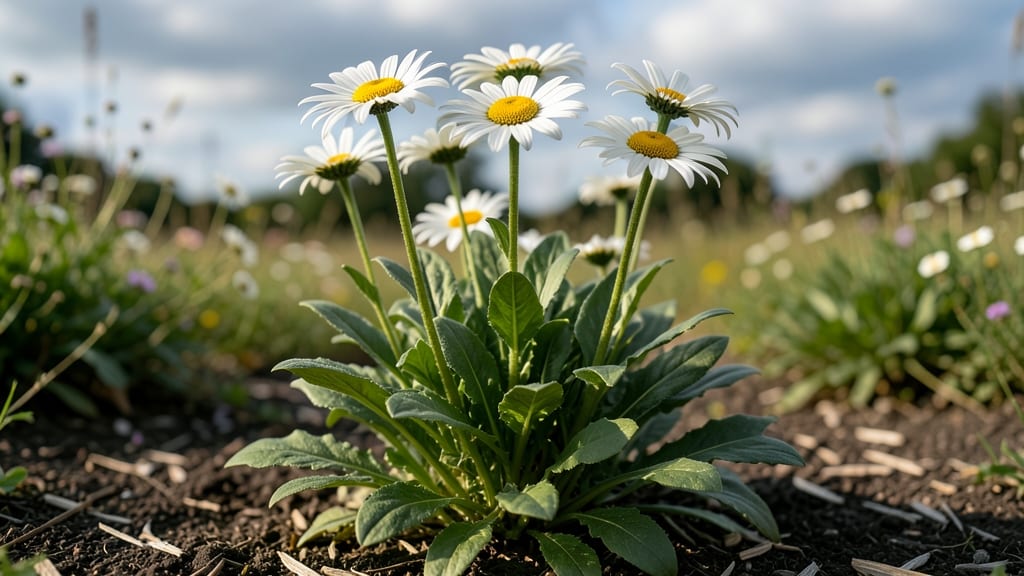
Yes, daisies are perennials that survive winter by dying back to the ground, then regrowing from their root system when spring arrives. Their hardy nature depends on climate, species, and proper care during dormancy.
This dieback-and-regrowth cycle is what sets perennials like daisies apart from annuals. 🌱 While annuals complete their entire lifecycle in one season, daisies store energy in their roots during winter, allowing them to push new growth once temperatures rise.
The key to their survival lies in how well they adapt to seasonal changes—some varieties thrive in colder climates, while others need protection from harsh freezes. Proper winter care, like mulching and avoiding overwatering, can make all the difference in whether your daisies bounce back next spring.
What's fascinating is how different daisy species handle dormancy. For instance, Shasta daisies are hardy perennials that can withstand USDA Zone 5 winters, while African daisies (like Gerbera) are often grown as annuals in colder regions because they're less cold-tolerant.
This variation means gardeners must choose species suited to their local climate or take extra steps to protect tender varieties during winter.
💡 In This Article
- Why Daisies Die Back Before Regrowing Each Year
- Best Practices for Overwintering Perennial Daisies
Why daisies die back before regrowing each year
The dieback process in daisies is a survival strategy rooted in their biology as perennials. Unlike annuals that complete their lifecycle in one season, daisies store carbohydrates and nutrients in their crown (the base of the plant) and roots during dormancy.
When temperatures drop below 40°F, the above-ground foliage yellows and wilts—a response triggered by shorter daylight and cooler air. This isn't death, but a carefully timed shutdown to conserve energy.
Here's what's happening at the cellular level: Daisy leaves contain chlorophyll, which breaks down during dormancy, turning pigments yellow or brown. Meanwhile, the roots remain active, storing energy in the form of starches and sugars—up to 30-40% of their dry weight in some hardy varieties.
This stored energy fuels regrowth when spring arrives. 🌱 The key difference from annuals? Perennials like daisies prioritize root health over seed production, ensuring they can persist year after year.
Climate plays a critical role in this cycle. In USDA Zones 5-9, most daisy species naturally enter dormancy, while tropical varieties (like African daisies) may not survive freezing temperatures without protection.
The dieback isn't random—it's a response to photoperiodism (daylight changes) and vernalization (cold exposure), which signals the plant to pause growth. This adaptive mechanism allows daisies to survive winters as cold as -20°F in some cases, depending on the species.
What most gardeners don't realize is how water management affects this process. Overwatering during dormancy can lead to root rot, while proper mulching (2-3 inches of straw or leaves) insulates the crown from freezing.
The roots continue breathing through winter, but at a reduced rate—similar to how humans slow their metabolism during hibernation. This balance is why daisies often regrow more vigorously in spring than in fall.
Consider the example of Shasta daisies, which can regrow from just a 1-inch root segment if properly cared for. Their deep taproots (up to 2 feet long) access moisture and nutrients even in dry soil, while their fibrous secondary roots create a network for stability.
This root system is the plant's lifeline—when spring arrives, the stored energy in these roots fuels new shoots within 2-4 weeks, depending on temperature.
The contrast with annuals is striking: Annuals like marigolds or zinnias complete their entire lifecycle in one season, producing seeds before dying. Daisies, however, skip seed production in their first year, focusing instead on building a robust root system.
This delayed gratification is what makes them perennials—able to return year after year with minimal effort from the gardener. 💫