
Flowers
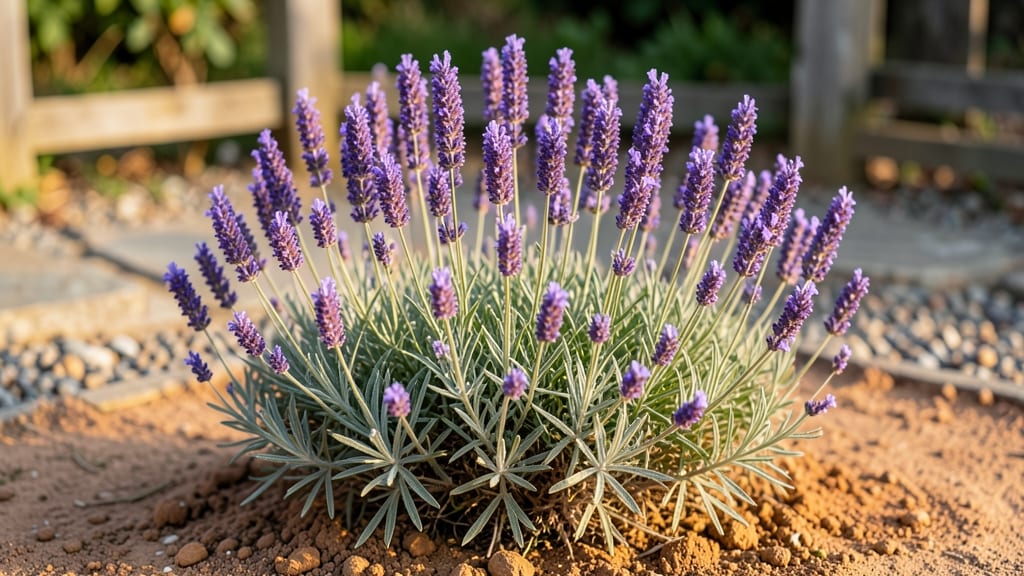
English lavender is indeed a perennial plant, capable of returning each year with consistent care. Its seasonal dieback—where stems brown but roots survive underground—demonstrates its ability to regrow annually under the right conditions.
This hardy herb's perennial nature becomes obvious in late winter when it appears dormant, only to rebound with fresh growth in spring. 🌱 The key difference between annuals and perennials lies in their root systems—perennials like English lavender store energy underground, allowing them to push through soil year after year.
Many gardeners initially confuse its winter dormancy for death, but the persistent roots reveal its true resilience. Proper care during these dormant months, including minimal pruning and adequate mulch, ensures this Mediterranean native thrives for decades in suitable climates.
What sets English lavender apart is its ability to handle cold snaps better than most Mediterranean plants, making it perfect for zones 5-9 with proper winter protection.
The brown stems aren't dead—they're simply conserving energy until warmer temperatures trigger new growth. This cycle repeats annually, proving its perennial classification beyond doubt.
💡 In This Article
- Why English Lavender’s Winter Dieback Proves Its Perennial Nature
- How to Care for English Lavender as a Perennial Plant
Why English lavender’s winter dieback proves its perennial nature
English lavender enters winter dormancy as a survival strategy, where its above-ground stems and leaves brown and appear dead—a process called senescence. This isn't a sign of failure but a biological adaptation to conserve energy during cold months.
The plant's roots, however, remain alive and active underground, storing carbohydrates that fuel spring regrowth. This root system is what classifies lavender as a true perennial, unlike annuals that complete their life cycle in one season.
The browning stems serve as insulation, protecting the plant's core from freezing temperatures. In botanical terms, this is called deciduousness, but unlike trees that shed leaves, lavender retains its woody stems.
Studies show that English lavender can survive temperatures as low as -15°F when properly established, though young plants need winter protection in colder zones. The key difference from annuals lies in these persistent roots, which can live for 10-20 years or more with proper care.
What makes this dormancy cycle so fascinating is the chemical process involved. As temperatures drop, the plant reduces photosynthesis and redirects energy to its roots, where starches are stored. This underground energy reserve allows new shoots to emerge as soon as soil temperatures reach 50°F in spring.
The brown stems aren't dead—they're simply waiting for the right conditions to regenerate, a clear indicator of the plant's perennial nature.
This winter behavior contrasts sharply with annual lavender varieties, which complete their entire life cycle in one growing season. English lavender's ability to regrow from the same root system year after year is what earns it the perennial classification.
The brown stems serve as a visual reminder that the plant is conserving energy rather than dying, a crucial distinction for gardeners planning long-term landscapes.
Consider the hardiness zones where English lavender thrives—typically zones 5-9. In colder areas, gardeners often see lavender die back completely, only to bounce back with vigorous new growth in spring. This resilience is why English lavender has been cultivated for centuries in Mediterranean climates and beyond.
The plant's ability to "rest" during winter months while maintaining viable roots is nature's way of ensuring its long-term survival.
What most gardeners don't realize is that this winter dormancy actually strengthens the plant. The period of inactivity allows the roots to replenish their energy stores, often resulting in more robust growth in subsequent years.
This cycle of dormancy and regrowth is what makes English lavender such a reliable perennial choice for gardens and landscapes.
The science behind this process involves a complex interplay of hormones and environmental cues. As daylight shortens in autumn, the plant's growth hormones shift from promoting leaf and stem growth to focusing on root development and storage.
This hormonal change triggers the senescence we see in winter, while simultaneously preparing the roots for the next growing season. 🌿