I’ve been obsessed with plants since I was a kid, sneaking seeds from my mom’s garden to grow in old tin cans by the back porch. There’s something about watching something small turn into something alive that never gets old. This site is where I share the lessons I’ve learned—from the triumphs (that first tomato!) to the disasters (the time the squash vines took over the whole yard). I aim to make gardening approachable, whether you’re a beginner with a windowsill or a veteran with a full plot.
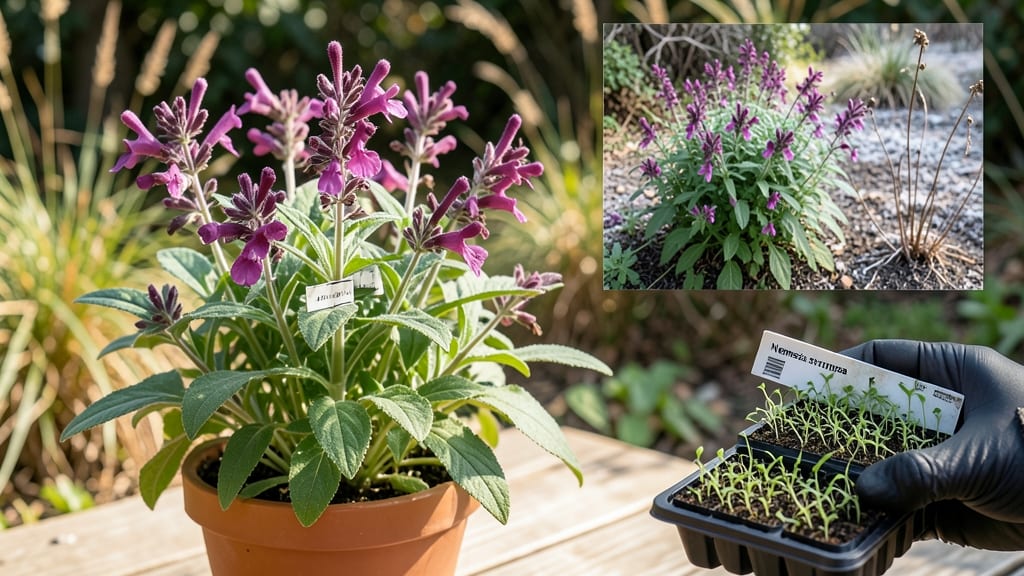
💥 Quick Answer Nemesia isn't a true perennial in most regions, meaning it won't survive winter frost outdoors but can regrow naturally in warmer climates like USDA zones 9-11. Gardeners in colder areas typically treat…
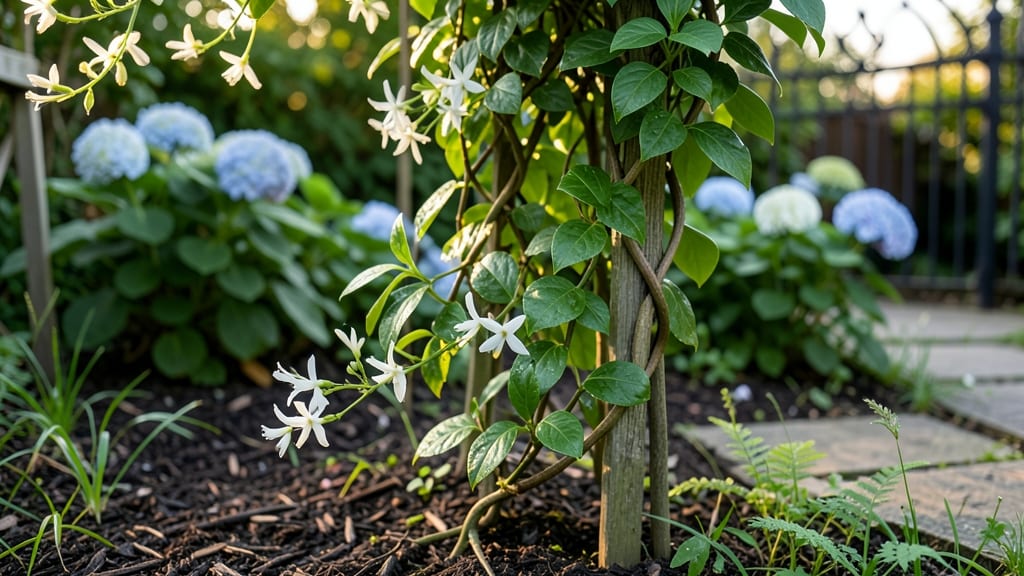
💥 Quick Answer Deciding whether a jasmine plant is annual or perennial depends on your climate: in warm USDA Zones 8-11, it thrives as a hardy perennial, but in colder regions, it behaves like an annual unless you…
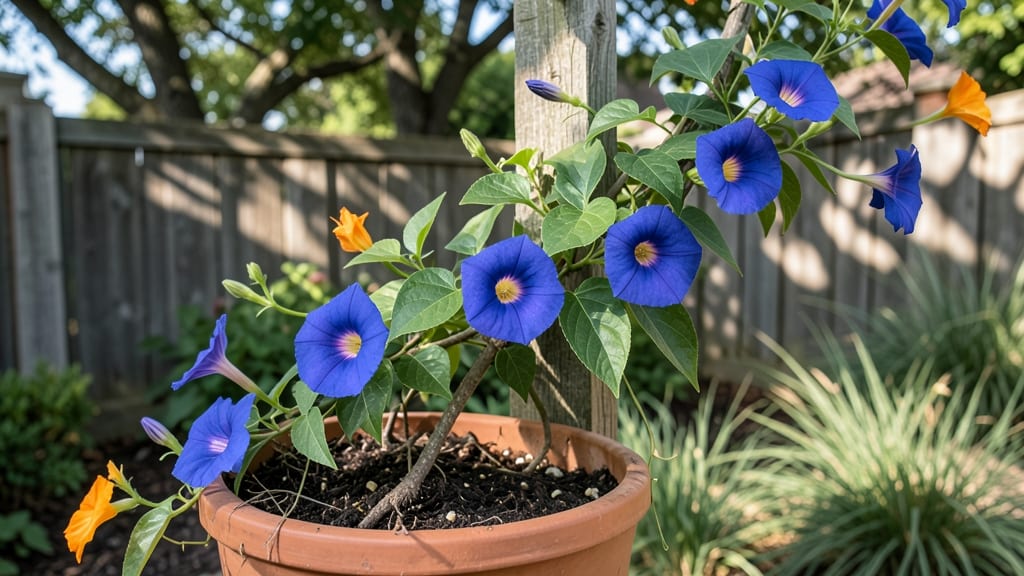
💥 Quick Answer Thunbergia behaves as a perennial in frost-free zones like USDA Zones 10-11, where its tuberous roots remain dormant underground through winter and sprout fresh growth each spring. In colder regions…
💥 Quick Answer Perennials do come back yearly because they store energy in underground root systems, allowing them to regrow from the same base each season. Unlike annuals, they survive winter dormancy and thrive for…
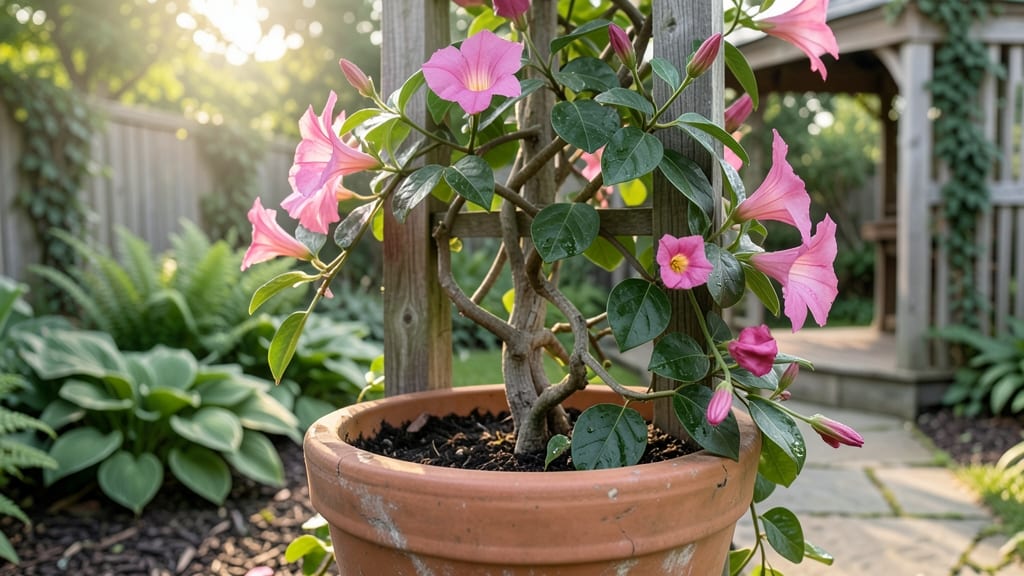
💥 Quick Answer Vining mandevilla behaves as a perennial only in frost-free zones (USDA 9+), where it thrives year-round. In colder climates below 30°F (-1°C) , it dies back completely, though hardy roots often survive…
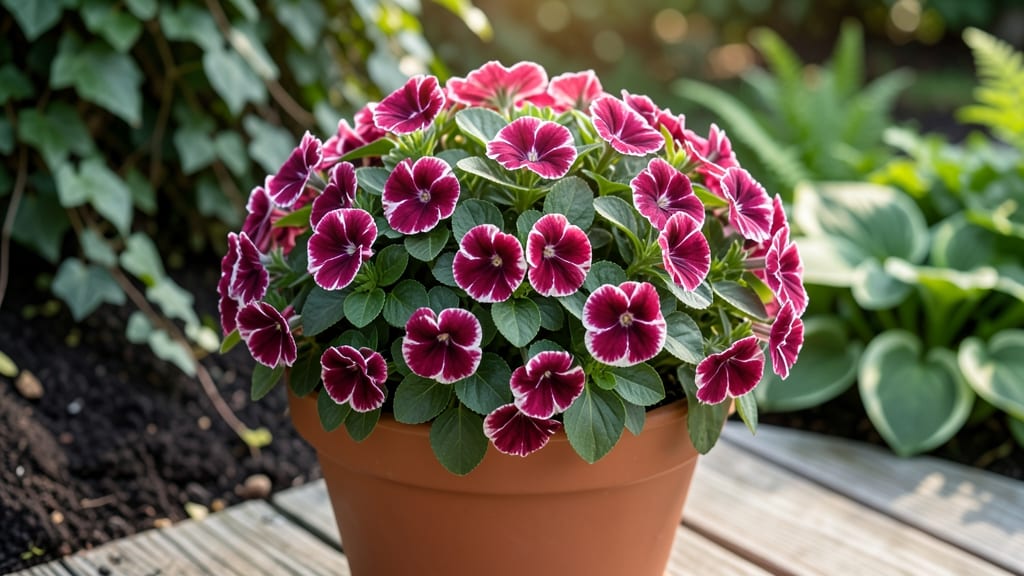
💥 Quick Answer Double impatiens behave as an annual or perennial depending on your climate zone, succumbing to frost but often resprouting from self-sown seeds the following spring. In USDA zones 10-11, they establish…
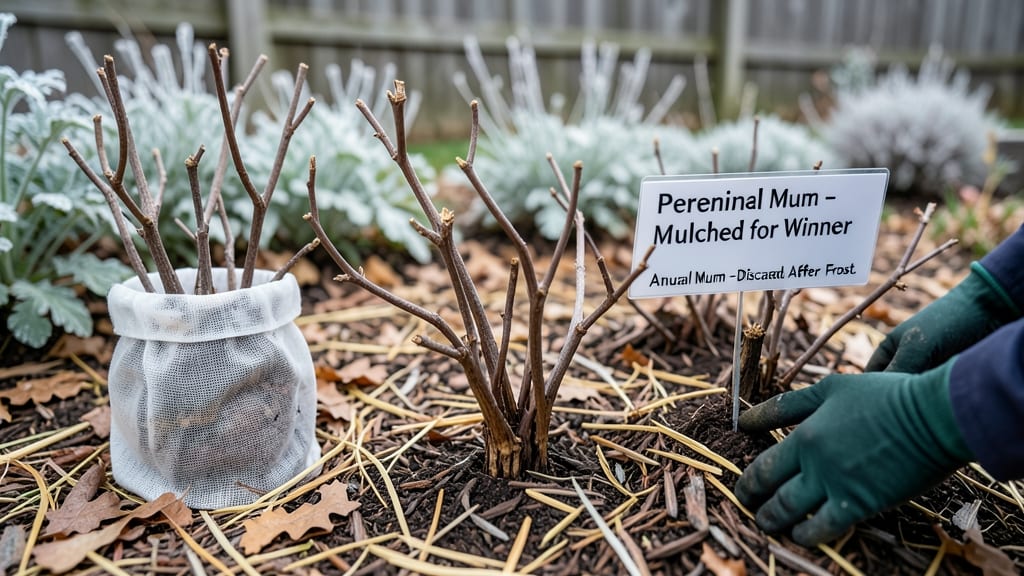
💥 Quick Answer Whether mums are annuals or perennials for winter depends on your climate: they thrive as perennials in mild zones but are typically treated as annuals in colder regions due to frost-sensitive roots…
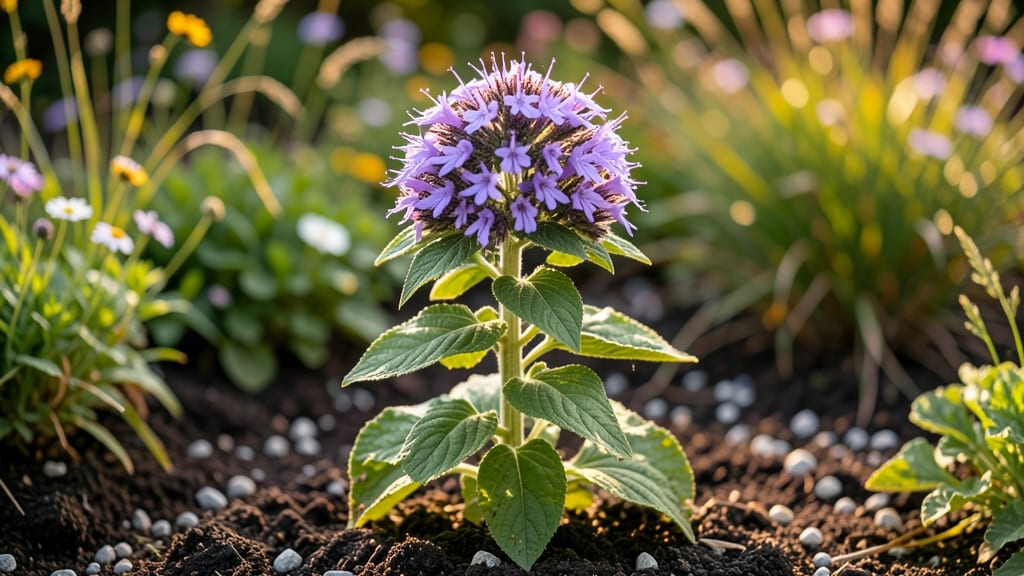
💥 Quick Answer Yes, bergamot is a perennial plant that returns each year from its robust root system, though it may appear dormant or deadback during winter months before spring regrowth. This hardy citrus-scented herb…
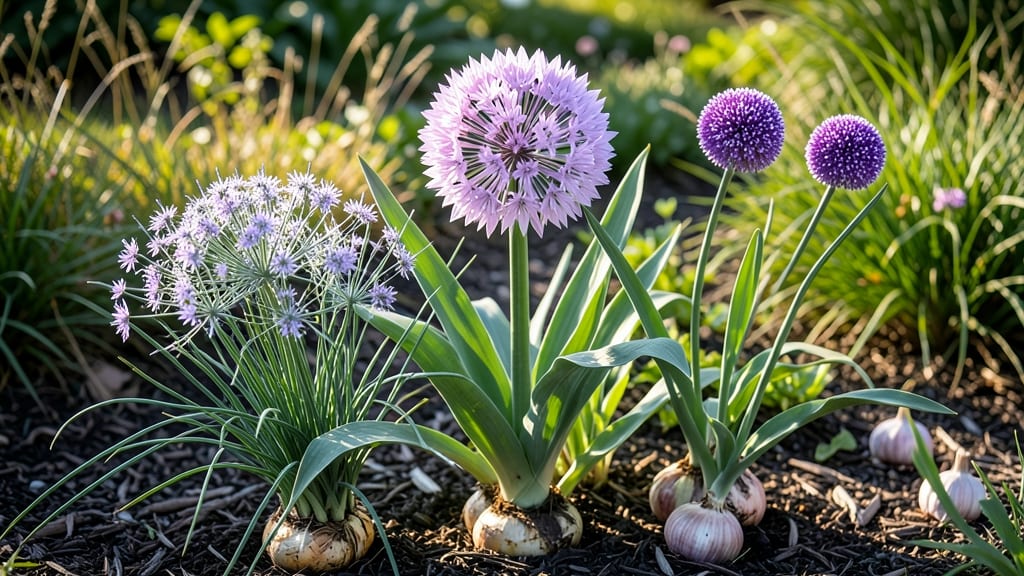
💥 Quick Answer Alliums are perennials in most climates, though they may die back completely after flowering, tricking gardeners into thinking they’re annuals. Their underground bulbs or rhizomes persist year-round…
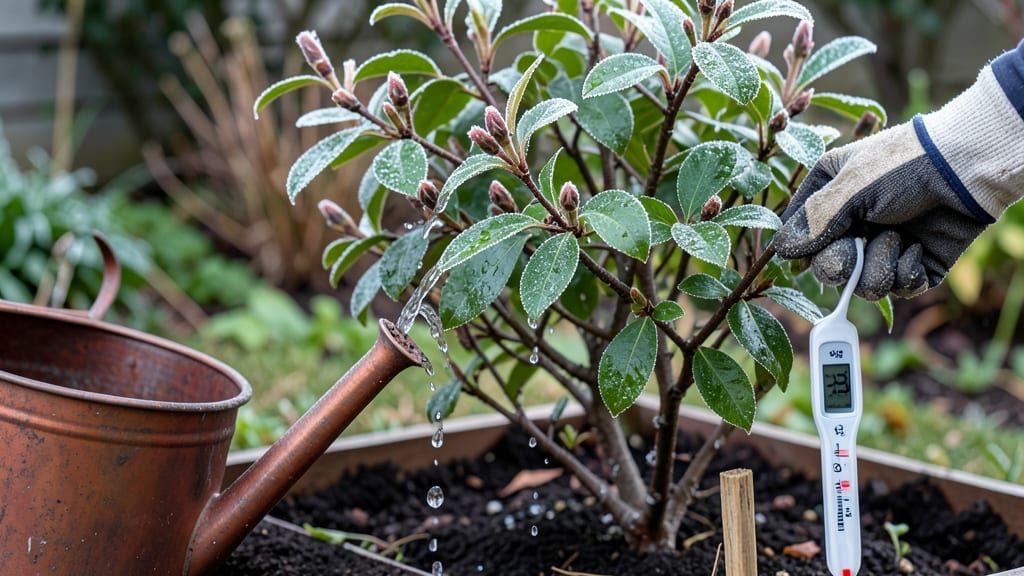
💥 Quick Answer Before a freeze, you should water plants strategically to protect them, as moist soil acts as insulation for roots—but excessive watering risks ice damage. Water deeply 1-2 days before a light freeze…