I’ve been obsessed with plants since I was a kid, sneaking seeds from my mom’s garden to grow in old tin cans by the back porch. There’s something about watching something small turn into something alive that never gets old. This site is where I share the lessons I’ve learned—from the triumphs (that first tomato!) to the disasters (the time the squash vines took over the whole yard). I aim to make gardening approachable, whether you’re a beginner with a windowsill or a veteran with a full plot.
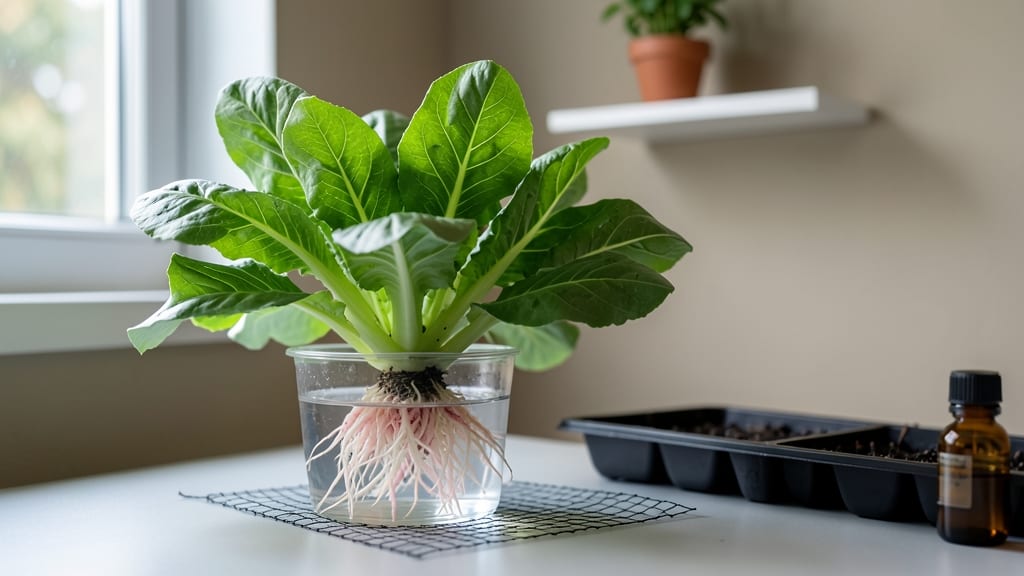
💥 Quick Answer When you grow plants in water instead of soil, it's called hydroponics—a method where roots thrive in nutrient-rich water solutions, delivering faster growth and higher yields without traditional soil…
💥 Quick Answer Water apple refers to the tropical fruit Syzygium aquaticum , celebrated for its juicy, crisp flesh that blends apple-like sweetness with a pear's refreshing crunch. This vibrant fruit thrives in…
💥 Quick Answer To kill mosquitoes in water, use natural predators like gambusia fish (mosquito fish) , dragonfly larvae , or water lilies , which break their breeding cycle while keeping ecosystems balanced. Natural…
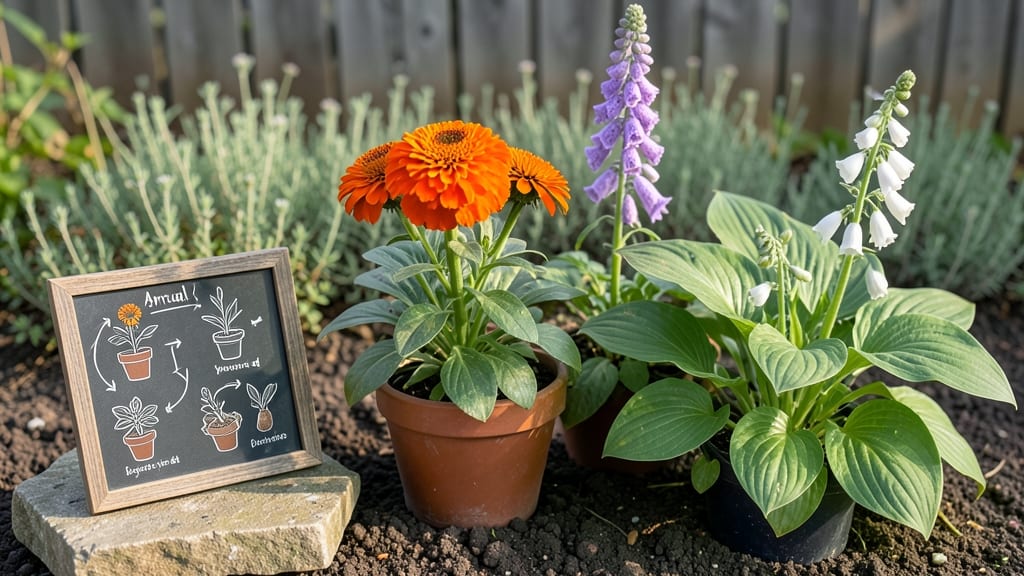
💥 Quick Answer The difference between annual, biennial, and perennial plants lies in their growth cycles: annuals live just one season, biennials take two years to flower and set seed, and perennials return year after…
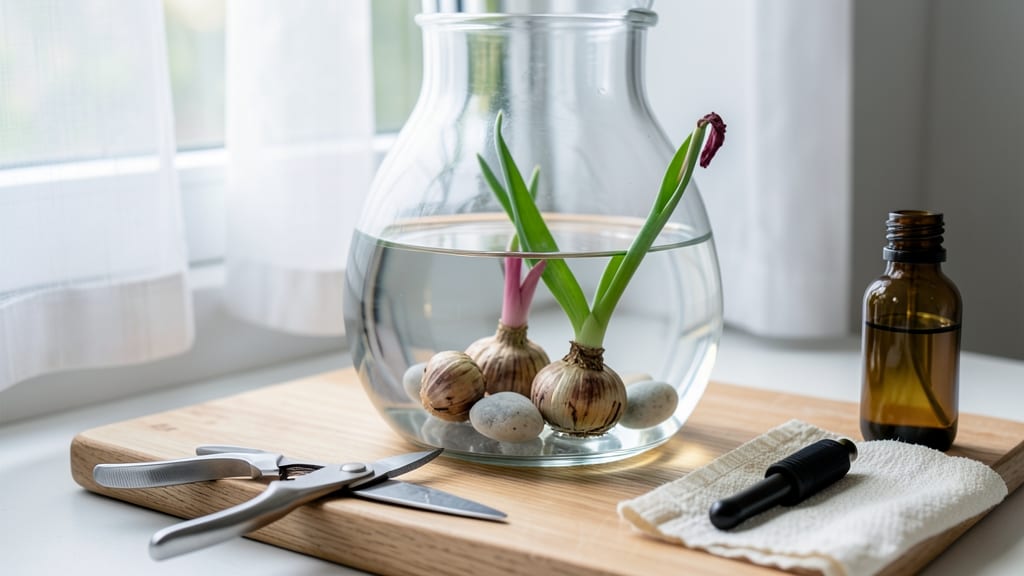
💥 Quick Answer After tulip bulbs flower in water, let the foliage yellow naturally before removing it, then plant bulbs in well-draining soil with 6-8 inches of depth. Fertilize lightly and water moderately to encourage…
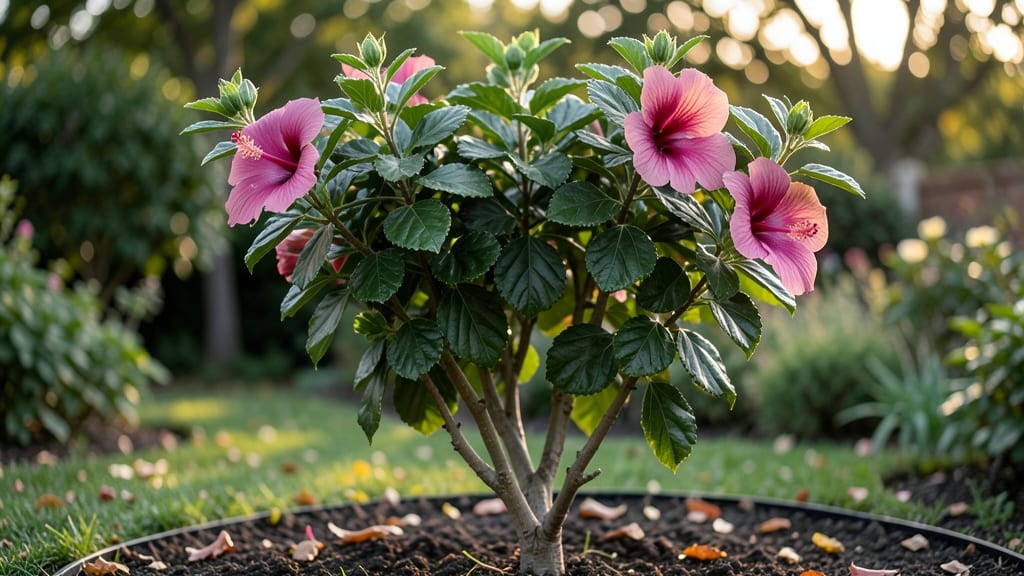
💥 Quick Answer Perennial hibiscus come back in spring when soil temperatures hit 50–60°F (10–15°C) after frost. Warm regions (Zones 8–11) see shoots emerge by February–March , while colder areas (Zones 5–7) typically…
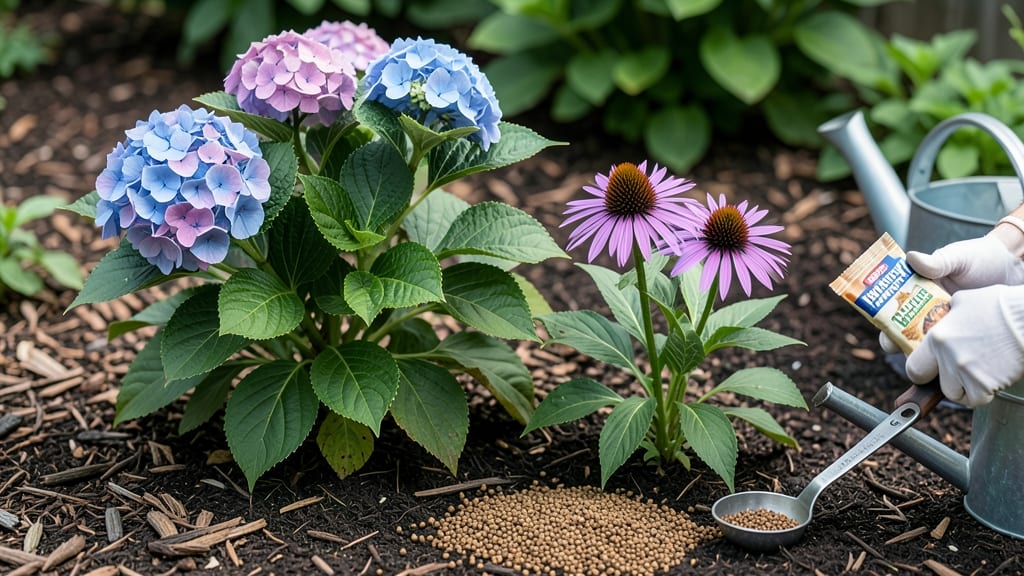
💥 Quick Answer To fertilize perennials and shrubs at the right time, apply fertilizer in early spring as new growth emerges, then add a second dose mid-summer for flowering plants. Stop fertilizing by late summer to…
💥 Quick Answer Orange watermelon comes from Southern Africa, where wild varieties thrived over 4,000 years ago before spreading to Egypt and beyond. Its sweet, deep-red flesh evolved through selective breeding for…
💥 Quick Answer Plants that like bottom watering include pothos, peace lilies, and snake plants, as they absorb moisture gradually through their roots without needing frequent top-watering. This method helps prevent…
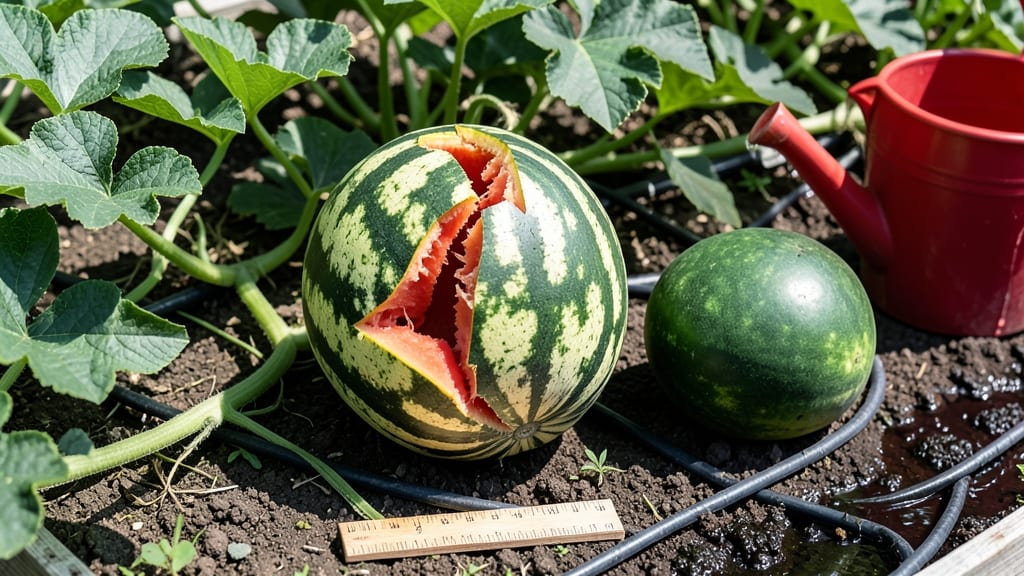
💥 Quick Answer Your watermelon split because of uneven moisture stress—either from inconsistent watering or sudden heavy rain after dry soil conditions. This causes rapid fruit expansion that the vine can't contain…