
Orchid Care
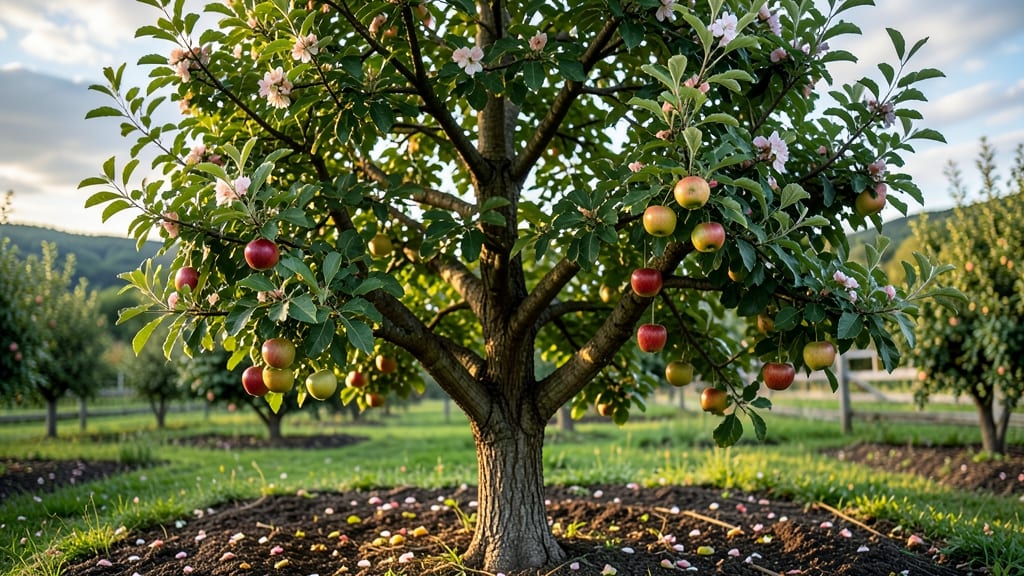
Water apple refers to the tropical fruit Syzygium aquaticum, celebrated for its juicy, crisp flesh that blends apple-like sweetness with a pear's refreshing crunch. This vibrant fruit thrives in Southeast Asia and Caribbean climates, where its high water content and delicate flavor make it a summer favorite.
This tropical delight belongs to the myrtle family, sharing its botanical roots with guava and jaboticaba—but its milder, sweeter profile sets it apart. 🌿 The fruit's name comes from its exceptionally high moisture content, often exceeding 80%, which gives it that signature hydrating bite.
You'll typically find water apple in markets as small, round fruits with glossy pink or red skin, though some varieties develop yellow or purple hues when ripe.
What makes it unique isn't just the taste, but its versatility. While commonly eaten fresh, water apple also shines in smoothies, desserts, or even savory dishes that need a bright, citrusy contrast.
The tree itself is equally impressive, growing up to 30 feet tall in ideal conditions, with glossy leaves that add to its ornamental appeal in tropical landscapes.
💡 In This Article
- Identifying Water Apple Trees and Fruit Characteristics
- Growing Water Apple: Soil, Climate, and Care Tips
Identifying water apple trees and fruit characteristics
The water apple tree (Syzygium aquaticum) is a medium-sized evergreen that typically reaches 15-30 feet in height, though dwarf varieties can stay under 10 feet with proper pruning.
Its leaves are elliptical with smooth edges, measuring about 2-4 inches long, and emit a faint citrusy aroma when crushed—a key identifier that distinguishes it from related myrtle fruits like guava or jaboticaba.
The bark is smooth and grayish when young but develops a rougher texture as the tree matures.
The fruit itself is the star of the show, with a glossy skin that transitions from green to pink, red, or even purple as it ripens.
When sliced open, the flesh reveals a striking contrast: a crisp, translucent white or pale pink interior surrounding a single large, dark brown seed (about 1 inch in diameter). The texture is uniquely firm yet juicy, with a water content that can exceed 80%—hence the name.
Unlike guava's grainy texture or jaboticaba's grape-like clusters, water apple's flesh is uniformly smooth and slightly fibrous, similar to a cross between a pear and a cucumber.
What sets water apple apart botanically is its growth pattern. The tree produces fruit year-round in tropical climates, with peak harvests during the wet season when temperatures hover around 75-85°F. Flowers appear in small clusters, and fruit takes about 3-4 months to mature.
The tree's shallow root system makes it sensitive to drought, which is why it thrives in well-drained soils with consistent moisture—unlike its drought-tolerant cousin, the jaboticaba, which can survive in poorer soil conditions.
One common point of confusion is distinguishing water apple from its close relative, the mountain apple (Syzygium malaccense).
While both belong to the same genus, water apple has a rounder shape and a thicker, juicier flesh, whereas mountain apple tends to be more elongated with a firmer, less hydrating texture.
The skin color also differs—water apple's pink/red hues are more vibrant than mountain apple's typically yellow or green tones.
For those growing water apple trees, the fruit's appearance changes dramatically as it ripens. Immature fruits are hard and sour, but as they soften, their sugar content rises while acidity drops.
The perfect eating stage is when the skin yields slightly to gentle pressure and the flesh exudes a faint floral aroma. 🌸 This sensory cue is your best indicator that the fruit is ready to enjoy.
In tropical regions, water apple trees are often grown as both food sources and ornamental plants. Their glossy foliage and colorful fruits make them popular in home gardens, while their ability to attract pollinators adds ecological value.
The tree's adaptability to container growing also makes it an excellent choice for urban gardeners with limited space.
When shopping for water apple fruit, look for specimens with firm but slightly yielding skin and a fresh, clean scent. Avoid fruits with soft spots or wrinkled skin, as these indicate overripeness or spoilage.
The seed-to-flesh ratio is another key factor—high-quality water apples will have a generous amount of juicy flesh relative to the seed size.