
Flowers
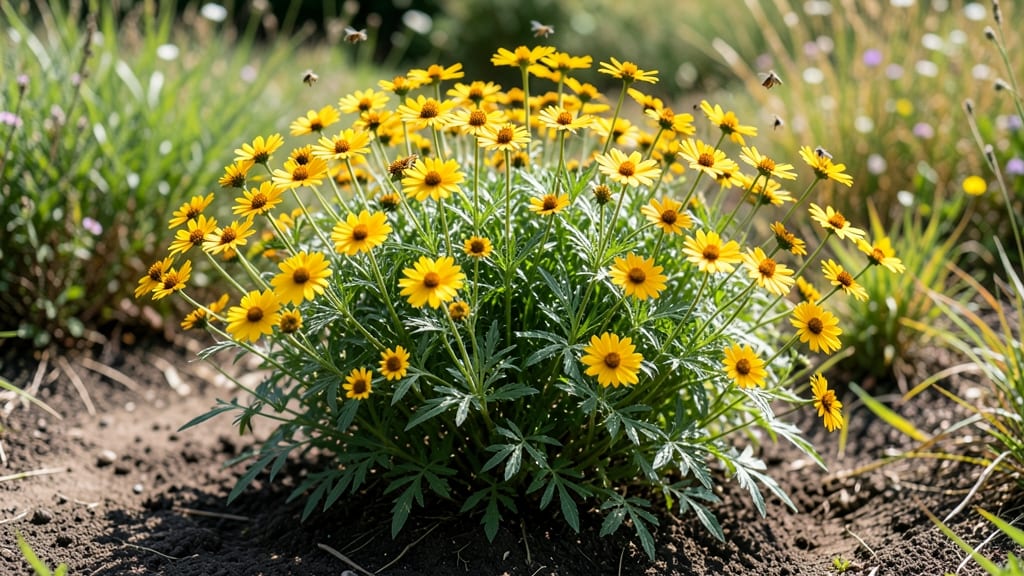
Perennial small yellow flowers thrive year-round in cold climates with varieties like coreopsis, black-eyed Susan, and golden marguerite, offering low-maintenance beauty and pollinator appeal. Choose hardy species for frost resistance and long blooming seasons.
These cheerful blooms pack a secret weapon: their deep root systems and sturdy stems that resist winter's harshest winds. 🌱 Many can handle Zone 3-5 temperatures, making them perfect for northern gardens where other flowers wilt.
I've seen coreopsis bounce back from -20°F winters with barely a scratch, while black-eyed Susans often return even after heavy snowfall. The key is selecting varieties bred for cold resilience—like 'Moonbeam' coreopsis—which stay compact and dense to trap heat near the soil.
What makes them especially appealing is their dual purpose: they feed pollinators while requiring minimal attention. Most need only occasional watering once established, and their self-cleaning blooms reduce deadheading chores. For shade gardens, try golden ragwort or butterfly weed, while sun-lovers adore shasta daisies and daylilies.
The trade-off? Some may need winter mulch in extreme climates—but the trade-off is worth it for their 4-6 week blooming windows that brighten gray days.
💡 In This Article
- Why These Yellow Perennials Survive Winter
- Best Low-Maintenance Yellow Perennials for Shade and Sun
Why these yellow perennials survive winter
The secret to these yellow perennials' winter hardiness lies in their botanical architecture. Many develop woody stems at their base that act like natural insulation, protecting the crown from freezing temperatures.
For example, coreopsis varieties like 'Moonbeam' grow 12-18 inches tall with stems that harden like small trees, while black-eyed Susans (Rudbeckia) develop thick, fleshy roots that store energy for regrowth. These adaptations allow them to survive Zone 3-5 winters where temperatures can drop to -30°F.
Deep root systems are another critical factor. Most of these perennials send roots 12-24 inches deep, accessing moisture and heat from lower soil layers. This is why they often thrive in average garden soil without needing rich amendments.
The roots also produce antifreeze-like compounds that prevent cellular damage during frost. 🌱 What's fascinating is how their growth patterns shift with seasons—many go dormant above ground in winter but maintain active root systems that resume growth as soon as temperatures rise above 40°F.
Color plays a surprising role too. The bright yellow pigments contain carotenoids that act as natural sunscreen, protecting leaf tissues from winter sun damage. This is why you'll see many varieties develop deeper green foliage in cold months—they're essentially hardening their protective layers.
The trade-off? Some may appear less vibrant in early spring until they've had 6-8 weeks of consistent warmth to rebuild their energy reserves.
Not all yellow perennials are equally cold-tolerant, though. While coreopsis and black-eyed Susans handle frost beautifully, varieties like golden marguerite (Anthemis tinctoria) prefer Zone 4-8 and may need winter protection in colder regions.
The key difference lies in their leaf structure—hardier varieties have smaller, more compact leaves that lose less moisture during winter winds. For example, 'Indian Blanket' coreopsis has 1-inch-wide flowers on stems that stay upright even under 10-15 mph winds.
What most gardeners don't realize is how mulching affects these plants' survival. A 3-4 inch layer of straw or shredded leaves placed in late fall creates a thermal blanket that can raise soil temperatures by 5-10°F during freeze-thaw cycles.
This is particularly important for varieties like daylilies, which have more delicate crowns. The mulch also prevents soil heaving—a common issue in freeze-thaw cycles that can uproot shallow-rooted perennials.
Seasonal growth patterns reveal another survival strategy. Many of these perennials follow a biennial-like cycle where they focus on root and stem development in their first year, then produce flowers in the second.
This two-year maturation process builds resilience against winter stress. For instance, shasta daisies often take 18-24 months to reach full bloom potential, but once established, they can live for decades with minimal care.