
Companion Plants
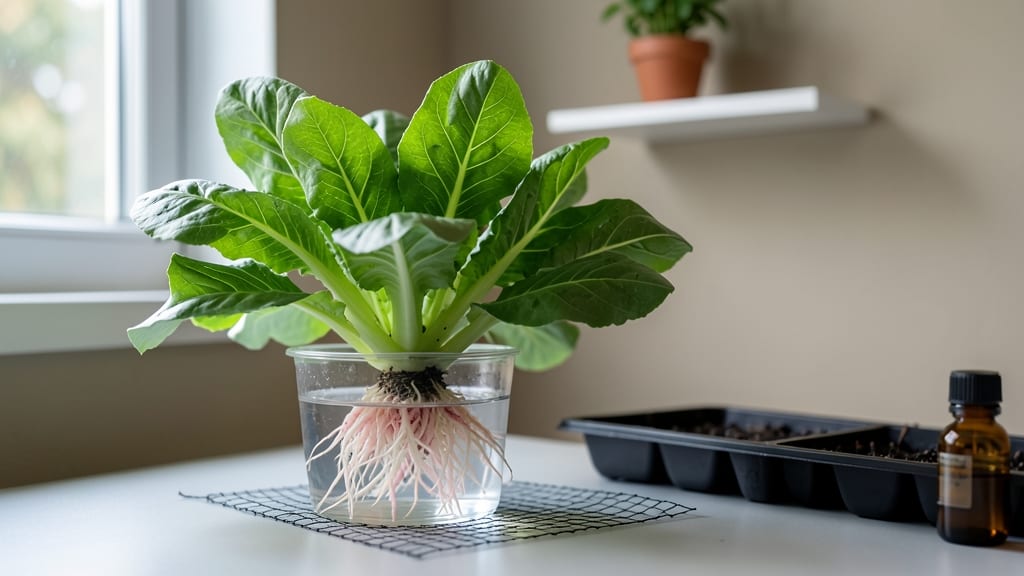
When you grow plants in water instead of soil, it's called hydroponics—a method where roots thrive in nutrient-rich water solutions, delivering faster growth and higher yields without traditional soil.
This soil-free approach isn't just innovative—it's rooted in science. 🌱 By eliminating soil, hydroponics gives plants direct access to dissolved nutrients and oxygen, which accelerates growth by up to 20% compared to soil cultivation.
Many gardeners start with simple systems like the Kratky method, where plants grow in inert media (like coconut coir) with their roots submerged in nutrient solution.
The beauty of hydroponics lies in its precision: you control every variable from pH levels to light exposure, making it ideal for small spaces or urban gardens.
What's fascinating is how adaptable this method is. Leafy greens like lettuce and herbs such as basil thrive in hydroponic setups, while fruiting plants like strawberries benefit from the consistent moisture and nutrient delivery.
For beginners, starting with a Dutch bucket system—a simple reservoir with net pots—can be a game-changer, especially in areas where space or soil quality is limited.
💡 In This Article
- How Hydroponic Systems Work for Water-Based Plant Growth
- Best Plants for Hydroponic Gardening and Setup Tips
How hydroponic systems work for water-based plant growth
At its core, hydroponics replaces soil with a nutrient-rich water solution that directly feeds plant roots. This method leverages the fact that plants absorb water and dissolved minerals through their root hairs—just like they would in soil, but with far greater efficiency.
In traditional soil gardening, only about 10-30% of nutrients actually reach the roots, while the rest get locked in the soil matrix or lost to leaching. Hydroponics eliminates this waste by delivering precise nutrient concentrations (measured in parts per million, or ppm) right to the roots.
The magic happens in the root zone, where oxygen plays a critical role. Unlike soil, which naturally contains air pockets, water is dense and can suffocate roots if not properly aerated.
That's why hydroponic systems use different oxygenation methods like deep water culture (DWC), where plants sit in oxygenated nutrient solution, or aeroponics, which mists roots with nutrient solution while keeping them exposed to air.
This dual delivery of water and oxygen creates an ideal environment for root growth, allowing plants to develop up to 50% more root mass than soil-grown counterparts.
Consider how hydroponics changes the game for plant physiology. Without soil's resistance, roots grow faster and stronger, seeking out nutrients in the water column. This accelerated growth translates to quicker harvests—leafy greens like lettuce can mature in just 21-30 days compared to 45-60 days in soil.
The system also maintains consistent moisture levels, preventing the stress of drought or overwatering that plagues traditional gardens. For example, herbs like basil thrive in hydroponics because they love moisture but hate soggy soil—a perfect match for water-based cultivation.
What most gardeners don't realize is how hydroponics transforms nutrient uptake.
In soil, plants must work to break down organic matter into usable forms, but hydroponic solutions provide nutrients in their most bioavailable states—think of it like giving your plants a vitamin IV instead of waiting for them to digest a meal.
The pH of the solution (typically 5.5-6.5) is carefully monitored because even slight deviations can lock out essential nutrients like nitrogen or phosphorus, stunting growth. This precision is why hydroponic setups often yield plants that are not just bigger, but also more flavorful and nutrient-dense.
Let's talk about the physical setup for a moment. Most beginner systems use inert growing media like clay pebbles, rockwool, or coconut coir to anchor plants while allowing roots to access the nutrient solution. The media doesn't provide nutrients—it just holds the plant steady while roots explore the water.
Advanced systems might incorporate recirculating pumps to keep the solution oxygenated and evenly distributed, while others use passive methods like air stones to create bubbles. The choice depends on your plants' needs—fast-growing lettuce might thrive in a simple DWC bucket, while tomatoes need more complex nutrient management.
One fascinating aspect is how hydroponics changes the plant's relationship with light. Without soil to anchor them, plants become more dependent on their stems for support, which often leads to thicker, stronger stems—perfect for vertical gardening.
Many hydroponic setups use LED grow lights that emit specific wavelengths (like blue light for vegetative growth and red light for flowering), giving you even more control over the growing process. This light precision is why hydroponic gardens can produce harvests year-round, regardless of outdoor seasons.
For those curious about the science, think of hydroponics as a controlled ecosystem where every variable is optimized. The roots' rapid growth creates a larger surface area for nutrient absorption, while the absence of soil-borne diseases means fewer pests and pathogens.
It's no wonder this method is revolutionizing urban farming and small-space gardening—where every inch counts and efficiency is key. 🌱