I’ve been obsessed with plants since I was a kid, sneaking seeds from my mom’s garden to grow in old tin cans by the back porch. There’s something about watching something small turn into something alive that never gets old. This site is where I share the lessons I’ve learned—from the triumphs (that first tomato!) to the disasters (the time the squash vines took over the whole yard). I aim to make gardening approachable, whether you’re a beginner with a windowsill or a veteran with a full plot.
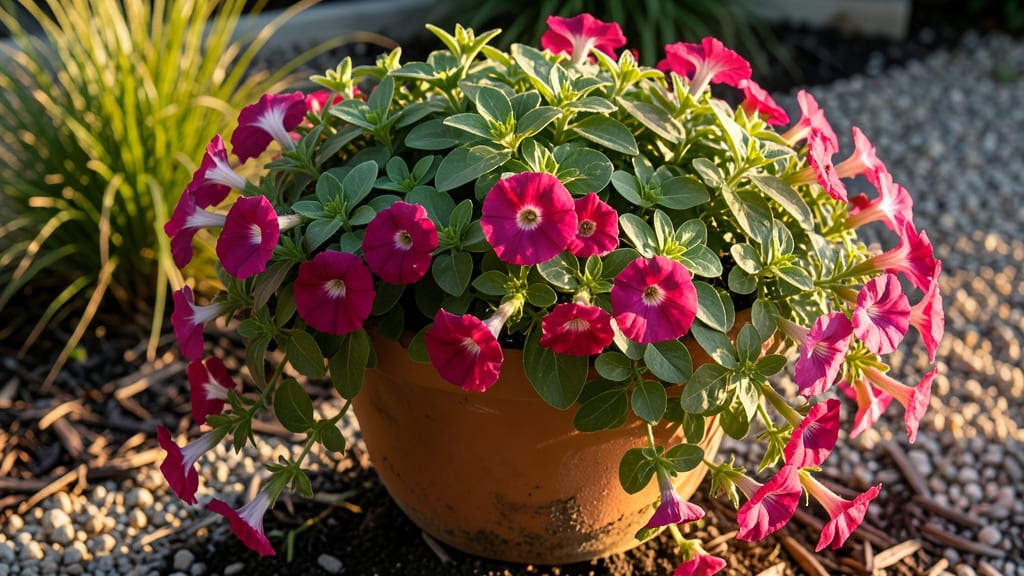
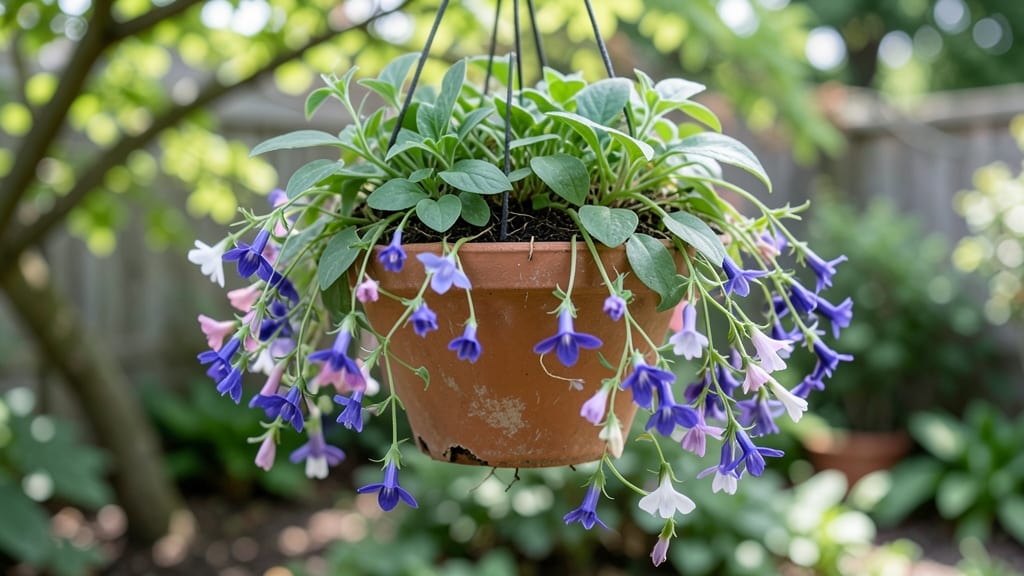
💥 Quick Answer Determining whether wave petunias are annuals or perennials depends on your climate: they act as annuals in most regions, dying back after frost but often self-seeding prolifically. In warm zones (USDA…
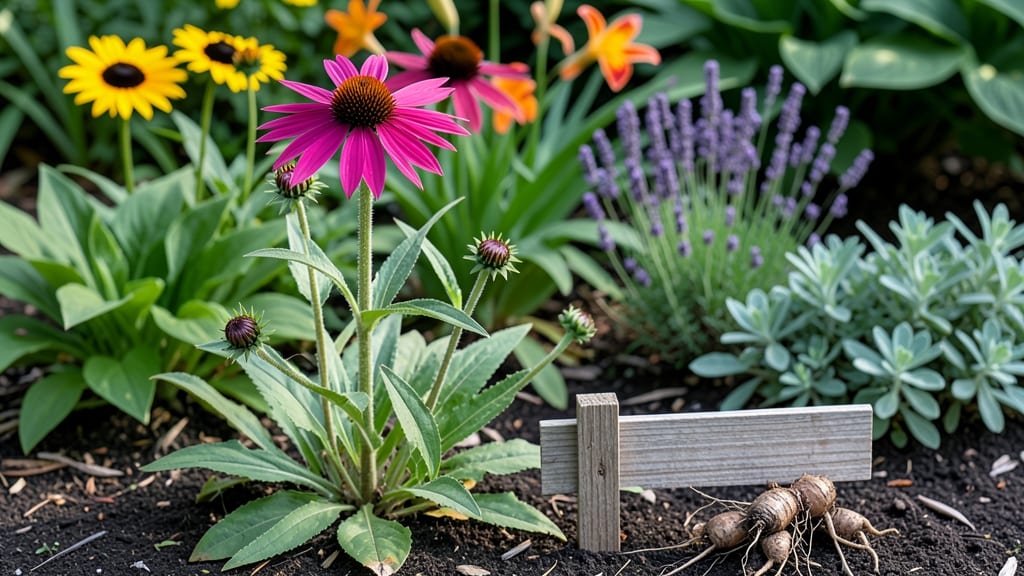
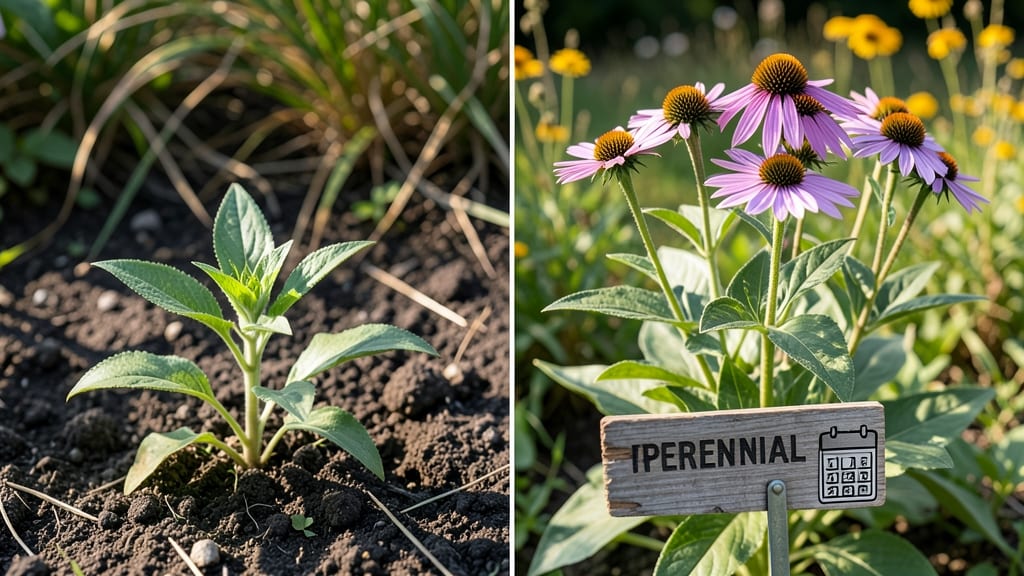
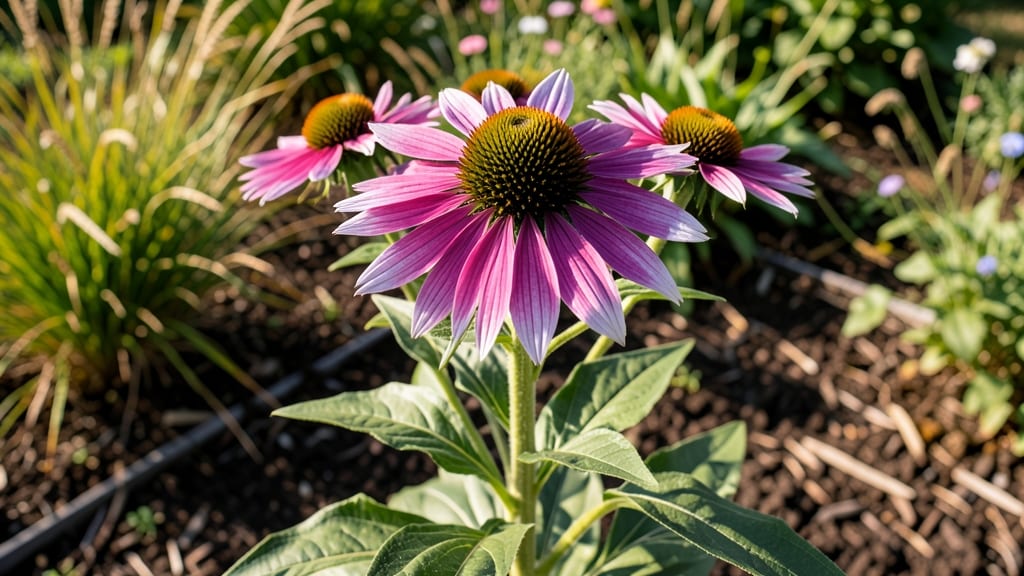
💥 Quick Answer Perennials are plants that return every year from the same root system, producing flowers and foliage annually without needing to be replanted, unlike annuals that live only one season. These hardy plants…
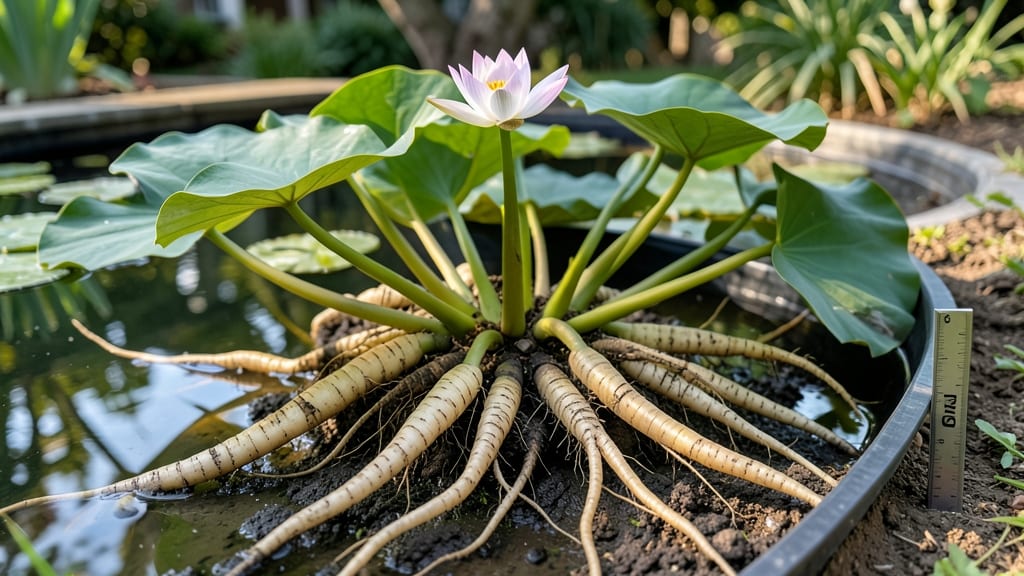
💥 Quick Answer Water lily roots look like thick, knobby tubers or elongated, fibrous rhizomes, depending on the species. Hardy water lilies develop gnarled, potato-like tubers, while tropical varieties produce smooth…
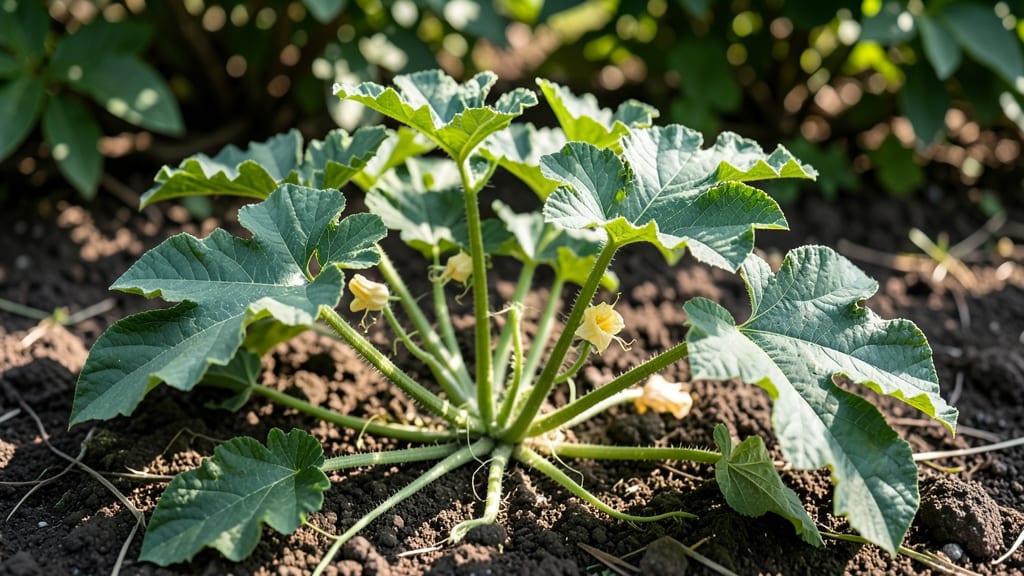
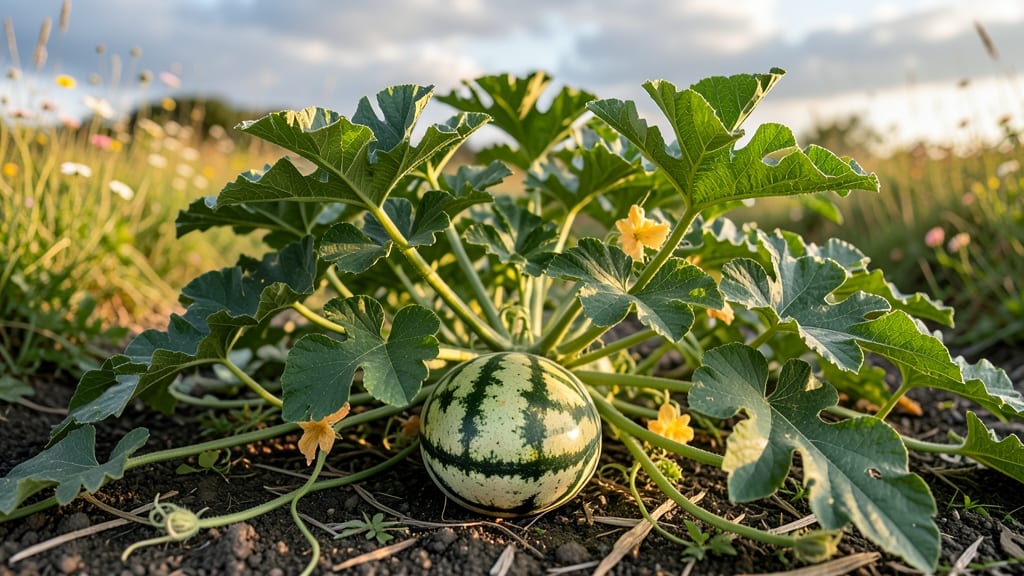
💥 Quick Answer Young watermelon plants look like tender vines with fuzzy, round leaves that have scalloped edges and prominent veins, sprouting their first true leaves just above the soil line. These seedlings grow…
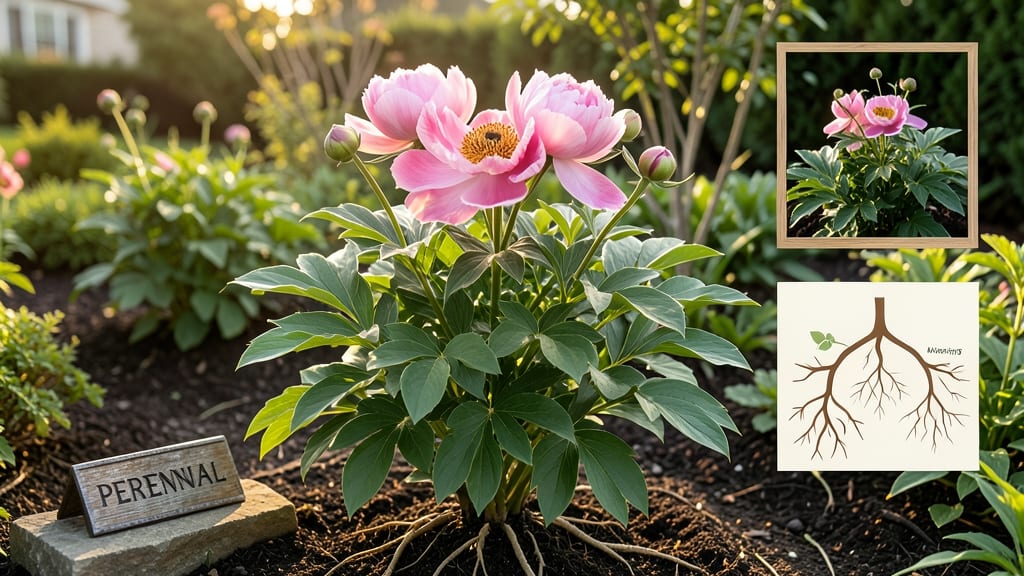
💥 Quick Answer When you hear "perennial," it means a plant lives for more than two years, coming back stronger each season from its roots or underground stems—unlike annuals that live just one year. This survival…
💥 Quick Answer Perennial plants mean they regrow from the same root system year after year, surviving winter dormancy or seasonal changes to bloom again without replanting, unlike annuals that complete their life cycle…
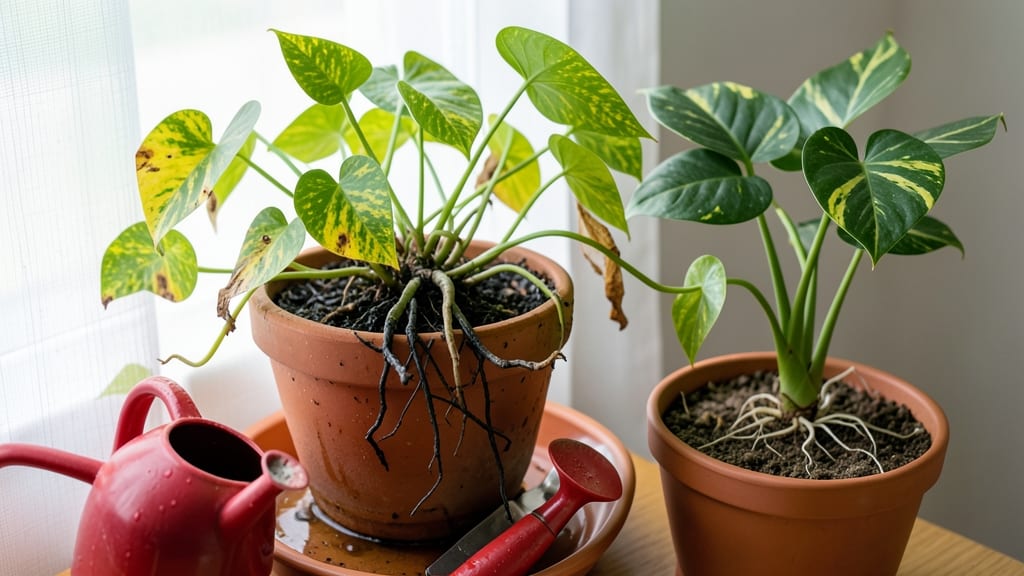
💥 Quick Answer What happens when a plant is overwatered causes its roots to suffocate from oxygen deprivation, triggering root rot, yellowing leaves, and drooping despite wet soil. This creates ideal conditions for…
💥 Quick Answer A perennial plant is a flowering or non-flowering species that lives for more than two years, regrowing from the same root system annually after dying back in winter or dormancy periods. Unlike annuals or…
💥 Quick Answer Trailing perennials are plants that spread horizontally along the ground or climb upward, returning year after year without replanting thanks to their strong root systems and aggressive growth patterns…
💥 Quick Answer A watermelon light refers to the ideal sunlight exposure—10 to 12 hours of direct sunlight daily—that watermelons need for optimal growth, sweeter fruit, and stronger vines. Proper light prevents bitter…