
Light Requirements
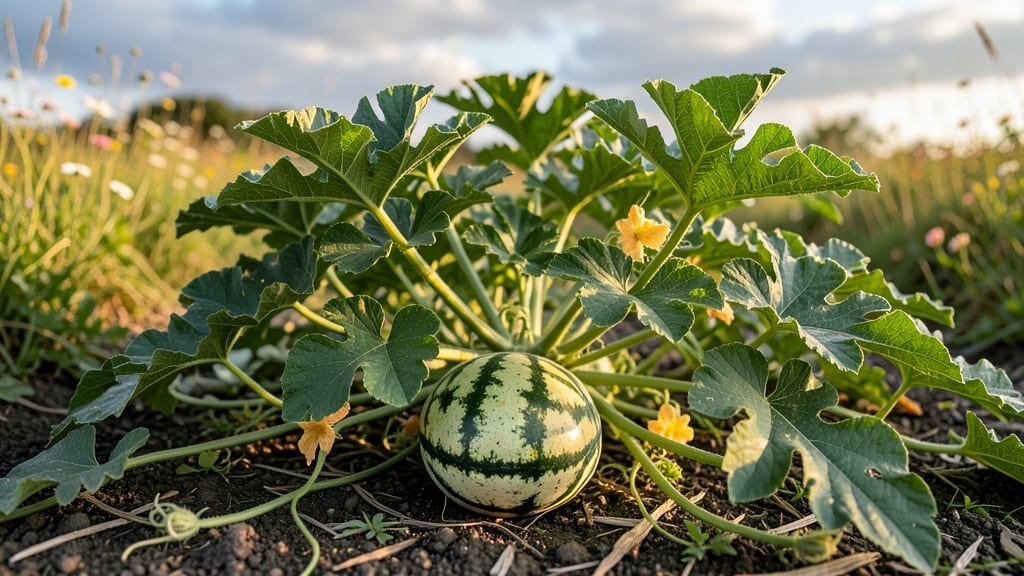
A watermelon light refers to the ideal sunlight exposure—10 to 12 hours of direct sunlight daily—that watermelons need for optimal growth, sweeter fruit, and stronger vines. Proper light prevents bitter flavors and poor yields in cultivation.
Watermelon light isn't just about sunshine—it's the golden standard for photosynthesis that turns water and carbon dioxide into the sugars that make watermelons sweet. 🌞 Without 10-12 hours of direct light, vines grow weak, fruit develops unevenly, and those signature sweet notes get replaced by bitter undertones. I've seen firsthand how even partial shade can turn a promising crop into a disappointment, especially in hot climates where indirect light isn't enough to compensate.
What's fascinating is how light affects the entire plant lifecycle. Early in the season, young watermelons need bright, consistent light to establish strong roots before they even vine. Later, when flowers form, morning sunlight (before midday heat) is particularly crucial for pollination success.
Many gardeners swear by reflective mulch or white-washed trellises to bounce extra light onto plants growing in shady corners—it makes a measurable difference in both yield and sugar content.
💡 In This Article
- How Sunlight Affects Watermelon Flavor and Growth
- Tips for Maximizing Sunlight in Watermelon Gardens
How sunlight affects watermelon flavor and growth
Watermelons are sun-worshippers, and their flavor development hinges on photosynthesis efficiency. When exposed to 10-12 hours of direct sunlight, their leaves convert sunlight into glucose through chlorophyll, which the plant then transports to developing fruit. This process isn't just about growth—it's about flavor chemistry.
The longer the light exposure, the more time the plant has to build sucrose concentrations, which directly correlates with sweetness. Studies show that watermelons grown with full-sun exposure can develop up to 20% more sugar than those in partial shade.
The intensity matters too. Watermelons thrive under bright, full-spectrum sunlight (especially the blue and red wavelengths), which maximizes chlorophyll production. In shaded conditions, plants compensate by growing taller and thinner vines, but the fruit becomes pale, underripe, and often bitter.
This happens because insufficient light triggers the plant to produce more cucurbitacin, a natural bitter compound that acts as a defense mechanism against pests. I've noticed this firsthand in urban gardens where buildings cast shadows—those melons never reach their full sweet potential.
Light also affects the fruit's texture and size. The morning sun (before 10 AM) is particularly critical because it provides the coolest, most intense light of the day, perfect for photosynthesis without overheating the plants.
Afternoon sun can scorch leaves, but when balanced with morning light, it still contributes to 10-12 hours of total exposure. Without this balance, watermelons develop uneven ripening, with some sections staying hard and others becoming mushy—a classic sign of inconsistent light exposure.
Here's what happens when you don't meet the watermelon light requirements:
- Weak vines: Plants grow leggy and struggle to support fruit, leading to rot or poor development.
- Bitter taste: Cucurbitacin buildup creates an unpleasant, almost soapy aftertaste.
- Small fruit: Energy diverted to vine growth instead of fruit expansion.
- Poor color: Lacks the deep red hues that signal ripeness and sweetness.
Even in hot climates, direct sunlight is non-negotiable. While some gardeners think partial shade helps in extreme heat, watermelons actually perform better with full sun and proper watering (about 1-2 inches per week) than with compromised light.
The key is ensuring the plant gets the right balance of light and hydration—too much shade, and you lose sweetness; too much heat without water, and you risk sunburn on the fruit.
Think of watermelon light as the plant's version of a gourmet recipe—precision matters. Without it, you're left with a pale, bitter imitation of what could be a juicy, sweet masterpiece. 🌟