
Planting
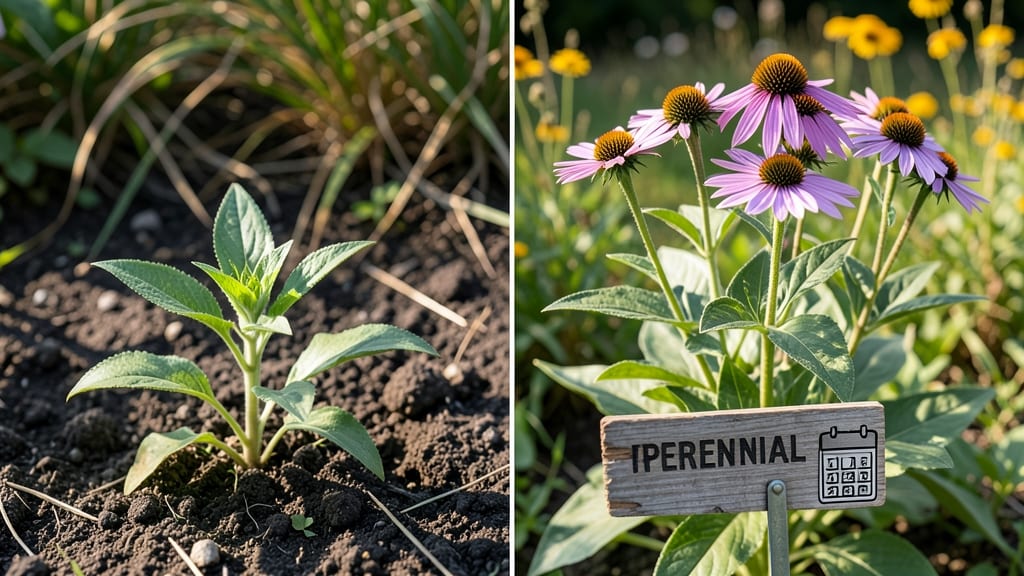
Perennial plants mean they regrow from the same root system year after year, surviving winter dormancy or seasonal changes to bloom again without replanting, unlike annuals that complete their life cycle in one season. Their hardiness and longevity make them ideal for low-maintenance gardens.
A perennial plant thrives because its roots stay alive underground even when above-ground growth dies back. 🌱 Unlike annuals that sprout, flower, and die in one season, perennials store energy in their root systems—whether through thick rhizomes, bulbs, or tubers—letting them push new shoots when conditions improve.
This built-in resilience means you plant them once and enjoy years of blooms with minimal effort, though some may need occasional division to prevent overcrowding.
Think of them as the garden equivalent of reliable friends: they may take a break during harsh winters or droughts but always return stronger. Popular examples include lavender, hostas, and coneflowers, which not only come back annually but often spread over time, creating lush, self-sustaining landscapes.
The trade-off? Some perennials bloom for shorter periods each year compared to annuals, but their long-term value in beauty and ecosystem support makes them worth the wait.
💡 In This Article
- How Perennial Plants Survive Through Seasons
- Choosing Perennials for Your Climate and Garden
How perennial plants survive through seasons
Perennial plants rely on specialized underground structures to store nutrients and energy, allowing them to persist through harsh conditions.
Unlike annuals that complete their entire life cycle in a single season, perennials develop roots that can survive freezing temperatures (as low as -30°F for hardy varieties) and drought by entering dormancy. These roots—whether rhizomes, tubers, or bulbs—act like natural batteries, storing carbohydrates and water until conditions improve.
The key difference lies in their root systems: rhizomes (like in irises) spread horizontally, tubers (such as dahlias) store starches, and bulbs (like tulips) hold nutrients in layered structures.
For example, peonies develop thick, woody roots that can live for decades, while daylilies use their rhizomes to regenerate quickly after winter. This underground resilience means perennials can bounce back even after above-ground growth dies back completely. 🌱
Dormancy is another critical survival strategy. During winter, perennials slow their metabolic processes, reducing water loss and energy expenditure. Some, like hostas, go nearly dormant, while others, such as lavender, maintain minimal growth.
This adaptation allows them to conserve energy until spring, when they resume growth from the same root system. The result? A garden that comes back year after year with minimal replanting.
Perennials also outcompete annuals in long-term sustainability. While annuals like marigolds or zinnias require replanting every year, perennials like coneflowers or black-eyed Susans spread over time, creating dense ground cover that suppresses weeds.
Their deep root systems also improve soil structure, reducing erosion and improving water retention. This makes them ideal for eco-friendly landscapes.
However, not all perennials thrive in every climate. Cold-hardy varieties like Russian sage (USDA zones 4-9) can survive harsh winters, while tropical perennials like elephant ears (zones 8-11) need protection from frost. Understanding these zones helps gardeners select plants that will reliably return each season.
The trade-off? Some perennials, like beard tongue, may take a few years to reach full bloom but reward patience with decades of growth. ✨
Consider the asparagus plant: it takes 2-3 years to establish its crown but can produce spears for 15+ years with proper care. This longevity contrasts sharply with annuals, which must be replanted annually, making perennials a cost-effective and sustainable choice for gardeners.
The initial investment in planting pays off in reduced labor and increased beauty over time.