
Flowers
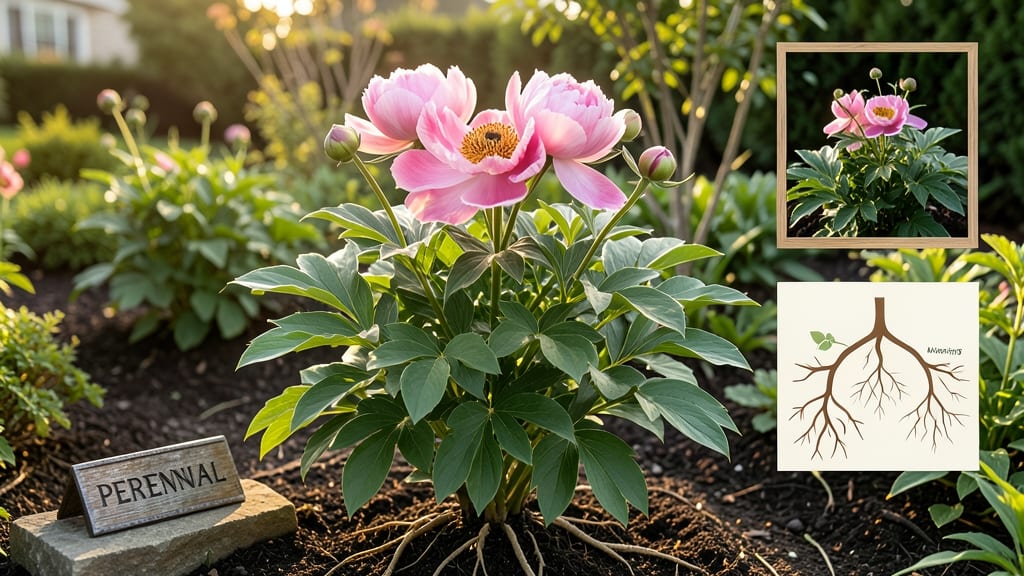
When you hear "perennial," it means a plant lives for more than two years, coming back stronger each season from its roots or underground stems—unlike annuals that live just one year.
This survival strategy is what makes perennials so popular in gardens. 🌱 Unlike annuals that sprout, bloom, and die in a single season, perennials store energy underground during winter dormancy, then burst back to life when temperatures rise.
Think of them as the marathon runners of the plant world—they might slow down in cold months but always return for another round.
For gardeners, this means less replanting and more consistent beauty. Many perennials like coneflowers or lavender spread over time, creating lush displays with minimal effort. The trade-off? Some take a year or two to fully establish, but once they do, they often outlast annuals by decades.
💡 In This Article
- How Perennial Plants Regrow After Winter Dormancy
- Best Perennial Plants for Gardens and Landscaping
How perennial plants regrow after winter dormancy
The secret to a perennial's survival lies in its underground storage systems. Unlike annuals that complete their life cycle above ground, perennials rely on specialized structures like rhizomes, tubers, bulbs, and corms to store nutrients and energy.
These structures act like natural batteries, converting sugars produced during the growing season into starches that fuel regrowth when conditions improve. For example, a peony rhizome can store enough energy to produce new shoots even after enduring -20°F winters.
During dormancy, perennials enter a state of metabolic slowdown triggered by shorter daylight and cooler temperatures. This process, called vernalization, primes the plant to flower in spring. The roots continue to absorb minimal moisture, while above-ground growth stops completely.
When temperatures rise above 50°F, hormonal signals kickstart new shoot formation from the stored energy reserves. This is why you'll often see perennials like hostas or daylilies emerge through snow—their roots have been preparing for months.
The regrowth process varies by plant type. Bulbous perennials like tulips regenerate from modified leaves called scales, while fibrous-rooted plants like black-eyed Susans rely on a dense network of shallow roots. Some perennials even produce stolons (horizontal stems) that create new plants at nodes, allowing them to spread aggressively.
This biological diversity means perennials can thrive in everything from Zone 3 (extreme cold) to Zone 10 (mild winters) with proper selection.
What makes this system so efficient is the plant's ability to prioritize energy storage. During peak summer growth, perennials allocate up to 50% of their photosynthate (sugars from photosynthesis) to underground storage, while annuals invest everything in rapid above-ground growth.
This energy reserve is what allows perennials to recover from frost damage, drought, or even herbivore attacks. For instance, asparagus crowns can regenerate from just a few inches of root left in the soil after being cut back.
Seasonal timing is critical too. Most perennials begin storing energy in early summer when days are longest, then enter dormancy by late fall when temperatures drop below 40°F. The transition period is delicate—too much moisture can cause rot in stored organs, while too little can starve the plant.
This is why gardeners often mulch perennials in late fall: a 3-4 inch layer of organic mulch insulates roots while retaining moisture, giving them the best chance to survive winter.
One fascinating adaptation is the ability of some perennials to anticipate seasonal changes. Plants like heuchera (coral bells) detect shortening daylight through specialized proteins called phytochromes, which trigger dormancy hormones weeks before frost arrives.
This biological clock ensures the plant doesn't get caught unprepared when winter hits. 🌿 The result? A garden that comes back year after year with minimal intervention from you.